



























Since we launched Rolling Stone New Zealand in 2022, Māori artists have increasingly come to the fore in Aotearoa New Zealand music.
MOKOTRON (2025) and Marlon Williams (2026) are the last two winners of the Taite Music Prize, the former winning for WAEREA, a pulsating ‘Māori Bass’ album, and the latter triumphing with Te Whare Tīwekaweka, his first fully te reo album.
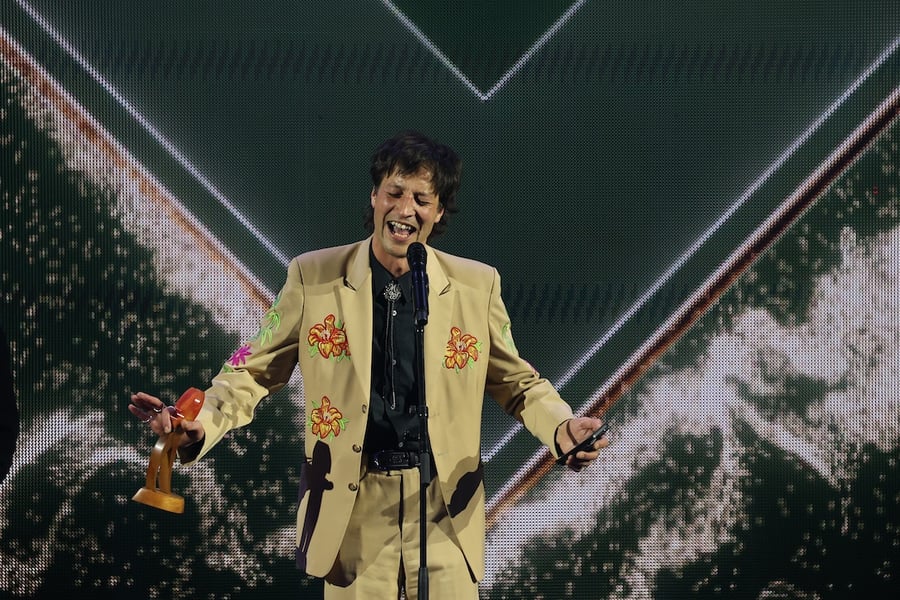
Williams swept this year’s Aotearoa Music Awards, too, winning Album of the Year and Single of the Year (“Aua Atu Ra”) and more gongs. Stan Walker, TAWAZ, MĀ, Te Wehi, and MOKOMOKAI also won big at the ceremony in May.
Two months from now, Greatsouth, Troy Kingi, MOKOTRON, MĀ, HOPE, and a whole lot more Māori artists will find out if they’ve won the prestigious APRA Silver Scroll Award | Kaitito Kaiaka.
The rise of Indigenous music in Aotearoa, however, has happened at the same time that Christopher Luxon’s Coalition Government has increasingly undermined te reo Māori.
Earlier this year, the Government prioritised English over te reo Māori in redesigned branding, giving greater prominence to the former language at the behest of Public Service Minister Paul Goldsmith. “New Zealand Government”, for example, was placed in bold above “Te Kāwanatanga o Aotearoa”, reversing the previous order.
Then last month, legislation passed recognising English as one of three official languages of Aotearoa, joining te reo Māori and New Zealand Sign Language.
Love Music?
Get your daily dose of everything happening in Australian/New Zealand music and globally.

It would be easy to dismiss these changes, taken at face value, as silly or insignificant, things not worth getting overly concerned about, but when it comes to language in a colonised land, they matter.
Just ask Tamatha Paul. In a fiery Parliament speech that made headlines around the world, the Green Party MP criticised the English language bill as “a pathetic waste of the responsibility of this house.” She reminded the House why te reo Māori required protected status in the first place, and used the example of Wales, where Cymraeg appears ahead of English on public signs.
As Dr. Sidney Wong, a linguist and post-doctoral fellow at research centre Te Pūnaha Matatini, told The Guardian, official language status is usually given to languages in need of protection, which definitely isn’t English in Aotearoa.
“The main reason why this bill was put in place was based on ideology – there was this perception that English was under threat, that it doesn’t have the prestige, and it needs that sort of legislative protection. But it doesn’t need that,” Dr. Wong said.
In this election year, you’re going to see a lot more Māori artists, whether they be established or just starting out, on Rolling Stone AU/NZ.
While we’ve frequently covered Māori music over the past four years, particularly mainstream crossover artists like Walker and Williams, and happily supported independent breakouts like Geneva AM and MOKOTRON, there’s always more we can do.
We’re going to include more te reo waiata in our weekly ANZ music roundups. We’re going to highlight Māori artists to our international readership in interview features and social media videos. We want to know about their te reo journeys, what their mother tongue means to them, and how they use it in their music.
While that’s all positive, we’re also going to find out the reality of being Māori in today’s Aotearoa music industry from the musicians themselves because, while the increased visibility of Māori music in awards season is a great thing, there’s plenty more work to be done in funding, radio, and beyond.
We’re launching the initiative this week with 18 features, led by Ani Ngawhika (Kāi Tahu, Ngāti Whakahemo), a young journalist, musician, and storyteller from Ōtepoti Dunedin, whose mahi centres on te ao Māori.
As she writes in one piece, “Te reo Māori doesn’t threaten English. It enriches Aotearoa. As Māori, we look back not to live in the past, but to carry the best of it into the future… The question is not whether te reo Māori deserves space. The question is why, after everything it has survived, some people still believe there’s only room for one language in the country we all now call home.”
Links to all of the launch features can be found at the bottom of this article.
We’re going big with this week’s launch as a celebration, but our goal is to seamlessly incorporate greater coverage of Māori music within our daily editorial; as Williams said during his Album of the Year speech at the Aotearoa Music Awards, “This is not Māori music having its day, this is just a day in Māori music.”
We hope that you’ll appreciate why we’re doing this.
Because perhaps you’re thinking that this article, and this initiative as a whole, seems silly or insignificant, but remember: all changes, both big and small, matter when it comes to language in a colonised land.
Conor Lochrie is the deputy editor of Rolling Stone AU/NZ. He grew up in Scotland and has been based in Aotearoa since 2022.
How Māori artists navigate between te reo and English
Māori artists on what needs to change in Aotearoa music
Tamatha Paul, te reo Māori and when a language needs to be protected
These Māori artists want to take te reo to the world
8 Māori artists you need to know

