



























Find out more about our Māori-language initiative here.
There is no single sound that defines Māori music today.
From hip-hop and soul to indie, electronic and pop, a new generation of Māori artists are embracing te ao Māori in ways that feel entirely their own.
Music has always played an important role in Māori culture. Long before streaming platforms and festival stages, waiata carried whakapapa, preserved history, and expressed collective emotion. They told stories of people and place, celebrated moments of joy, marked times of grief, and warned of danger.
Today, that same tradition continues, just through different sounds and different generations.
The past decade has seen Māori culture become increasingly visible across Aotearoa’s music scene. Artists such as Stan Walker and Maisey Rika helped bring te reo Māori to wider audiences, while kaupapa like Waiata Anthems encouraged some of the country’s biggest musicians to reinterpret their songs through a Māori lens. The project introduced new audiences to the language while showing te reo Māori could sit naturally across every genre.
That momentum has only continued to grow.
Love Music?
Get your daily dose of everything happening in Australian/New Zealand music and globally.

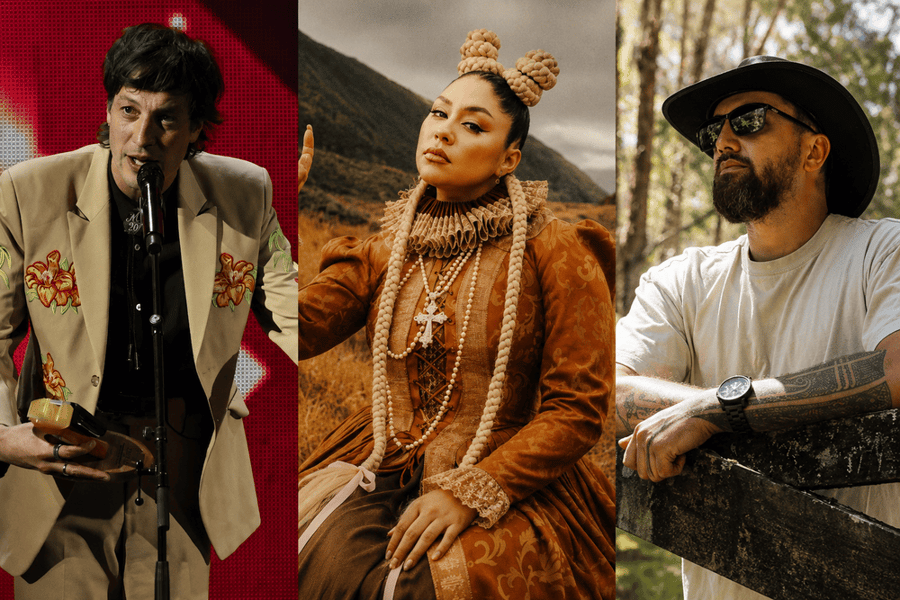
Within the past year alone, Māori artists have taken home some of Aotearoa’s biggest music honours. Marlon Williams won Album of the Year and Best Solo Artist. MĀ claimed Best Alternative Artist. MOKOMOKAI took home Best Hip Hop Artist, while Geneva AM‘s Pikipiki earned Best Independent Debut at the Taite Music Awards.
Whakatāne artist Te Wehi is another example. After at one stage holding six places in the Top 20 Aotearoa Singles Chart, he was named Breakthrough Artist of the Year at the 2026 Aotearoa Music Awards.
His debut album I’m Home blends reggae, soul, and country with a strong connection to whenua, reflecting the diversity of Māori music today.
Ōtautahi-born artist Theia has followed a similar path. Her award-winning reo Māori project TE KAAHU introduced many listeners to another side of her artistry before Girl, in a Savage World built on that foundation. Blending Māori instrumentation with alternative folk, art-rock, and pop, the album explores identity, whakapapa, and tino rangatiratanga through a distinctly contemporary lens.
The success goes well beyond awards.
Across Aotearoa, artists are continuing to build on that foundation in different ways. Rei, TEEKS, Casual Healing, KOMMI, Hasji, and Byllie-jean are each examples of Māori artists bringing their own perspective to the scene. Some centre te reo Māori; others draw on taonga pūoro, whakapapa, te taiao (the environment) or Indigenous collaboration. No two sound alike, but each reflects a different expression of te ao Māori.
Accepting Album of the Year for Te Whare Tīwekaweka, Marlon Williams captured the moment perfectly.
“This is not Māori music having its day, this is just a day in Māori music.”
His words reflect a much bigger shift. Māori artists are no longer proving their culture belongs in contemporary music. They’re simply creating from it and in doing so, they’re continuing a tradition that has always evolved while staying deeply connected to its roots.
With the passing of Matariki and the arrival of the new year in the Maramataka, it’s a time to reflect on the past while looking ahead to the future, something Māori artists continue to do through their music.
Every waiata and every new voice carries stories from the past while creating space for the future. As artists continue to weave te ao Māori through contemporary music in their own unique ways, they’re helping ensure the next generation has even more room to tell their own stories.
Ani Ngawhika (Kāi Tahu, Ngāti Whakahemo) is a journalist, musician, and storyteller from Ōtepoti, whose mahi centres on te ao Māori.

