




























In 2009, The Observer compared Empire of the Sun with MGMT, then asked of Luke Steele’s reinvention beyond the Sleepy Jackson: “at what price the second act?”
Seventeen years later, the Australian duo have sold out three shows at London’s Alexandra Palace and announced what promoter Frontier Touring calls their biggest Australian and New Zealand tour. The six dates in February and March 2027 follow more than 400,000 tickets sold worldwide since the current touring cycle began in 2024, according to Frontier.
For someone who found them amid the late-2000s indie-electro boom, Walking on a Dream can carry eighteen years of associations. Luke Steele has told WERS about younger listeners discovering Empire as though they were a new band. Some of the music that sounds like 2008 to one generation has barely started its life with another.
Empire’s endurance suggests that a band can remain recognisably itself while becoming detached from the circumstances that first made it fashionable. Their songs have found new routes to listeners, and the elaborate world around them has given the live act something to keep developing.
The pairing initially brought together two musicians with histories of their own: Steele from the Sleepy Jackson and Nick Littlemore from Pnau. Psychedelic pop met dance music. “Indie” described the cultural conversation around them more accurately than their business arrangements. The debut came through EMI.
One snapshot of that moment sits in Pitchfork contributor Tyler Grisham’s 2008 favourites, where “Walking on a Dream” appears alongside Cut Copy, Hot Chip and M83. Empire belonged in that listening company.
The contemporary Pitchfork review recognised the title track’s appeal while criticising the album’s excesses, including its fantastical cover. Empire were making an immediate impression, though the enthusiasm for their hooks did not necessarily extend to everything surrounding them.
Love Music?
Get your daily dose of everything happening in Australian/New Zealand music and globally.

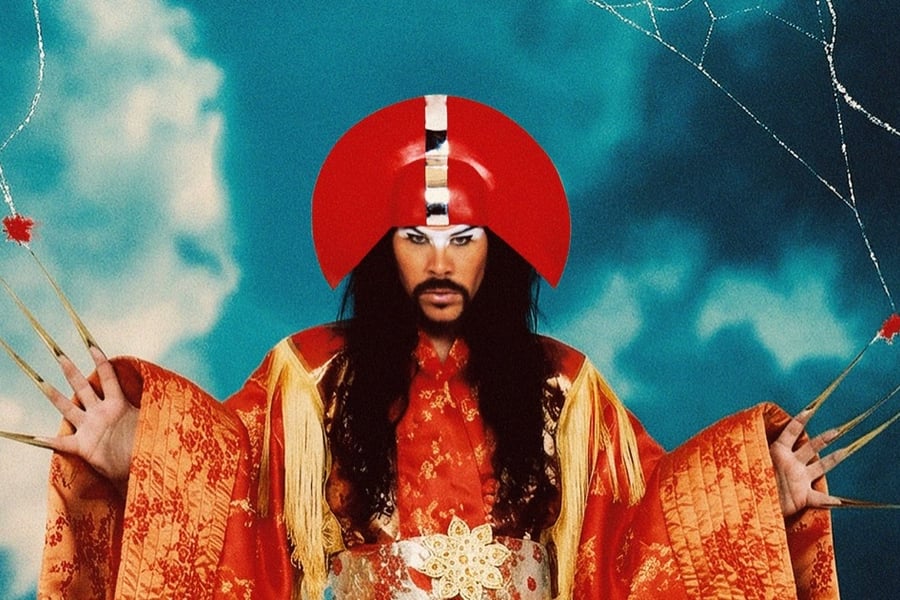
There was plenty to take in. The characters, costumes and elaborate imagery asked listeners to accept a whole imagined world alongside the music. Such a commitment carries a risk: the more specific the look, the easier it can be to date. A successful first appearance offers no guarantee that people will want to keep visiting.
Over time, though, the spectacle can become a familiar part of the act. An audience can know what kind of experience it is buying while still expecting the production to change.
Steele has described that visual commitment as fundamental. In a June interview with WERS’ Lindsay Gould, he cited Bowie and Prince as models: “The way you look and appear is half of the whole project, really.”
The songs still have to do the other half. One of the clearest examples of their durability arrived through a medium with little interest in the critical arguments of 2008: a car advertisement.
In 2016, Honda used “Walking on a Dream” in a Civic campaign. The song subsequently reached No. 65 on the US Billboard Hot 100, eight years after its original release, as Billboard documented.
That year, Empire released their third album, Two Vines. Yet their debut single was reaching a new measure of mainstream American success. The career and the audience were moving on different schedules.
For somebody encountering the song through an advertisement, its release date is incidental. They need no knowledge of the Sleepy Jackson, Pnau or the debut’s reception to decide they like it. The association that fixes a song to a particular moment for an existing fan may be completely absent for a new one.
“We Are the People” entered the Canadian Hot 100 at No. 96 on the chart dated May 17th, 2025. Billboard Canada reported that the entry followed a resurgence on TikTok. Another song from the debut was finding a chart audience almost seventeen years after release.
Advertising and social platforms had supplied fresh introductions to both songs. That complicates the assumption that interest in an established band must be driven by nostalgia. A listener hearing a song for the first time has nothing to remember.
For the musicians, however, a song that keeps finding new listeners can create its own difficulties. The audience’s latest discovery may be the track its writers have spent years trying to follow.
In Rolling Stone AU/NZ’s 2024 interview by Lars Brandle, Littlemore recalled the pressure that followed the debut’s success. “It was like trying to grip lava,” he said.
There were eight years between Two Vines and Ask That God. That interval contained other work and other lives, but making another Empire album required the collaborators to find their way back to the project.
Speaking to FLOOD’s Will Schube in July 2024, Steele described being exhausted as the pandemic arrived and abandoning the studio. When they returned, he said, “we reinstalled new software and rebuilt everything”. Littlemore described the renewed pleasure of working with Steele after time away.
A listener can discover a band, work through its catalogue and develop an attachment without knowing whether its members feel capable of making another record together.
The release of Ask That God in 2024 gave Empire new material to bring into that relationship. “Changes”, “Music on the Radio” and “Cherry Blossom” arrived alongside a renewed live cycle.
Steele told WERS that a larger creative team now helps him develop ideas and revise performances. In a June 2026 interview with Buzz’s Ellie Evans, he also described his involvement across recording, animation and graphic design.
A live production offers room to alter the experience of a familiar song. Its setting can change; the musicians can reconsider how it sits alongside newer material. For an act so invested in imagery, touring provides a continuing use for that imagination.
The three London sellouts provide a measure of that appeal. They cannot tell us precisely how discovery becomes devotion, but they establish an audience willing to buy tickets. At home, the new itinerary puts Sydney at Afterpay Arena and Perth at RAC Arena, following the Hordern Pavilion and Red Hill Auditorium on the 2024 Australian schedule.
The upcoming ‘Ask That God: Afterlife’ tour will bring that audience together across Australia and New Zealand. Frontier describes it as the final live instalment of this album’s cycle, with a reimagined production.
In an August interview with Rolling Stone AU/NZ’s Neil Griffiths, Littlemore said they had songs for a fifth album and tentatively suggested it could arrive within the following year. Work remained, but he credited touring with strengthening Steele’s voice.
For someone who has only just found “Walking on a Dream”, the next Empire of the Sun album could be the first one they wait for.
The ‘Ask That God: Afterlife’ tour plays Spark Arena, Auckland, on February 19th; Riverstage, Brisbane, February 21st; Afterpay Arena, Sydney, February 25th; Sidney Myer Music Bowl, Melbourne, February 27th; Adelaide Entertainment Centre, March 2nd; and RAC Arena, Perth, March 6th, 2027. Frontier Members presale begins September 16th, 2026, at 1pm local time. General tickets go on sale September 18th at 2pm local time through Frontier Touring.

