




























Aotearoa New Zealand has always been a country that punches well above its weight in the arts.
This country has given the world pop superstars as big as Lorde and BENEE, while the ‘Dunedin Sound’ was once the most acclaimed and admired indie rock scene anywhere. Katherine Mansfield and Janet Frame are still widely read, and Bruce Mason’s plays have been performed in theatres across the globe.
Cinema is no different, with Jane Campion, Sir Peter Jackson, and Taika Waititi counting amongst the most successful filmmakers of their respective generations.
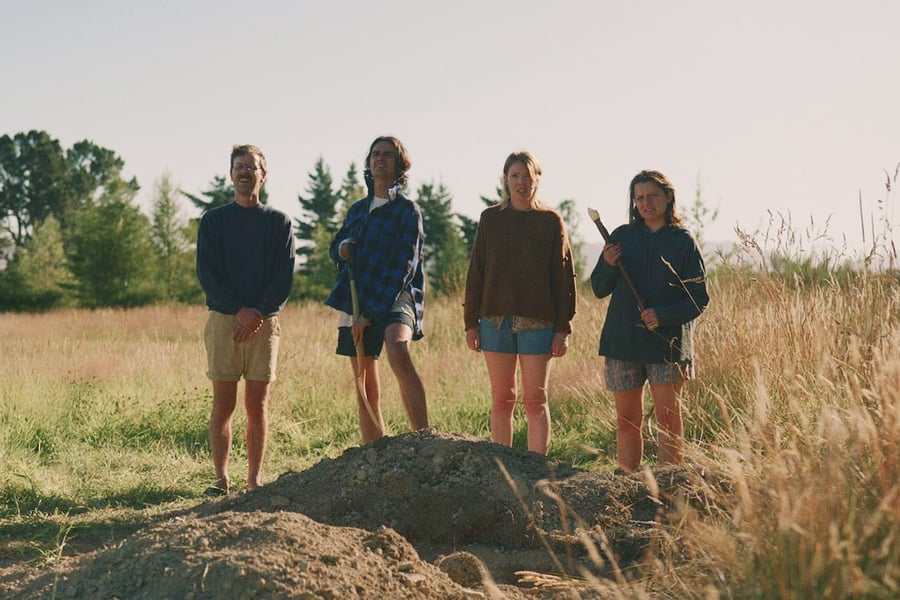
Over the past 12 months or so, a new generation of local filmmakers and films are gaining notice, from Paloma Schneideman’s Big Girls Don’t Cry debuting at SXSW and being praised by Kristen Stewart, to The Weed Eaters becoming a cult favourite, to Mārama earning rave reviews overseas.
Like our country’s musicians, who operate in an industry with little-to-no money (check out our Making Music, Making Ends Meet series to find out more about musicians during the cost-of-living crisis), these filmmakers are often up against it trying to get their art seen by as many people as possible. They have meagre budgets; they rely on their friends and independent film community for support; they attempt to access limited funding opportunities in a small industry.
Rolling Stone AU/NZ has been a staunch supporter of independent Aotearoa music over the last four years, and we thought it was time we offered the same platform to our country’s cinema.
In a new series from deputy editor Conor Lochrie, launching in the first week of New Zealand International Film Festival 2026, we celebrate the filmmakers defining this new generation, who are working in diverse genres and under different budget constraints, as well as look back at some of the most important Kiwi films of the 21st century so far.
Love Music?
Get your daily dose of everything happening in Australian/New Zealand music and globally.

Follow the series here.

