




























The NSW Government will commit $4.3 million to continue drug checking services at selected music festivals, following an independent evaluation that found the program reduced drug-related harm and changed how some festival goers approached taking illicit substances.
The program will begin from October, with NSW Health consulting with the music festival industry and harm reduction organisations to identify up to 15 festivals each year where the service will operate.
The decision follows a 12-month trial of free and anonymous drug checking at NSW festivals, including Yours and Owls, during which more than 1,800 people used the service and around 1,500 drug samples were tested.
An independent evaluation led by the University of Sydney found strong uptake among festivalgoers and an association between the service and fewer urgent drug-related hospital presentations and ICU admissions compared with previous years at the same festivals.
NSW Health Minister Ryan Park said the continuation of the program did not change the inherent risks associated with illicit drug use.
“Let me be clear, no level of illicit drug use is safe and drug checking services are not a silver bullet,” Park said. “There will always be risks involved when consuming these substances, and this initiative does not endorse drug use. Drug checking at music festivals can reduce harms associated with drug use, and it ultimately saves lives.”
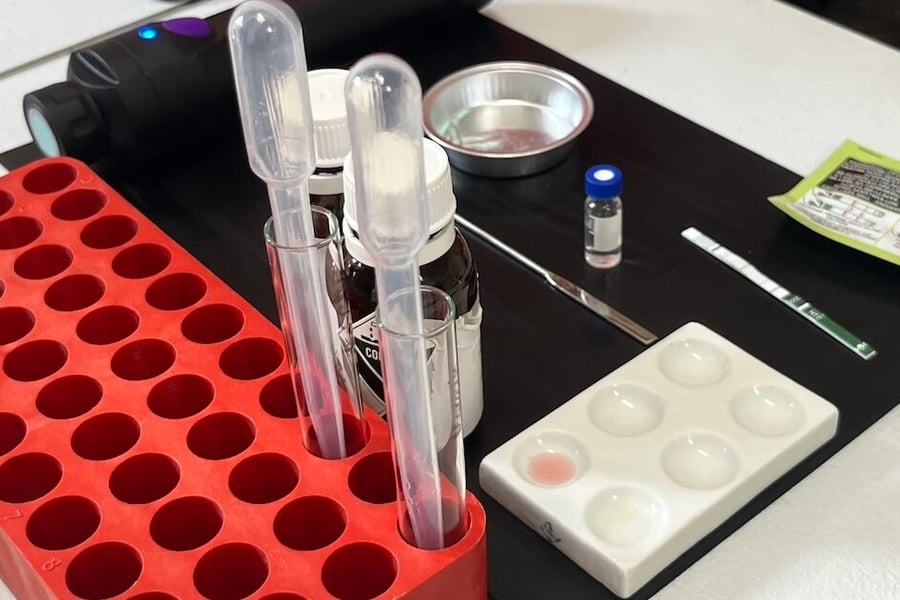
Under the program, festivalgoers will be able to voluntarily provide a small sample of a substance to chemists from NSW Health Pathology’s Forensic & Analytical Science Service, who will analyse it on site for factors including purity, potency and adulterants.
Love Music?
Get your daily dose of everything happening in Australian/New Zealand music and globally.

Results will then be explained by trained peer workers from harm reduction organisation NUAA, formerly the NSW Users and AIDS Association, alongside advice about reducing potential harms. Amnesty bins will also be available for people who choose to dispose of their drugs after receiving the results.
The evaluation found the service was particularly effective when testing showed a substance was different from what its owner believed they had purchased, with the information prompting some users to change their intended drug-taking behaviour.
It also found that most people who accessed drug checking had not previously engaged with health or harm reduction services, giving health workers an opportunity to speak with them about risks before substances were consumed.
Minister for Youth Rose Jackson said that connection was an important part of the program.
“The best way to keep young people safe is to listen to them, the expert evidence and respond with practical measures that reduce harm,” Jackson said. “Pill testing is a critical pathway for young people to connect with trained health workers, receive trusted advice and better understand the risks they may be taking.
“We want young people to enjoy live music and festivals safely, and this program is helping to do just that.”
Chief Health Officer Dr Kerry Chant said the service was designed to give festivalgoers information that could help them avoid particularly dangerous substances and make more informed decisions.
“Our priority is to reduce harm and keep people safe,” Chant said. “NSW Health is committed to working closely with festival organisers and harm reduction organisers to ensure the safe and effective implementation of drug checking services.”
Festivals selected for the program will be assessed according to factors associated with a higher risk of drug-related harm, including their size, type and location.
The permanent program marks a significant shift in the state’s approach to drug checking after years of debate over pill testing at Australian festivals.
“For years, Coalition members refused to consider drug testing at festivals, and ignored the advice from clinicians, advocates and our leading experts in health,” Park said. “We’re delivering on our commitment to listen to those with lived experience, and this major investment reflects that.”
Member for Summer Hill Jo Haylen similarly pointed to the trial as evidence for a harm-minimisation approach.
“Just saying ‘don’t take drugs’ alone doesn’t keep young people safe,” Haylen said. “Taking a harm-minimisation approach works and the evidence from our pill testing trials proves just that.
“The trial clearly shows that connecting people with health professionals can change behaviour and help keep people safe.”
The Health Services Union also welcomed the decision, with HSU NSW Secretary Gerard Hayes AM saying frontline health workers had seen the consequences of dangerous or contaminated drugs.
“Drug checking keeps people alive,” Hayes said. “As health workers we see the trauma suffered by parents, partners and family members when someone is lost or seriously hurt by a batch of toxic drugs.
“We can’t keep exposing people to the chemical lottery of street drugs when there is a safer and smarter way to give people the tools and knowledge to look after their health.”
For Jennie Ross-King, whose daughter Alex died after taking drugs at a music festival, the announcement follows more than seven years of campaigning for reform.
“The enormity of reaching this point is not lost on me,” Ross-King said. “This journey began with the most devastating loss imaginable, the death of my beautiful daughter, Alex, and has continued through more than seven years of grief, advocacy and repeatedly telling her story in the hope that someone would listen.
“Young people take risks, that is the reality of life, but they do not deserve to die because of one decision.
“This will go a long way towards giving young people the information they need to make safer choices and, ultimately, ensuring they come home safely to the people who love them.”
The expansion follows the NSW Government’s 2024 Drug Summit and forms part of its broader response to recommendations covering alcohol and other drug treatment, mental health, prevention and early intervention, workforce development and improved access to services.
Illicit drugs remain illegal in NSW, and the government maintains that drug checking cannot make their use safe. Instead, the program is intended as a harm-reduction measure, providing people who intend to use drugs with information about what they contain and direct access to health advice before they make that decision.

