





























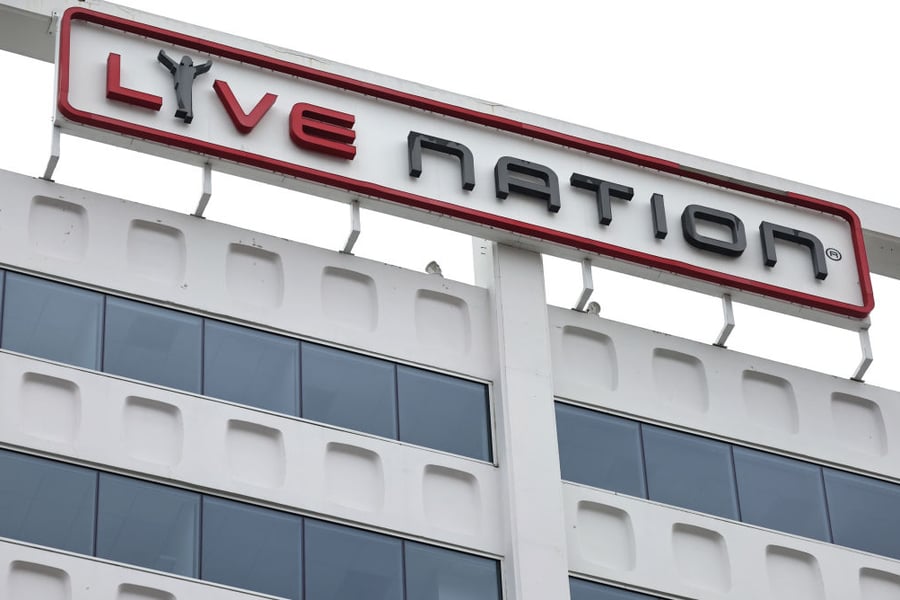
Live Nation and Ticketmaster have settled their blockbuster antitrust case with the Department of Justice.
The deal was reached just one week after the case went to trial in New York City, with a justice department official sharing some details of the tentative deal during a call with reporters Monday. The deal will not force Live Nation and Ticketmaster — which merged in 2010 — to be broken up. But the live-entertainment giant will reportedly face a fine of approximately $300 million and be forced to implement several changes to its business.
Live Nation’s large network of amphitheaters is a particular target of the settlement. The deal caps service fees at 15 percent of the ticket prices at Live Nation-owned amphitheaters. And Live Nation will be forced to divest from at least 13 of its amphitheaters (with that number possibly rising as states sign on to the settlement, the DOJ official said).
To potentially open up more competition in the ticketing space, Ticketmaster will have to now allow rival companies, like SeatGeek and Eventbrite, to list tickets on its platforms. And the DOJ is mandating that Ticketmaster’s exclusivity contracts with venues last no longer than four years. Contracts will also now allow some carveouts to let venues allocate a certain number of tickets to third parties.
Live Nation will reportedly have to pay $200 million in damages to the states that sign onto the settlement. But the DOJ official noted that a deal is still being hashed out with the individual states. While the official was confident most states would sign onto the deal, some could still pursue their own claims against Live Nation. (Reps for Live Nation did not return a requests for comment.)
The Department of Justice and 38 state attorneys general (plus Washington, D.C.) sued Live Nation in May 2024. While the government was able to skirt Live Nation’s efforts to toss the suit, the scope of the DOJ’s claims were narrowed significantly during the two years it took for the case to reach court. A summary judgment from February dismissed claims that Live Nation has a monopoly over the concert promotion industry, and that its conduct has led to higher ticket prices.
Judge Arun Subramanian did allow the DOJ’s most significant claims to remain. First, that Live Nation illegally “ties” access to its amphitheaters to its promotion services, meaning any artist that wants to play one of those venues has to use the company as a promoter. And second, that Live Nation illegally forces venues to sign long-term contracts with Ticketmaster, as opposed to other ticketing services, in part by threatening to keep popular tours from hitting venues that don’t use Ticketmaster.
Love Music?
Get your daily dose of everything happening in Australian/New Zealand music and globally.

During the first, and only, week of court hearings, the jury heard from executives of major venues and rival companies, testifying to Live Nation’s power and influence, and their alleged penchant for retaliation (which the company has long denied). John Abbamondi, former chief executive of the Barclays Center in Brooklyn claimed that after the venue indicated it might start working with SeatGeek, Live Nation CEO Michael Rapino indicated that the company would steer its lucrative concerts away from Barclays.
The court heard excerpts from a recorded phone call between Abbamondi and Rapnio, in which the latter said, “It was, you know, going to be a tough time to deliver tickets or concerts, with a new competitor in town, regardless of ticketing.” Abbamondi said he interpreted this comment as a “veiled threat — maybe not-so-veiled threat that it would be difficult for them to put concerts in Barclays Center.”
SeatGeek’s CEO Jack Groetzinger also took the stand to discuss the company’s difficulties in convincing venue to start using their platform. Groetzinger even claimed one SeatGeek employee floated the idea of offering venue “retaliation insurance,” where SeatGeek would help cover any revenue lost if Live Nation did take its concerts elsewhere.
In a new statement, SeatGeek’s general counsel, Adam Lichstein, called the settlement “incredibly disappointing news for all live event fans” and said it “does little to change” the live entertainment marketplace.
“Meaningful reform requires deep structural changes, not more of the surface level consolations that have failed for the last 16 years,” he continued. “We applaud the dozens of State AGs who are continuing to bring this case forward on behalf of the tens of millions of fans who view Live Nation-Ticketmaster as a harmful monopoly.”
Prior to the settlement, the trial was set to last five to six weeks. The list of witnesses was also expected to include a pair high-profile artists, including Kid Rock and Mumford & Sons’ Ben Lovett, as well as numerous high-powered execs, including Rapino and Live Nation president Joe Berchtold.
The settlement, however, still needs approval from Subramanian, who is expected to discuss it with Rapino and DOJ’s antitrust head Omeed Assefi at a hearing tomorrow (March 10). Subramanian was, notably, one of several parties caught off guard by the settlement, and expressed his frustration at Monday’s hearing. Per The New York Times, the DOJ and Live Nation indicated that they’d signed a deal last Thursday, but neither party alerted the judge to this development on Friday. Subramanian said, “It shows absolute disrespect for the court, the jury, and this entire process. It is absolutely unacceptable.”
According to one report, the DOJ’s own lead prosecutor, David Dahlquist, said he was also unaware of the settlement his side had agreed to until this morning. Many of the state AGs who signed onto the case also expressed frustration with the nature of the deal, and how it was reached, with a contingent signing a motion to declare mistrial early Monday afternoon.
In a statement of her own, New York’s attorney general Letitia James said the settlement “fails to address the monopoly at the center of this case, and would benefit Live Nation at the expense of consumers. We cannot agree to it.
“My attorney general colleagues and I have a strong case against Live Nation, and we will continue our lawsuit to protect consumers and restore fair competition to the live entertainment industry,” she added. “We will keep fighting this case without the federal government so that we can secure justice for all those harmed by Live Nation’s monopoly.”
From Rolling Stone US

