





























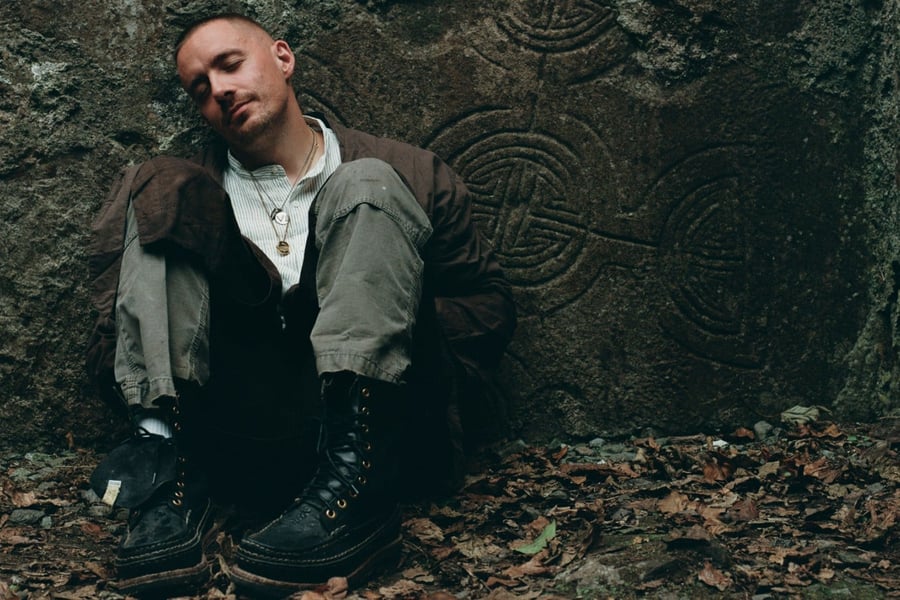
To celebrate the release of this third studio album, The Weight of the Woods, Dermot Kennedy joins this week’s episode of the Rolling Stone Uncut podcast!
The singer-songwriter joined the show from his home in Ireland to talk all about the LP, how it came to be and what he learned from his first two records, Without Fear and Sonder.
Kennedy also touched on when he might return to Australia in support of The Weight of the Woods.
Watch and or listen to the full episode below.
Pressure of album No. 3 after the huge success of first two records
“I’m quite a quiet person, so in any scenario – whether a label meeting or in a studio with other creatives – I’m never the one shouting loudest in the room. Over the years, I’ve realised that often the person shouting the loudest gets their way, and I’ve always been very quiet. It’s taken me this long to get to a point where, yes, I’m quiet, but I also know exactly what I want. I’ve seen that no one’s instinct is going to be better than mine as the artist. I have to trust that. For this third album process, I give a lot of credit to Gabe Simon, who I made it with, because all he cared about was just making really good music. I found that refreshing and reassuring.”
Love Music?
Get your daily dose of everything happening in Australian/New Zealand music and globally.

Wanting to return to more acoustic sounds for the record
“I think over the years… when I was 16 or 17 playing to people for the first time, I don’t think anyone was like, ‘Oh, we’ve got a star on our hands.’ It was just, ‘When I play to people, am I half-decent and is it convincing? Can I make people believe what I’m singing?’ The answer to that is yes, and I know I’ve always been okay at that. People say, ‘Oh, Dermot’s getting back to his roots,’ but I never wrote a song like ‘Sycamore’ back then. So it’s not necessarily roots; it’s a lovely landing place after albums one and two. In album one, I couldn’t get behind the idea of a chorus. Album two maybe went too far the other way. Now I’ve come to a point where I’ve developed the skill to be a much better songwriter, but I can go back sonically to things that feel authentic to me. It puts me in a place where I just love the music.”
Settling back in Ireland and staying out of the limelight after years of mainstream attention and success, including starting Australian journey in rooms of 500 to 20,000 in just a few years
“It’s so important. That part of me is quite competitive, so looking at those numbers, I’m like, ‘Oh man, in a few years we took it from there to there.’ But a beautiful reminder is that while agents and managers care about tickets, it’s really just about the music you make. The only thing that will take it from 25,000 to 50,000 is me getting in the studio and doing my best work. I feel completely at peace playing these shows; I don’t have to paint on a smile or pretend in any way.”

