





























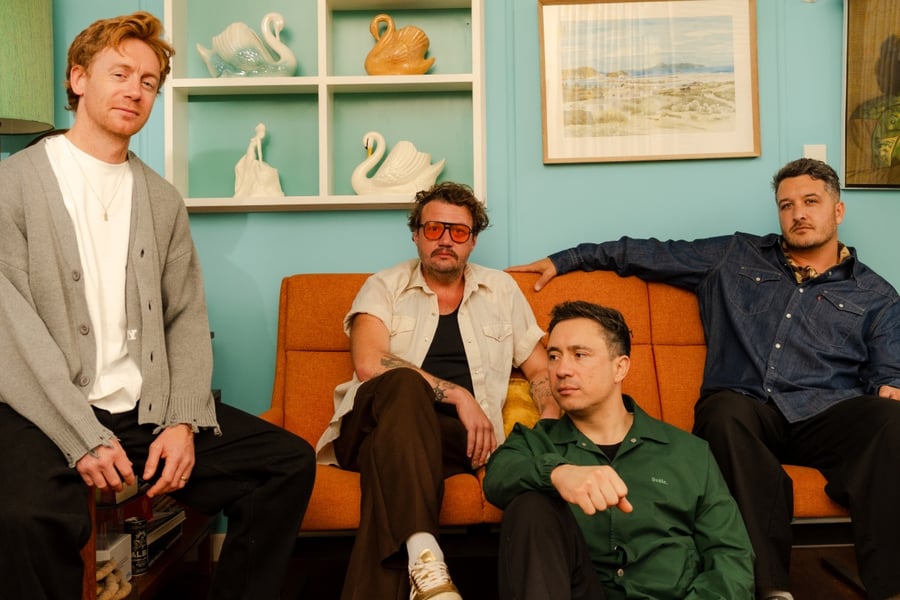
This Six60 interview is part of a new Scene Report on Dunedin. Check out the series here.
Six60 love a literal song title. “Please Don’t Go; “Don’t Give It Up”; “Stay Together”; the list goes on.
Their new single, too, is called “We Made It”, all about “taking a moment to appreciate how far” the band have come. And how far they have come, growing from humble beginnings in a student sharehouse in Dunedin to becoming the biggest Aotearoa band of their generation.
That sharehouse was located at 666 Castle Street. It’s about a 10-minute walk from the imposing Forsyth Barr Stadium, Dunedin’s biggest stage, which Six60 have of course played.
The enormity of their journey, the fact they’ve went from the smallest of shows to the biggest venue in the whole city, is not lost on lead guitarist Ji Fraser.
“That’s the first time [their Forsyth Barr show] I realised I played all levels of venues in that city, probably every single one,” he says. “And I can’t really say that for other places.”
He takes me all the way back to their Castle Street sharehouse days, which he moved into almost 20 years ago in 2006.
Love Music?
Get your daily dose of everything happening in Australian/New Zealand music and globally.

“We were living in a uni hall down there… and it was pretty organic, really. A guy called Hoani Matenga, who was rooming directly above me in the hall, he used to hear me playing my guitar in the room. One night he just came down and asked if I wanted to have a jam. And through Hoani, who was in the rugby academy, we met Matiu Walters, the singer.”
Their initial bond, Fraser tells me, was “friendship-based before it was music-based.”
“I sometimes wonder if that is part of the reason we stayed together so long because we didn’t actually meet specifically for music even though we loved it,” he ponders. “We kind of met and just started hanging out as friends first. We happened to really like music too.”
Six60’s early sessions were resolutely DIY, just a drum kit, “some cheap amps,” and plenty of spare time.
“We didn’t have any traditional experience as a band… But that was really the first time we were we were in a band, which is crazy to think where we are now,” Fraser recalls.
“I guess those early days were our first experiences not only of jamming together but we started playing for our friends — groups of mates of ours would come over and we’d just learn covers from bands that were really popping off at the time.
New Zealand covers were their forte, including songs by Fat Freddy’s Drop, The Black Seeds, and particularly TrinityRoots. (“We really idolised them,” he says of the latter Wellington band).
“So we’d learn all their songs and learn how to play them in our little group and then we’d just play them for our friends… we just started writing our own music, kind of from the experience of learning those New Zealand artists.”
Fraser wasn’t joking about playing almost everywhere in Dunedin.
“We started off playing in a bar called Backstage, after we graduated from the house flat, [that] was our first venue we would frequent. I remember they had an open mic night on Wednesday, and we would head in there and all of our friends would come and support and watch us play. We played Sammy’s, that was an iconic Dunedin venue for quite some time. I think it’s closed now. And then we got all the way up to Union Hall, the big venue on the university, and then we’ve done Forsyth Bar Stadium too.”
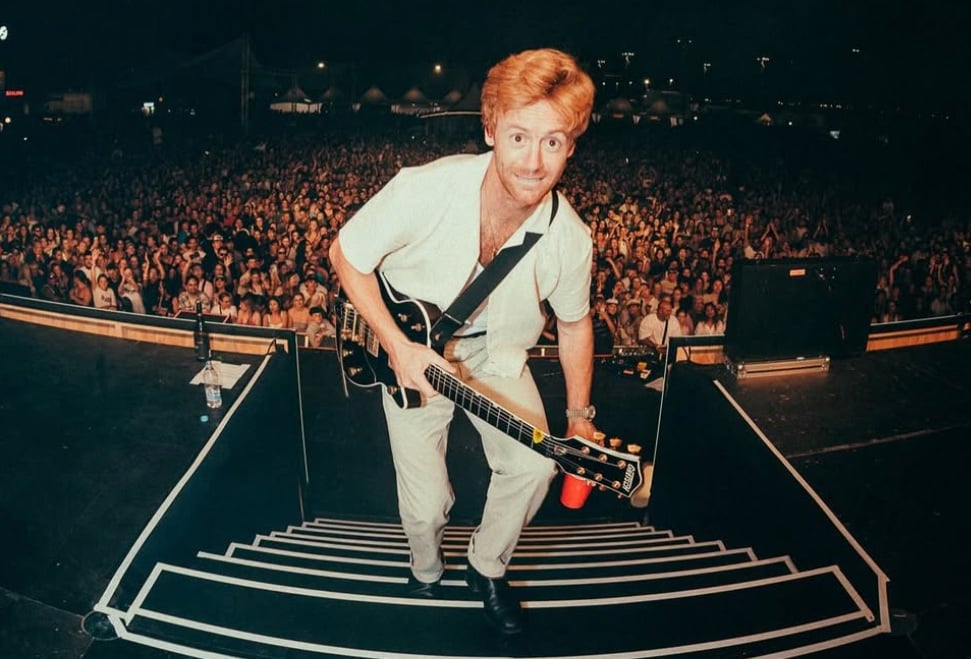
Credit: @ji_fraser
How does Dunedin produce so many quality musicians?
“The thing about Dunedin is that people come from all over the country… You get such a melting pot of people, a diverse group of people from all parts of the country,” is Fraser’s theory.
“I reckon you really find your people down there…. you start to know who you are a little bit more and you find the things you like and you’re a little more… ready to stand on your own two feet and find your real friend group. I think all of those factors affect what you like and what you’re doing and what you take home and show everyone else back from where you’re from.”
Six60 first broke out of their hometown through “word of mouth” around Otago University campus, Frasier says. “I reckon people took our music and flew it back all over the country… just from creating this massively organic buzz around us in the university environment, we kind of spread tentacles out to the whole of the country. [It] also coincided with Facebook popping off… we were quite early on [in] getting our music up on social media… when we eventually recorded our first little album, we would walk to the post office and post it to anyone who contacted us through social media, send it out to them.”
Here’s another literal Six60 title: “Don’t Forget Your Roots”.
It’s probably their best song — it definitely is in our opinion, as we included it in our just-published Best Australian & New Zealand Songs of the 21st Century So Far list.
Their touching and meditative 2011 hit is really about family and friends, but it’s also about the band’s connection with Dunedin, which is why the song’s uplifting music video is set in the city.
No matter how much success comes Six60’s way, Fraser and his bandmates have always stayed humble.
“We were really tenacious,” he reflects on how they’ve sustained their career. “I don’t think you could have stopped us once we got a taste of enjoying the music and actually wanting to do this. And we would just play so many shows… And there’s still a lot of that in us, you know, this kind of refusal to give up or stop… sometimes that’s the only way to win is to never give up so I’m glad that’s a part of who we are… the ability to just take a chance, and not be afraid of throwing all your shit in the car and driving to Queenstown for a show offer, being paid in a box of beer.”
In 2021, Six60 purchased their old Castle Street digs, turning the 660 residence into accommodation for performing arts students receiving a scholarship from the band.
“We bought the house and set up a scholarship in there so four kids every year can go on and live for free,” Fraser explains. “No power bills, no other bills basically… just to not have to worry about a few little things you’ve got to pay for every week.
“There’s no rule about it being musicians or anything but we’ve found a good blend of people who are studying — maybe one guy would be studying dentistry but he’s also a pianist. It’s a really cool [way to] help kids in that way… give them [a] little head start in life.
“We go down every year and we listen to all of their applications and we select a group of kids based on that. And I know that one of the kids is working for our sound guy now, so they’ve kind of made their way into the industry.
“I just loved the idea of us owning it and letting kids live in there for free. I just thought that was the coolest thing we could have done.”
View this post on Instagram
“I think the danger is that the next Six60 aren’t going to come through because they can’t afford to make it,” I say.
“It’s definitely becoming harder and harder,” Fraser agrees. “It’s actually incredibly hard for new kids to break out now. For whatever reason, with the way the industry’s gone, or streaming is set up, it’s just so hard for new artists to cut through. And if you couple that with how expensive it is just to try and live and make music, it’s a really uphill battle.”
As well as being a major boon for the students, the scholarship gives Fraser and the rest of Six60 a good excuse to return to Dunedin.
“I get back there a couple times a year. Usually I go down once for the mentor sessions. So we’ll go and work with the kids who are in the flat. They’ll show us their music if they’ve been making it.”
Six60’s “We Made It” is out now. Check out their upcoming tour dates here.

