




























Back in 1998, before social media and smartphones, MTV music videos remained a hugely influential cultural reflector for young folks, promoting imagery and sounds as dynamic as they were diverse. Boy bands were bigger than ever, Will Smith was getting jiggy with it, and Green Day were having the time of their life. Meanwhile, another California band with punk roots, the Offspring, were building their own fervent fanbase by turning catchy, bratty ditties into high-production clips that nobody ever flipped past on the remote.
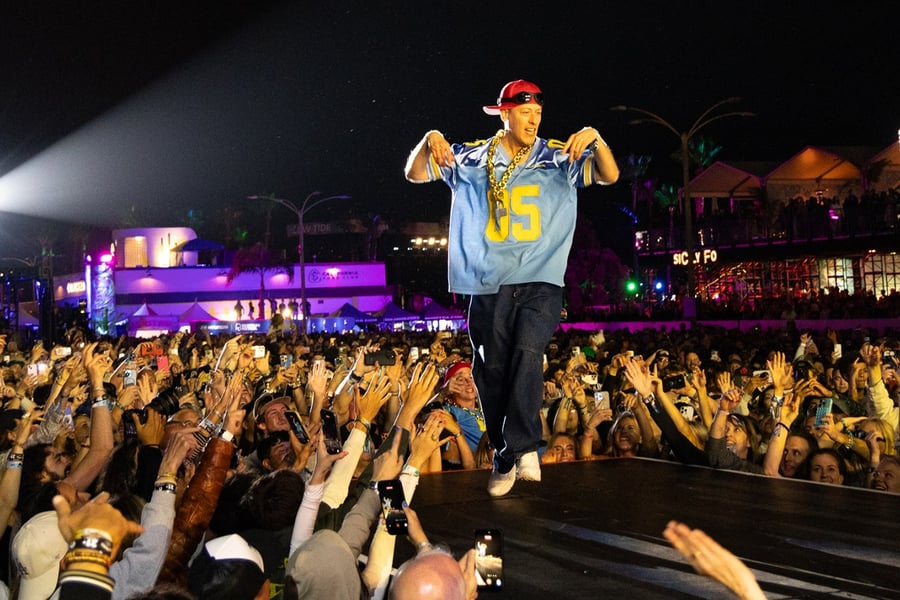
Their biggest hit and most iconic video is arguably the McG-directed “Pretty Fly (For a White Guy),” which skewered uncool dudes who “fake it anyway” by copping hip-hop style, donning backwards baseball caps, oversized jerseys, and gold chains.
Guy Cohen, the young actor who starred in the colorful clip, personified the character in such an endearing way, he became an ironic, even mythic, figure for the band’s fans. The tune might be a commentary on cultural appropriation, but its campy video and the band’s light-hearted approach to performing it live (often bringing the actor out to dance awkwardly to the number on stage) made for many feel-good moments over the years.
With Nineties nostalgia hotter ever on social media, Cohen has been reliving his Fly Guy days once again. He joined the Offspring at their Kia Forum show last August and at the When We Were Young Festival in Las Vegas last October, followed by a triumphant appearance just this past weekend at the BeachLife festival in Redondo Beach.
Rolling Stone caught up with the pretty fly guy — yes, his name really is Guy — to talk about the video, his enduring, now-multigenerational fame, and what he’s been up to these last 28 years.
You were a bona fide video phenom during MTV’s heyday. And after all these years, people still remember the “Pretty Fly (for a White Guy)” guy.
It’s pretty amazing how lasting it has been. I think the character is one of the endearing images of the Nineties. I guess it reminds people of better times… people having fun and watching MTV with their family, before social media. It just brings joy to people, so I’m happy to embrace it, and I think it’s maybe bigger than ever.
How did you get the opportunity to be in the video?
Love Music?
Get your daily dose of everything happening in Australian/New Zealand music and globally.

I started pursuing acting when I turned 18, and this was about six months into my acting career. Back then, in the late Nineties, music videos were a great way to get started and get some experience because they were non-union, kind of like extra work. I had also done Alanis Morissette’s video “Thank U,” in which she stood there naked as people walked by — I was one of the blurry people. Then this video came along, and it just turned out to be one of the biggest music videos of all time. It changed my life.
How did you approach your movement in the video? Was it a joke or did you take it seriously?
I didn’t take any of it seriously. For me, the whole video, and the character, was poking fun at the time and this character of a white person trying to be down with a different culture and all that. There were a few guys like that back then. Nowadays it’s not really a thing, but back then, it was like a “try hard.” So it was all in jest. I’m not a trained dancer. But as far as the moves, I believe I came up with most of them, especially when I take my leg and jump around.
There was something called “the Molly Ringwald” back then that McG, the director of the video, who went on to do movies and television, wanted. He showed me that one. But I think I pretty much came up with all the other stuff. It was just me just being goofy and having some fun and jumping around, thrusting a lot and trying anything out.
It seems a whole new generation is discovering the song and the band, too. Have you observed that?
I’ve never seen anything like this, but we are seeing three generations of families going to concerts together — little ones, the parents, and then even the grandparents. It’s family-friendly. There’s some cursing, but, you know, they have enough hit songs that everybody’s just having a good time. And what I’ve noticed is kids and everyone dressing up like the character! If you go to an Offspring show, there’ll always be 20 to 30 people dressed up as my character.
You look almost the same as you did in the video. What are you doing to stay so youthful?
I was 18 years old. I’m 46 now. I think it’s mostly genetics, but I also don’t drink, I don’t smoke. I wear sunscreen every day with face lotion, and I stay indoors a lot. I’m a full-time livestreamer, so I spend a lot of time indoors and out of the sun.
Tell us about livestreaming under the moniker “I’m Really Important.”
I talk politics. I debate people for a couple hours on TikTok in the morning, and then in the evening, I go over stories in the news, and I try to spin things in a positive way on YouTube or Twitch. I care about all my fellow Americans, and I feel like the more you understand our government, the more optimistic you are about the future because you see opportunity and you see the limits of certain things. So that’s my goal. I try to make politics more entertaining and educate people a bit.
Do your streaming followers know that you’re the “Pretty Fly (For a White Guy)” guy?
I couldn’t put a percentage on it, but I don’t hide it. It doesn’t come up that often. But it’s kind of a little Easter egg when it does. I would argue I’m the largest Offspring livestreamer. A lot of fans come hang out in my channel just because I’m associated with the band. I get recognised more from my career now in politics, because I’ve done some high-profile stuff. But if I were to wear that outfit, I’d get stopped everywhere.
What kind of high-profile things do you do?
I’ve made a few appearances on the YouTube channel called Jubilee, which is really big for debates. I debated Ben Shapiro, and there were some viral moments from that. I’ve also been touring with another livestreamer named Destiny — going to college campuses, like Turning Point USA, but from a left perspective. CNN just did a feature on that.
Your appearance at BeachLife last weekend made a big splash. You joined the band before, too, at their Kia Forum show last year. How often does that happen?
Very rarely. Dexter [Holland] and I have stayed in touch. Once every couple years, we connect and text or something. He’s a busy guy, so I try to leave him alone, but he’s been great the whole time I’ve known him. Maybe once every 10 years, he’ll invite me to a show and I go just to hang out, say hi to the guys and maybe go onstage.
But last year, he reached out and said, “I got this crazy idea, we’re doing a big show at the Forum. We’re doing arenas. We’re bigger than ever and we’d love for you to come out. Do you have the jersey?”
I do still have the jersey, but it’s in a frame. So he said, “I will make you a custom one.” They made it and I went onstage, and it was just a lot of fun. Since then, they’re been asking me to come out to big shows. They did the biggest indoor arena in Paris, and they brought me out for that. Then in Montreal. We also did When We Were Young in Vegas last year. I did their opening stop in Bakersfield for the U.S. leg of the tour. And then, of course, BeachLife… I get to be a cheerleader for the band. They’re not as social media friendly, I guess they’re a little older than me, so we do trending clips and we film some content when I come out. It does very well on their social media platforms.
They also have those blow-up air dancer/inflatable tube man things on stage and they look like you. Are those new?
They’ve been using those for a while. My face is on them, which is funny. Years ago, I went on tour with them. I was 18, 19, and I can’t believe my parents let me go, but I went on the buses with them and the private planes, and it all peaked with Woodstock 99. So I kind of lived this life, and now it’s fun to do it again, 30 years later, at all these big arenas.
The song is making fun of a certain kind of person, but it also feels like a celebration at the same time. Being a white guy yourself, did you have any reservations? Did any white guys take offense over the years of the portrayal?
I’ve never had anybody approach me and say, “Shame on you, you’re a monster.” [Laughs.] But look, I was into hip-hop. My favourite show growing up was In Living Color, which was a predominantly Black cast. And so I understood the culture and had appreciation for it. I just recognised there were some people trying hard to present themselves as that, and we were making fun of it. I think certain communities understood that and saw the joke in it, and didn’t take offence to it as appropriation of culture or anything like that.
You seem like a positive person. Commenting on politics, you must deal with a lot of negativity. How do you handle that?
Oh, yeah. I feel like half the time on my stream, I’m doing mental health care therapy for people because it’s tough to be positive. What’s going on right now, no matter what your political thoughts are, there’s a lot of bad things happening in the world. I try to point out to people where there’s opportunity and things going well, and that good things can come out of bad situations.
From Rolling Stone US

