






























Created In Partnership With Beatport
Australia’s nightlife is in crisis. From the high cost of living, staff wages and insurance forcing venues and festivals to shutter, to patrons having less discretionary spending than they did a decade ago, the whole industry is feeling the impact.
A 2024 ABC report on the industry found that in the years since COVID-19 began, 1,300 venues (25% of all live music venues nationwide at the time) had closed. The 2025 Victorian Live Music Venue Audit, commissioned by Creative Victoria and delivered by Music Victoria, also found that the number of venues hosting at least one gig per week had dropped by 19.4% since 2019.
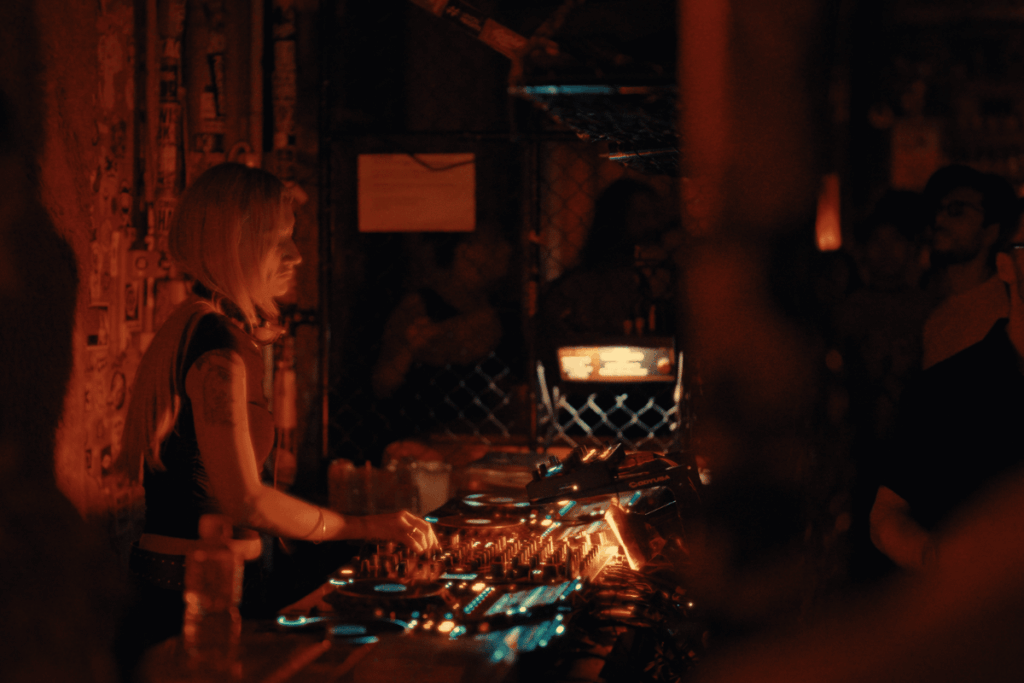
Italian DJ and composer Chiara Costanza, also known as Chiara Kickdrum (CKD), has seen this impact firsthand. The artist moved to Melbourne in 2004 and was immediately swept up in the Australian music scene. Immersing herself in the electronic community inspired Chiara to pick up DJing in 2013, creating a launch pad for her now global music career. However, it was the grassroots venues and communities that helped the DJ get her start.
View this post on Instagram
Love Music?
Get your daily dose of everything happening in Australian/New Zealand music and globally.

“Independent clubs and venues gave me the space to develop my sound in real time, to learn how to connect with my music and with the audience,” Chiara told Rolling Stone AU/NZ. “That kind of feedback loop is irreplaceable. It’s also where I built relationships and found my place within a wider community of artists. Without those environments, my path would have looked very different.”
Over twenty years ago, Chiara remembers a music industry that had density and a level of informality and spontaneity. “You could move through very different spaces in a single night and stumble across a lot of experimentation. Now things are more structured and segmented.”
Chiara, who has gone on to compose for television and film, including Heartbreak High and the new Australian film, Silenced, has performed at dozens of venues across the country, including Revolver Upstairs.
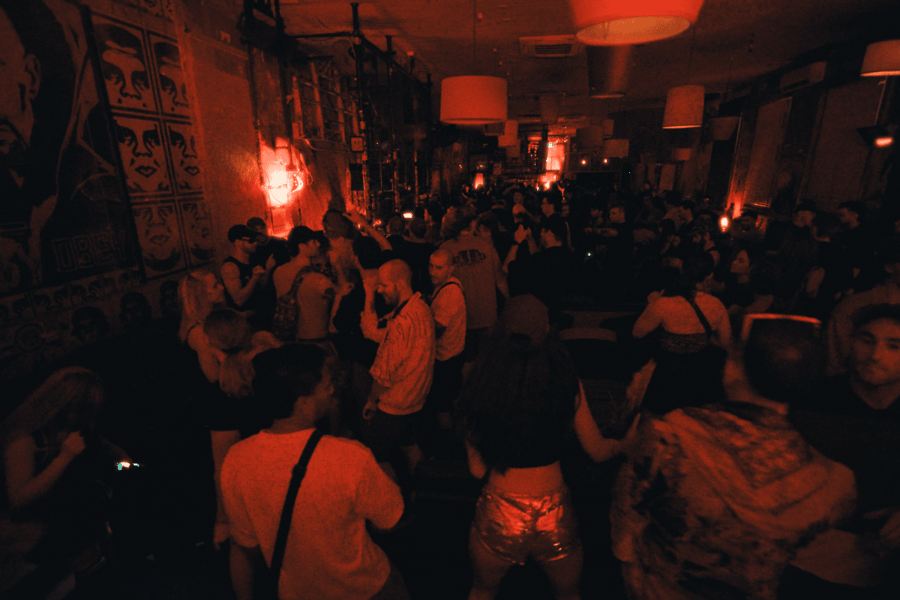
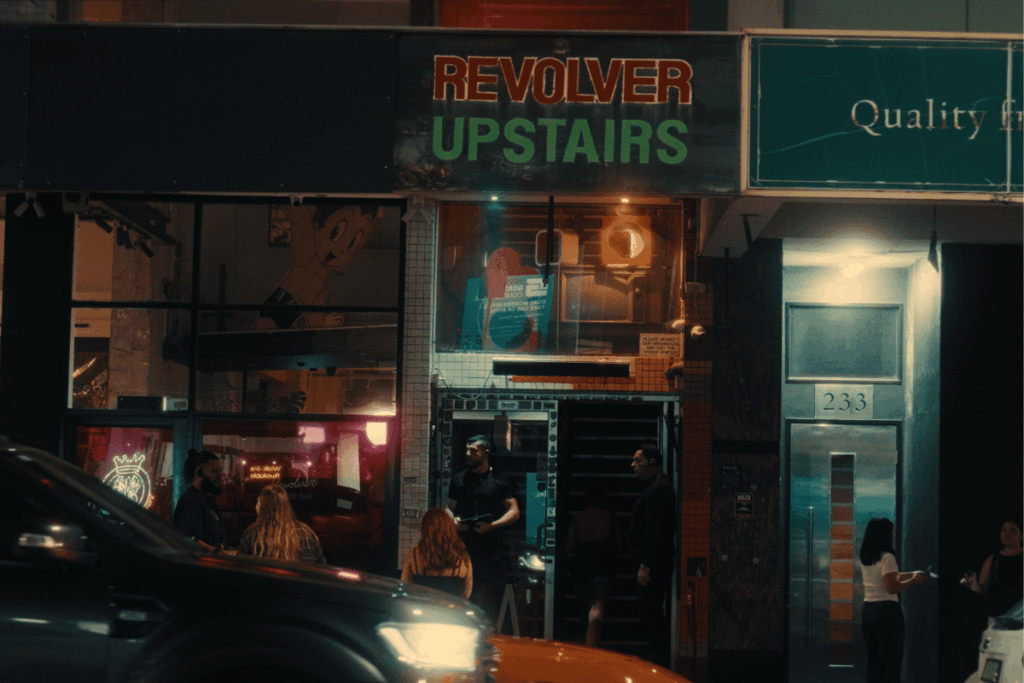
The infamous Melbourne nightclub on Chapel Street is a cornerstone of the Australian live music and electronic scene. Since opening its doors in 1997, Revolver Upstairs (or Revs) has supported the burgeoning careers of artists and been a reliable venue for electronic music fans.
“Grassroots clubs are essential because they’re where artists actually learn how to perform, experiment and connect with audiences in real time,” says Revs’ General Manager, Tessa Bates. “Clubs are living ecosystems. Spaces where DJs can test music on proper sound systems, understand crowd dynamics and develop their craft in ways that simply can’t happen online.”
Supplied
Artists and venues alike know what is at stake and what can be lost as the industry is hollowed out by the declining economy. It’s one reason why global company, Beatport — the world’s largest music store for DJs — and beer brand, Miller, launched an international initiative to support independent venues like Revolver Upstairs.
The fund provided €60,000 (Euros) in total across four countries to help support venues to overcome operational and creative challenges. This included providing direct support for infrastructure upgrades, programming initiatives, accessibility improvements, and other needs that help venues continue nurturing local talent and fostering community.
The money was shared between Turkiye, Hungary, Georgia and Australia, with Revs being selected as the institution that’s a “vital and enduring home” for the local culture and community. The Melbourne club was also a focal point of the initiative’s documentary.
By alleviating financial pressures on these essential hubs, Beatport and Miller reaffirmed their commitment to the global electronic music ecosystem and the grassroots communities that keep it alive.
“The recognition meant a lot because it acknowledged the years of work that go into sustaining electronic music culture at a grassroots level,” says Tessa. “Revs sees itself as part of a much larger ecosystem of venues, promoters, DJs and artists all contributing to the scene, from small neighbourhood bars through to major clubs and festivals. Without independent venues, there’s nowhere for that ecosystem to grow sustainably.”
Supplied
Despite the venue closures and impacts on the Australian music industry, Chiara still believes in the energy of communities and cities like Melbourne.
“There’s no question the pressures are significant with rising costs, venue closures and increasing regulation, which are reshaping the landscape, but what’s amazing is how adaptive the community is. It’s still very much alive and evolving, and I still feel that energy in Melbourne that not many cities have.”
For close to three decades, Revs has been connecting Melburnians on the dancefloor, supporting emerging artists and fostering a culture-defining hotspot, all while protecting the venue from the threats imposed on nightlife. And, despite the financial pressures, Revs is still defining club culture in 2026 – a bastion of grassroots resilience.
“Supporting venues isn’t just about survival,” says Chiara. “It’s about recognising them as cultural infrastructure. When they’re strong, everything else naturally follows.”

