




























Making Music, Making Ends Meet with Bootleg Rascal: ‘Pretty Much Everything We’ve Ever Done Has Been Self-Funded’
The Gold Coast duo just released a 10th anniversary deluxe edition of their beloved debut album, 'Asleep in the Machine'
Musicians have always worked day jobs and side hustles to fund their art, and as Australia and Aotearoa continue to battle a cost-of-living crisis, the need to do so grows greater.
In Making Music, Making Ends Meet, Rolling Stone AU/NZ meets different musicians to discuss their life away from music, how they sustain their careers, and what they think needs to be done to improve our music industry.
Through a mixture of op-eds, interviews, videos, and more, our new series captures their experiences, both good and bad, as well as their hopes and fears for the future.
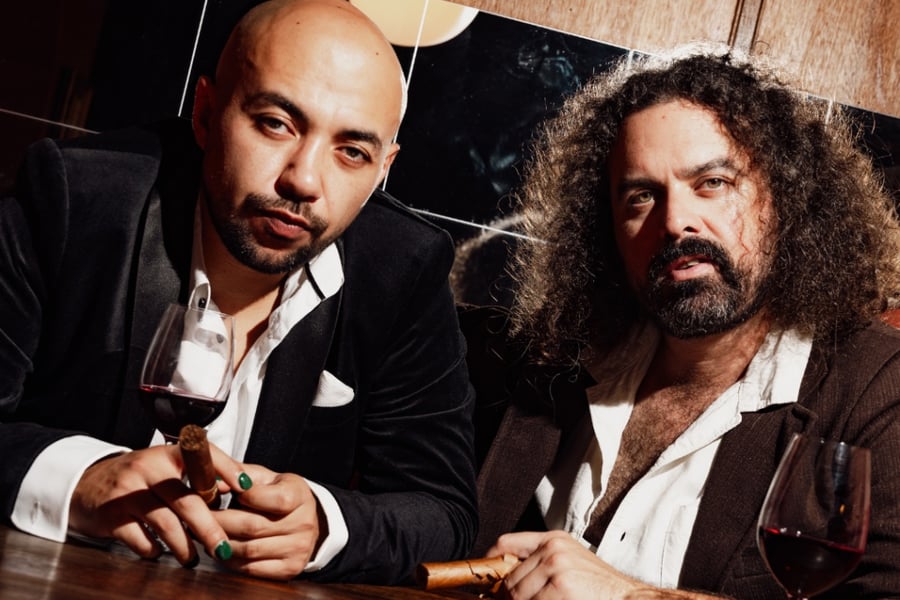
Next up is Gold Coast duo Bootleg Rascal, who just released a 10th anniversary deluxe edition of their beloved debut album, Asleep in the Machine.
The new version features the 12 original tracks alongside acoustic cuts, songs in Spanish, and a track previously only available on a vinyl compilation.
Following the deluxe drop, Bootleg Rascal — aka Carlos Lara and Jimmy Young — will celebrate the release around Australia and New Zealand between September and December.
Before then, Lara talked to Rolling Stone AU/NZ about his favourite jobs, balancing music and work, the difficulties of being an independent band, and much more.
Love Music?
Get your daily dose of everything happening in Australian/New Zealand music and globally.

Bootleg Rascal’s Asleep in the Machine 10th Anniversary Deluxe Edition is out now. Ticket information for their ANZ tour is available here.
Rolling Stone AU/NZ: Can you remember your earliest job?
I certainly can — selling shoes at a shopping centre. I do love shoes, but I definitely wasn’t selling anything cool back then. It was strictly school shoes.
Have you had a favourite job?
I’ve pretty much always juggled a day job alongside music. Right now, I’m working what is probably the most ‘adult’ job I’ve ever had, but the most fun was definitely my time with Deus Ex Machina in Sydney. I managed a couple of retail stores for them and even got to book some friends of mine in a band called Lime Cordiale to play their ‘9ft & Single’ event in Bali. I went along for the trip, and many fun times were had.
Has the balancing act between music and work gotten easier or harder over the years?
It’s definitely had its ups and downs. The hardest part is how difficult it is to maintain any sense of consistency unless you’re in that top 1% of bands making serious money. Without consistency, you lack security. As you start acquiring real adult responsibilities, you really begin to feel the pressure of keeping up with them, and the current cost-of-living crisis certainly doesn’t help ease the strain on musicians.
What significant sacrifices have you made to make it as a musician?
A lot, probably more than people realise. The main thing that always comes to mind with touring is how much of life you miss out on because you have a show. Don’t get me wrong, I love playing music but over the last 13 years, I’ve missed countless birthdays and anniversaries with family. When it comes to relationships, people tend to romanticise the idea of being with a musician. In reality, I don’t think they realise how often you’re away and the heavy toll that distance can take.
Do you think there’s a taboo in the music industry about working part-time jobs to fund one’s career?
Maybe a little bit. There will always be purists out there who believe you have to give up absolutely everything and suffer for your art for it to be considered ‘real’. But I like to think most of us are just doing whatever it takes to keep doing the thing we love most: making music.
Tell us about the economics behind your most recent tour. Was it self-funded?
Pretty much everything we’ve ever done has been self-funded. We did get an advance from a deal once, which allowed us to put money into an album and pay ourselves a wage for about a year, which was great! But generally, we’re in a very fortunate position where the money we make from touring and streaming keeps us afloat. As long as we don’t spend too much of it on ‘extracurricular activities’, we make sure to reinvest it into marketing campaigns and planning the next tour. I don’t think the average punter understands just how much money goes into a tour — from flights to car rentals and accommodation, it all adds up incredibly fast.
How thin are the monetary margins when it comes to something like a national tour?
Incredibly thin. The scariest part right now is the economic pressure on everyone. Sometimes you plan a tour not even knowing if people can afford to buy a ticket. Often it’s not the factors you can control that screw you over, it’s the variables completely out of your hands, like the government and the broader economy.
Do you worry that independent musicians are going to be priced out of touring in the near future?
Yes and no. People are inherently resilient and resourceful. There will always be someone willing to live rough and couch-surf just to play gigs for no money, hoping that one day it starts paying off. Sometimes that day never comes, and sometimes it only lasts for a short moment. The only real formula for success in this industry is hard work and consistency, there’s no shortcut around that. Music itself can never be priced out.
Have you found it easy or difficult to get funding for your releases and touring over the years?
Honestly, we haven’t received many grants, and I think it comes down to a few factors. You can hire professional grant writers but that costs money, which is something a lot of independent bands just don’t have upfront. Then you have to consider the sheer volume of artists competing for the exact same pool of funding. You’re up against acts with big backing, professional writers, and thousands of others doing their best to write them on their own. I’m not trying to be negative, but it really does feel like a bit of a lottery sometimes.
Have you found your fanbase to be based more overseas or at home?
Definitely at home. We do have a loyal following around the world, but home is where the heart of our fanbase lives. I’ve always believed that your home market should be your strongest foundation. Having a solid base where you know you can put on a show and people will turn up is absolute gold. If you have that security, you can always dabble in overseas markets knowing you can return home to play shows and make a living. There’s a J. Cole line from the song 1985 where he says: “I see your watch icy and your whip foreign / I got some good advice, never quit tourin’ / ‘Cause that’s the way we eat up in this rap game.” Honestly, that applies to the entire music industry.
What can the government do better to support artists and musicians?
They could do everything better. The support currently given to musicians and venues, especially small, grassroots live music venues is simply not enough. There needs to be proper subsidies or tax breaks to support local live music. To build a thriving industry, we need structural support that allows a community to grow, and any community needs places of congregation. Without small venues, there’s no room for up-and-coming bands to cut their teeth and make mistakes before stepping up to the next level.
Another massive shift would be officially recognising being a musician as a legitimate job. In other parts of the world, if you play a certain number of gigs, you’re entitled to government support so you can dedicate time to creating without being forced into a second job. The music and live entertainment industry accounts for roughly 2.5% of the national GDP, which might sound small, but it equates to about $67.4 billion dollars. We deserve to be treated like the major economic contributor we are.
How important has your music community been to your career?
Without it, there is no career. At the end of the day, no matter how good or bad your music is, it entirely comes down to the fans and the community you build. If your fans stop listening tomorrow, that’s it, you’re suddenly just making music for yourself again. There’s nothing wrong with that, it’s how we all started, but it’s not how you sustain a career. The community is everything.
What do you think needs to be done to improve the live music scene in ANZ?
It all comes back to supporting grassroots venues. That’s where any band starts; it’s where those unique pockets of culture and rebellion are born. Without them, new artists don’t stand a chance. Small venues allow independent bands to play a show, pack it out with 30 of their mates, and instantly create a full, vibrant energy. Those small pockets of freedom and fun are exactly how every band should get to experience starting out.
View this post on Instagram
How has it felt revisiting Asleep in the Machine for its 10th anniversary?
We’re very lucky that we never really stopped playing a lot of the tracks from that album because they’re the songs people always want to hear live. The crazy thing is that it feels like it came out just yesterday. It really forces you to stop and reflect on the last ten years and everything that’s unfolded, the highs, the lows, the band members we’ve lost and gained, and just how far we’ve come. Not a lot of musicians can say they’ve stuck it out and made a band work for a solid decade, so I’m proud of that.
Tough question: where does it rank, to you, in your discography?
Well, we have three albums, so if I had to rank them from best to worst, it would go:
- Bootleg Rascal (our newest, self-titled album)
- Asleep in the Machine
- Anónimo
So, it takes out a very respectable second place!
What’s your favourite track on the album?
Probably the songs we’ve translated into Spanish. Anyone who knows me knows at least one definitive thing about me: I’m Latino, mi familia es de Chile. It’s a culture steeped in love and passion, and it’s something I am incredibly proud of. I love that I’ve finally had the opportunity to bring that into the music and sing in Spanish. It’s definitely inspired me to write some brand-new tracks in Spanish moving forward. Maybe I can become the Australian Bad Bunny… We can call me Bad Skippy!
What can fans expect from the deluxe version?
Expect some Spanish tracks, some reimagined versions, and if you’ve ever been to one of our gigs a whole lot of fun, loose memories. I know it brings them back for me!
Are you looking forward to the 10th anniversary tour? Any town/venue in particular you’re excited to play?
Playing the Gold Coast is always a blast… It’s home, so it easily turns into the wildest night of the tour. I’m also really excited to head over to WA. Margaret River is easily one of my favourite places in Australia, so I’m keen to get back out there. Whichever show you’re coming to, we’ll see you there!

