



























Ian Laidlaw has photographed every single edition of Yours & Owls since it launched in his hometown of Wollongong in 2014, watching the festival grow from a scrappy afternoon of 1,500-2,000 punters and a tiny stage to a genuine staple of the Australian festival circuit.
Yours & Owls has never been one to sit still, so to celebrate its tenth anniversary this year, the festival is shaking things up. Day one will return to Flagstaff Hill on Wollongong’s foreshore, while day two will turn Steel City into Music City as the festival takes to the streets and CBD venues.
But while the festival has grown and changed shape over the past decade, one thing has remained at its core: giving emerging Australian artists a stage. Laidlaw has watched plenty of them come through before they became some of the country’s biggest names, from hometown heroes Hockey Dad to Gang of Youths, The Rubens and The Preatures. “Those early lineups gave bands a platform, and then they springboarded from there,” he tells Rolling Stone AU/NZ. “I’m still blown away, looking back, at how far ahead of the curve some of those bookings were.”
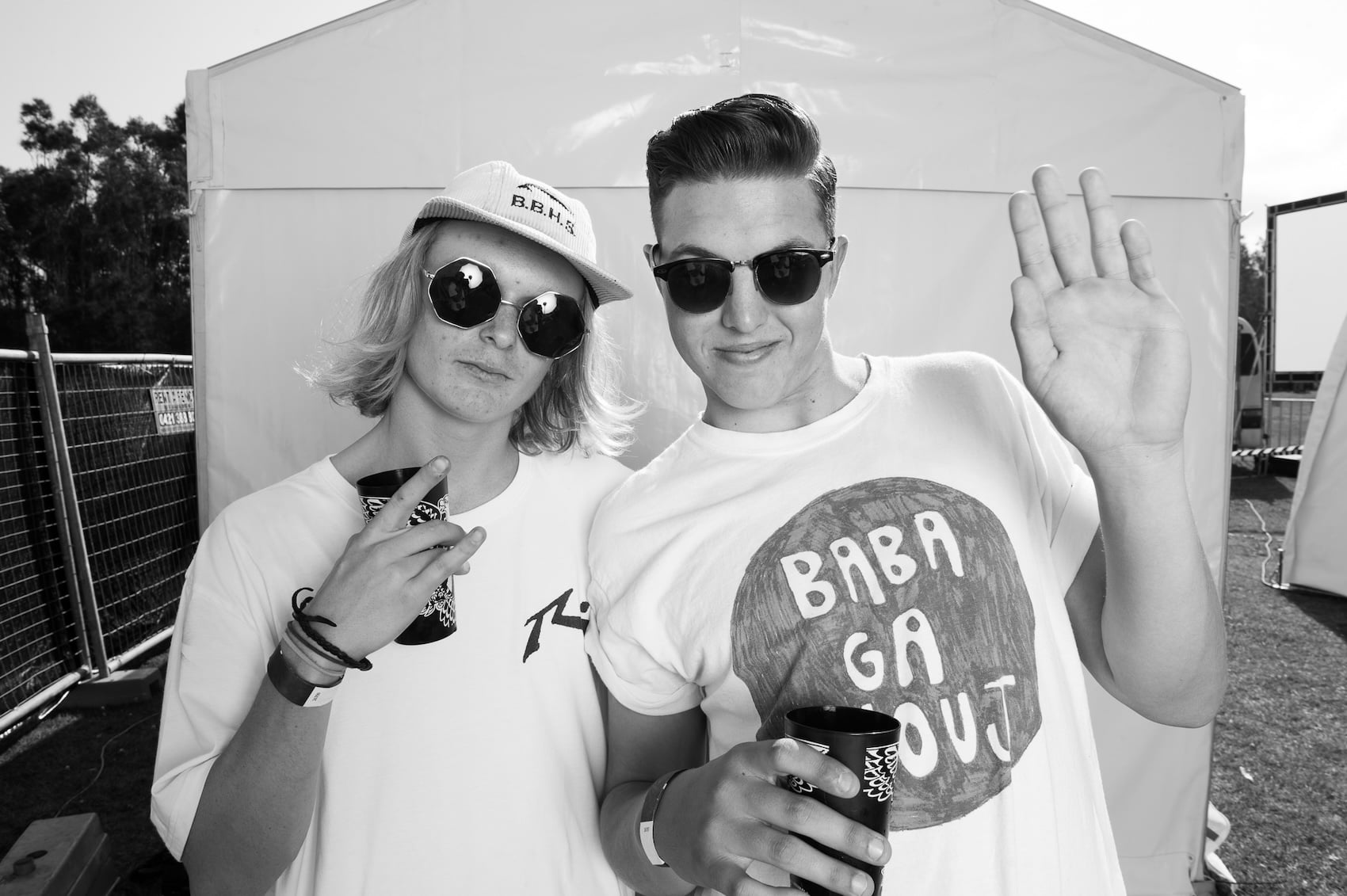
Hockey Dad (2014)
That spirit of discovery feels particularly fitting for this year’s festival. More than 70 acts are spread across the weekend, with day two’s venue-hopping format encouraging punters to wander through Wollongong and, ideally, stumble across something they didn’t arrive planning to see. For Laidlaw, that’s always been one of the great strengths of festivals: “It gives you something you weren’t expecting.”
Self-discovery can feel increasingly rare in an age where TikTok, streaming algorithms, and online hype can tell us what we’re supposed to be listening to before we’ve had the chance to find it ourselves. Laidlaw still believes there’s something powerful – and perhaps underrated – about it.
Ahead of the festival, Rolling Stone AU/NZ caught up with Laidlaw to look back through a decade behind the lens, the artists he watched grow up on its stages, the enduring thrill of discovering a band for the first time, and why he’ll keep returning to Wollongong for as long as he can.
Rolling Stone AU/NZ: You’ve been shooting Yours & Ours for ten years now. What do you remember about the early days, and how have things changed since?
Love Music?
Get your daily dose of everything happening in Australian/New Zealand music and globally.

Ian Laidlaw: I’ve done a lot of festivals over the years, around the world and in Australia, but the initial beginnings of Yours & Ours were really exciting for me personally. I was born and raised in Wollongong, and I’d left because there was nothing creative happening there. So when Ben [Tillman], Adam [Smith], and Balunn [Jones] decided to do this festival and called me up to photograph it, I said yes straight away – these guys have been family to me for a long time.
The scale of that first one was tiny, obviously, just teething issues, starting out – maybe 1,500 to 2,000 people on a very small stage. I remember thinking, ‘If this doesn’t go ahead again, at least they did it once’. But I could see in their minds that this was never a short-term thing. Every year, I’ve watched them curate a better lineup and bring it back bigger. I’ve watched it explode from a tiny local event into a staple of the Australian festival circuit… Consider the festivals that dominated Australia back in 2014 – tell me where most of them are now.
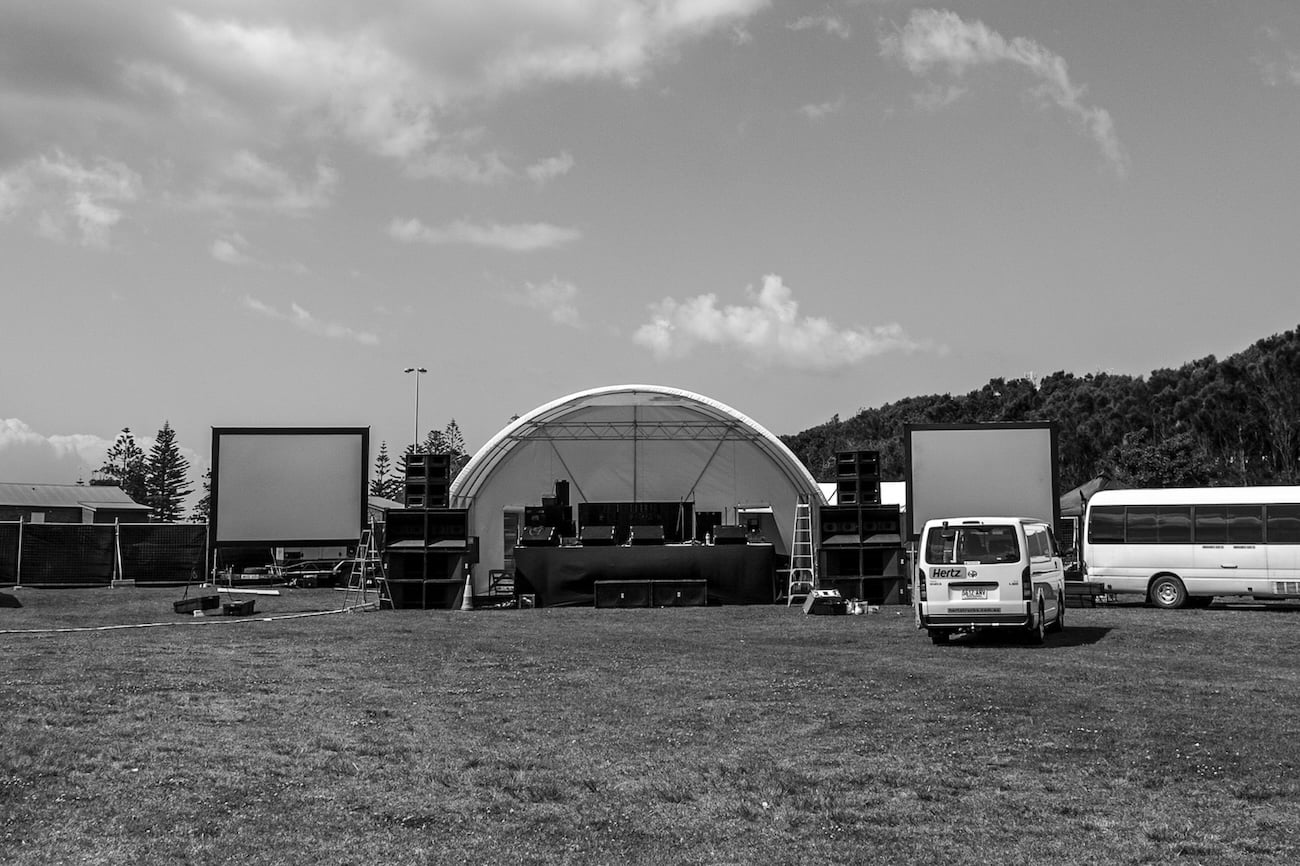
The first ever Yours & Owls stage (2014)
Is there anyone you photographed in those early years who you look at now and think, ‘I can’t believe they’re doing what they’re doing?’
If you go back to those first two or three lineups, you can see exactly where some of these bands ended up. Hockey Dad is the key example – I’ve got portraits of them from the very first festival where they’re legitimately children. I think they were underage the first time they played. You could see something in them, and they pushed themselves further and further from there. Everyone from that first bill – Safia, Dune Rats, artists like that – have gone on to become a really stable part of the Australian music community.
Then there’s Gang of Youths, who played around 4pm or 5pm in 2015. It wasn’t that the slot was wrong for them – it was more that you could see something in them that was clearly bigger than that stage. There was always a little extra magic in some of those artists. The Rubens and the Preatures were the same – bands that went on to become staples of the Australian touring circuit. Those early lineups gave bands a platform, and then they springboarded from there. I’m still blown away, looking back, at how far ahead of the curve some of those bookings were.
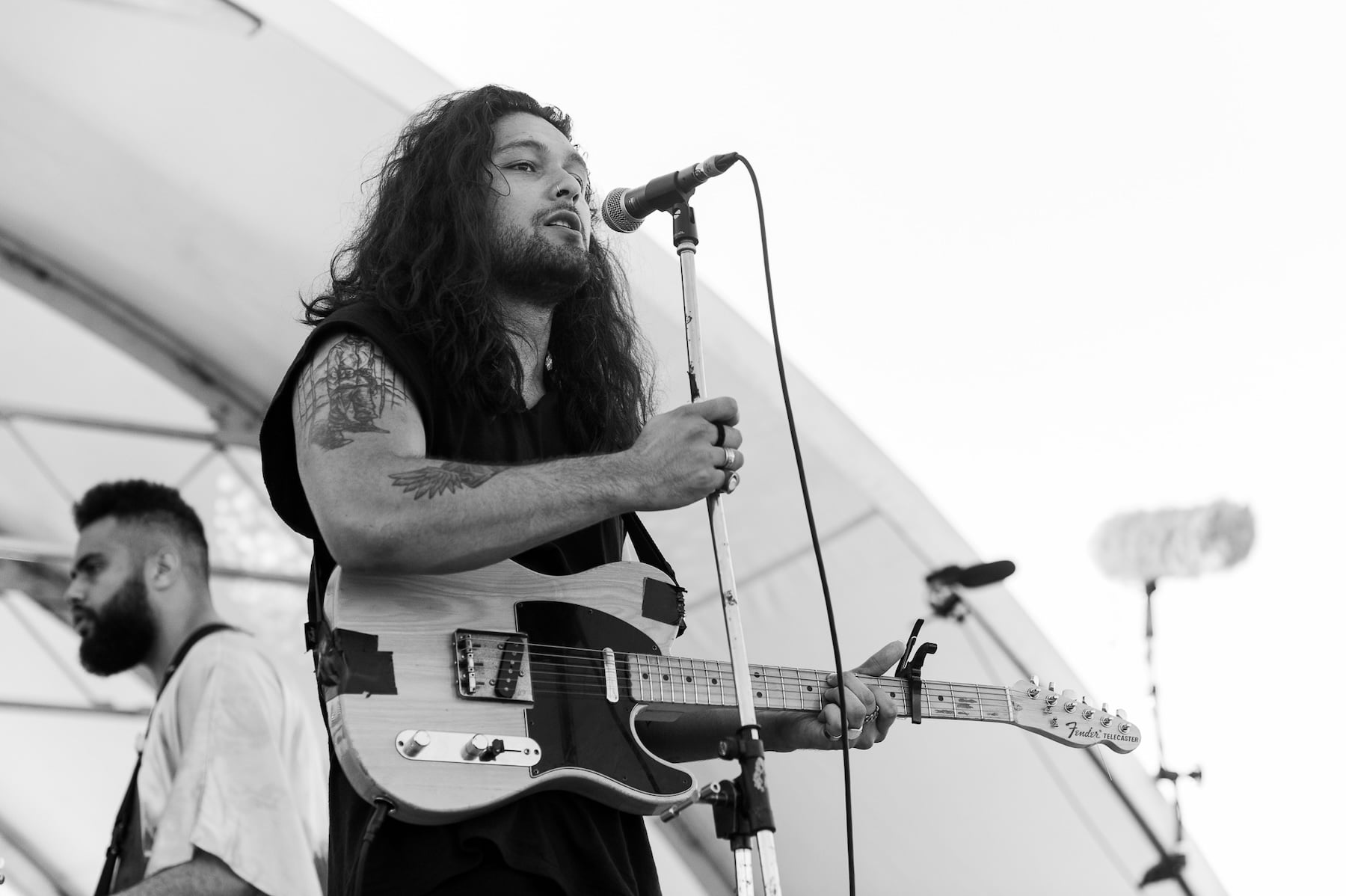
Gang of Youths’ Dave Le’aupepe (2015)
Can you feel when an artist has that special live presence? What was it about Gang of Youths specifically?
I don’t want to make this about my age and how much work I’ve done, but yes, I still get it – though maybe not as often as I used to. There have been shows where I’ve just put the camera down, stopped, taken a breath, and thought, ‘This is a moment worth soaking up rather than documenting’. With some of these artists, I remember thinking, ‘This will go big. There’s just no way it couldn’t.’
If you strip everything away and just focus on the act, and there’s still something in the presence – the delivery, the tone, an energy that some artists have as a unit that becomes almost infectious. You feel something shift inside, and you can’t quite put your finger on what’s happening yet, but you know it’s magic.
What’s your favourite part of shooting a festival?
There’s a particular thing I gravitate towards, and it always comes down to the emotion an artist puts out on stage. Sometimes the crowd’s a little flat, and that’s exactly where I’ve always respected artists who come out and go, ‘I’m here, I’m giving you this art, I’m not commanding your attention, but I’m going to win it’. I love watching that happen.
Festival sets are short – 40 to 60 minutes of the best-of-the-best, you know, ‘Here’s our catalogue, I’m here to entertain’ – and that diversity is something I’ve always loved about festivals. They’ve shaped me, because they introduced me to genres and artists I’d never have found otherwise. That’s the magic of a festival – it gives you something you weren’t expecting. If you walk in with that kind of optimism, going, ‘I’ve never heard of this band, but that sounds cool, I’ll check them out’, that’s exactly how people become fans of artists they’d never previously considered.
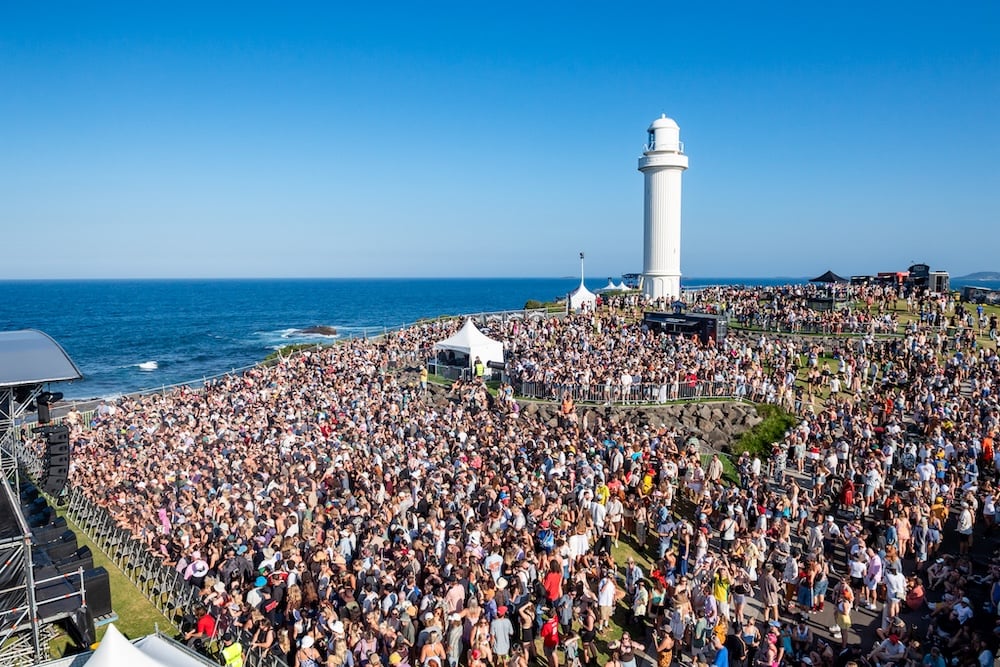
Yours & Owls at Flagstaff Hill (2025)
These days we discover a lot of music through TikTok and streaming before we ever see someone live. Do you think we’ve lost some of that accidental discovery festivals used to offer?
In some ways, yes, and I’ve been affected by that too. A good example is the hype around Geese before they played Laneway last year. All I heard was how amazing they were – and none of it convinced me until I actually saw them play.
It’s not that I don’t believe what people say about a band, it’s that self-discovery is what makes it fulfilling as a fan. You can tell me a band is great, but if it doesn’t resonate with me, that’s okay – I’d rather not have it pushed on me by outward media and instead find it myself. I’m fine being behind the eight ball on that. I’ve built my whole career finding bands in my own time rather than having them handed to me.
The way audiences approach unfamiliar artists, has that changed over the years you’ve been doing this?
I think it can go either way, and there’s no wrong way to discover a band, whether it’s been around 15 years or three months. I go back to an era of picking up street press every week and flicking through gig guides, without the ability to research an artist in detail before seeing them. Now people can look up interviews, get a real grasp on a newer artist before they even walk in. That’s good and bad. But there’s something about discovering an artist with zero context that still feels more exciting – you just go, ‘Whoa, where did this come from?’
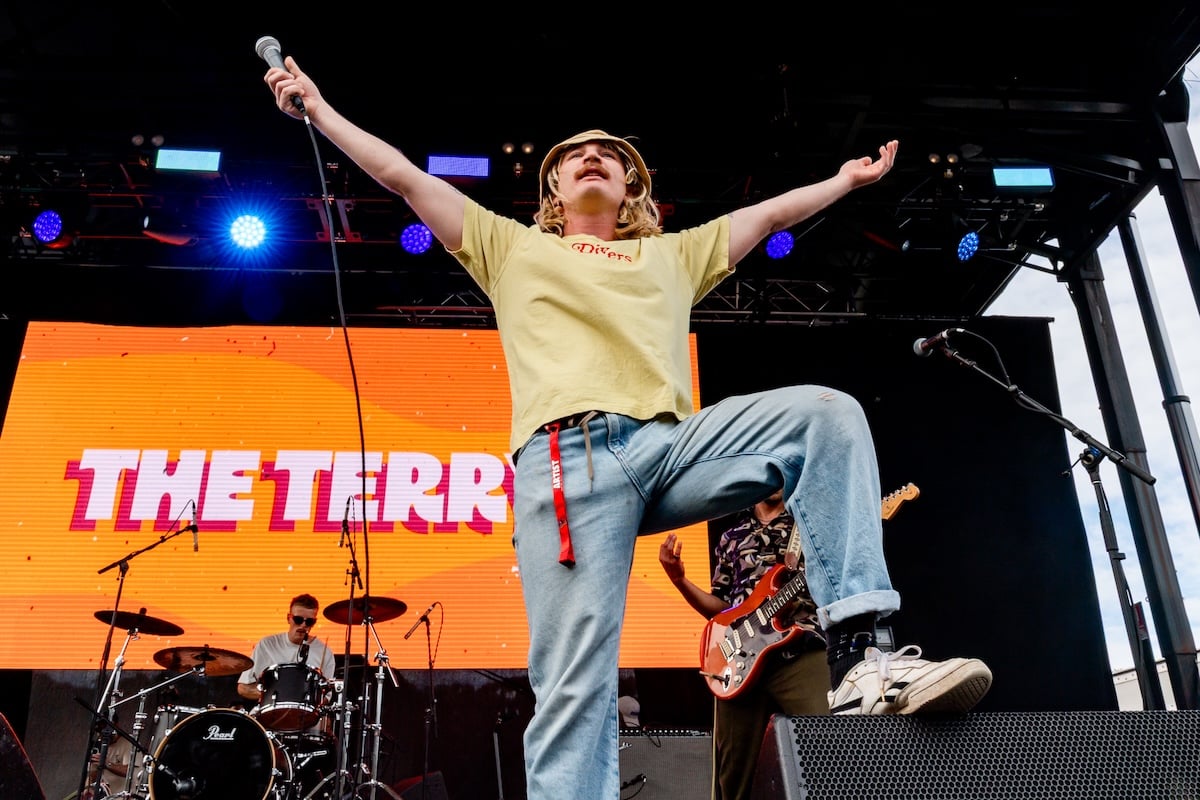
The Terrys (2023)
Do you think artists who arrive at a festival with that pre-existing hype make it harder for other acts on the bill to break through?
It’s a good question. When you’ve got an artist like Geese, or Fontaines D.C., Olivia Dean – all with a huge amount of hype – I don’t think it really hurts the other artists. That’s the beauty of a diverse festival: they bring together people who love music from every angle. Some fans want to see the hyped band, others want a completely different genre on a different stage.
I have felt for bands scheduled against acts with that kind of swell of media attention. But it can cut both ways depending on how the festival is built. This is where good programming staff matter – they can see it coming and structure the day to give people the best shot at seeing everything, even if it’s not always perfectly avoidable.
When you look back now at your photos of artists before they were household names, do those images take on a different meaning for you?
They do. Honestly, I don’t ask myself that question often enough – I’ve got a bit of an awful habit of never looking back, always looking ahead, which is sometimes to my detriment. But this interview forced me back into my archive, and I’ve spent the last couple of days going through years of work, thinking, thank god I was there.
Sometimes it’s about watching people I know go from teenagers to their mid-thirties, parents, whatever it is. That’s always been part of why I do this – I wanted to time-capsule the scene, the energy, the presence of what was happening in our music community at the time. I look at bands that don’t exist anymore, and I’m proud of the archive I’ve built. Some of the funniest photos are of bands like Dune Rats and Hockey Dad, and I’ll think, ‘I’ve been working with you for fifteen years – how did that happen?’. That archive is invaluable to me. Underneath the humour, I see the energy, the innocence, the ascension in those faces. It’s a reminder of how this all ties back from the artist to the festival, to the town.
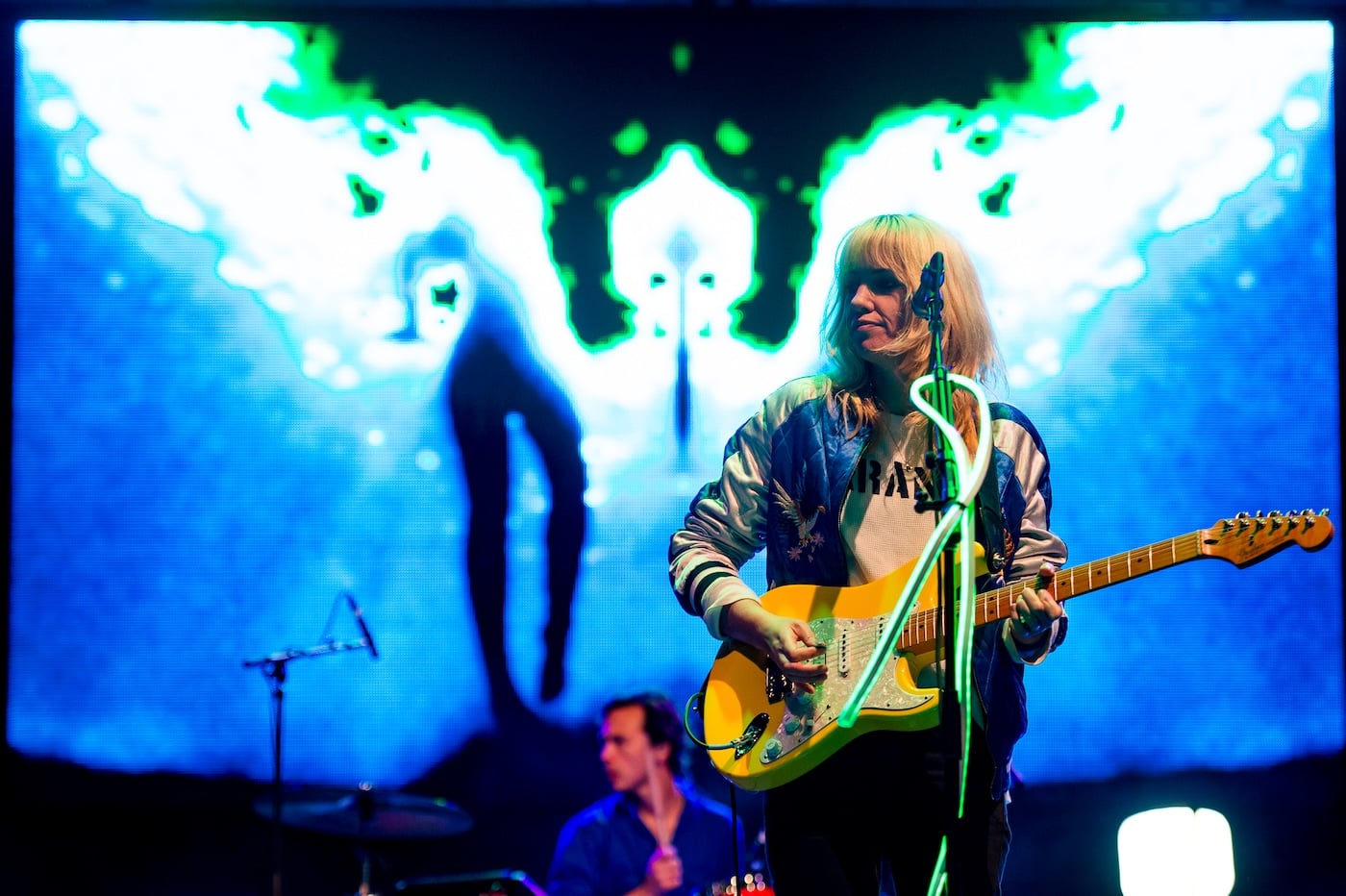
LadyHawke (2016)
Has your photography itself grown up alongside these artists?
Yes. I didn’t have much direction early on – it was just, ‘I’m here, I love this, keep going’. I shot an enormous amount of work without much of a filter. I don’t work outside the music industry much at all; immersing myself in this world always felt natural. Like most young photographers, I was erratic – twenty bands in a day, running flat out. That was good in a lot of ways, but slowing down and getting more patient was the best step forward in my career. I don’t need to photograph every band or take a thousand images anymore. Sometimes it’s five or six shots, or one specific angle. It’s about timing and patience now, representing what’s honestly in front of me, rather than shooting everything that moves.
Was that shift to being more intentional a deliberate decision, or something you grew into?
Both. I’m working and representing the festival, so part of my brain works methodically – there are briefs I need to hit. But another part goes, ‘Alright, slow down, see what you actually want to take’. I learned that from a dear friend of mine, a photographer in Brisbane – I noticed he’d stop, take a breath, look, and wait for the moment instead of running through the pit firing off a thousand frames. If you’re prepared and ready, one photo is worth the same as a hundred. That patience completely changed how dialled-in my work became, and I still do it to this day.
This year’s Yours & Ours has a new format – a traditional festival day followed by a street crawl through Wollongong. What are you most excited about?
When I first heard the format, I thought, ‘How’s this going to work?’. The festival’s moved through a lot of sites over the years – Stuart Park, Towradgi, Dalton Park during COVID, the university grounds, then the Harbour last year, which was fantastic – but I like this new idea. It keeps the excitement of a festival without it just being one ground with stages back to back. One day gives you the full amenities and staging; the next is a crawl through town, into small rooms and smaller stages. It reminds me of the original Laneway festivals in Sydney and Melbourne, held literally in and around laneways – I remember when the Basement in Sydney was a venue for it, and you genuinely didn’t know where to go next. It’s a really cool, genuinely unique way to run a festival.
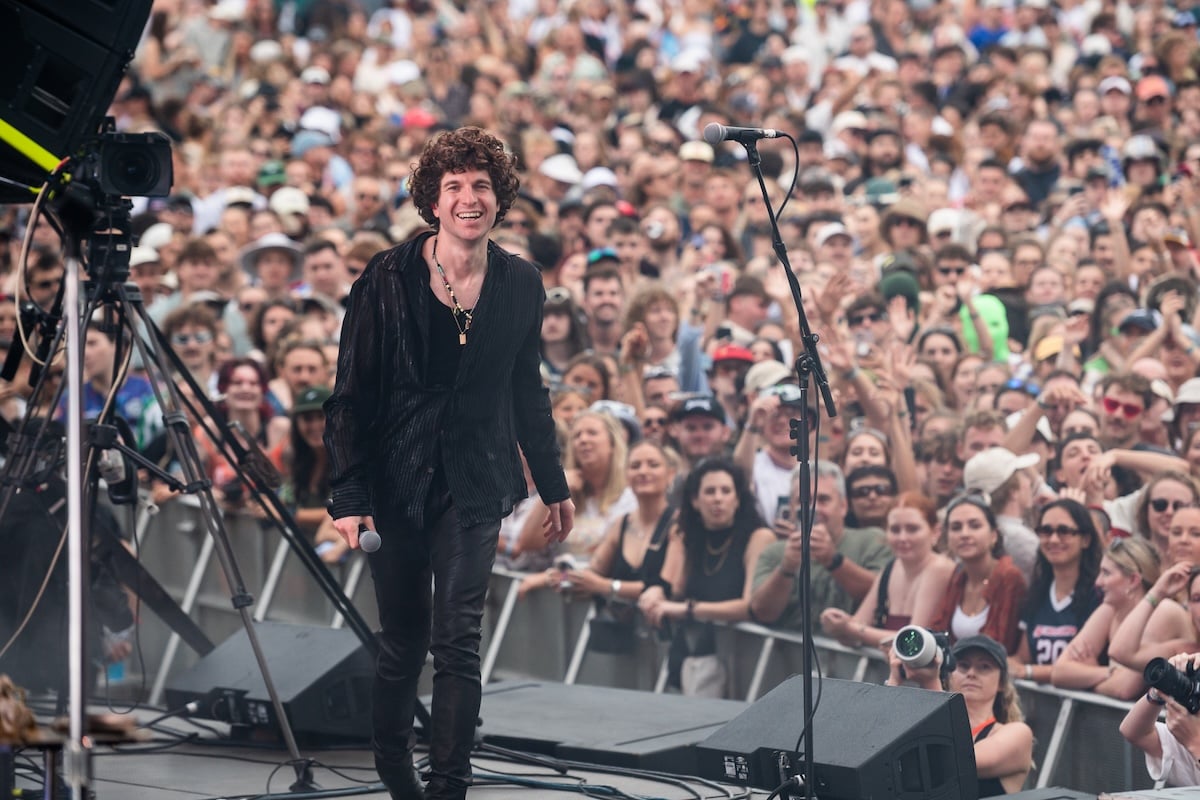
The Kooks’ Luke Pritchard (2025)
It feels similar to Sydney’s King Street crawl.
Yeah, it does. I’ve always thought of a King Street-style crawl as closer to my own personal taste, because it’s not about one contained ground – it’s the whole community. It shows off the vibe of the town itself, and in Yours & Owls’ context, it’s special because it’s I grew up. Wandering those old back streets is going to be an incredible feeling.
This will be your tenth year photographing the festival. Does that make it feel more nostalgic?
It does. We’ve had flooding years, we’ve had the COVID year, but this is the one date in my calendar that’s locked in every year, wherever I am. Not just because the guys running it are close friends – I know what they’ve done for this town. I left Wollongong because there was so little of a creative scene here. Watching it go from nothing back to having real energy and a music community again, because of this festival, is incredible.
Wollongong should always have been a mainstay on the touring circuit – it’s so close to Sydney. Growing up, the local venues that brought bands through would put them on a Wednesday or Thursday as a stopgap before their Sydney show. Bands like Little Red, Dappled Cities, Midnight Juggernauts all came through Wollongong in the early 2000s. This town was often overlooked, marginalised – nobody thought it was the most creative place in the world. But there were always music fans here. The fact that the Yours & Ours team saw that and built something that’s lasted this long is a testament to them, and I hope it never ends.
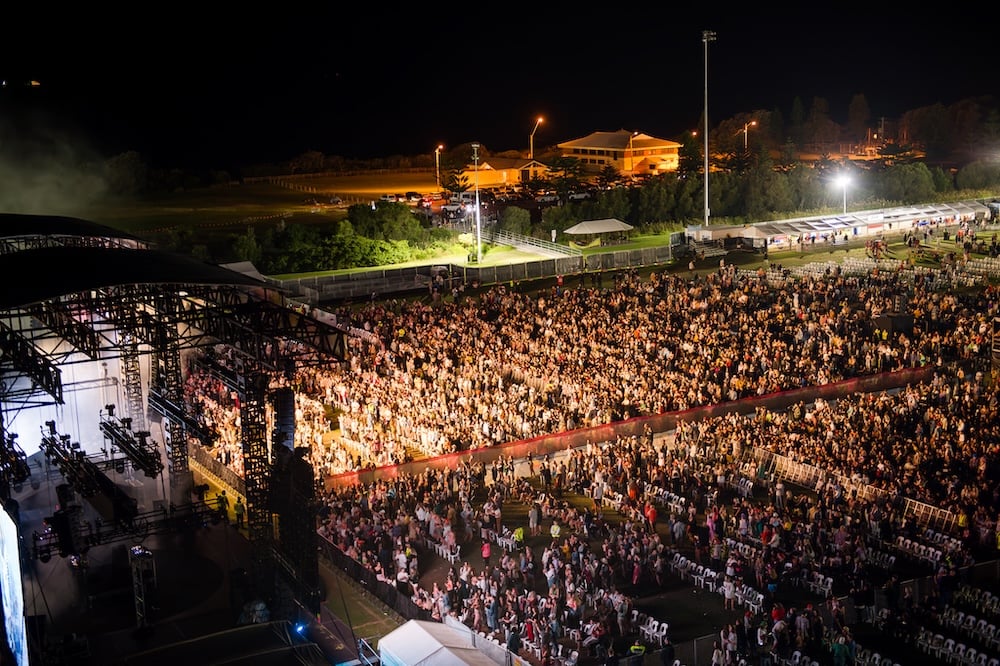
Yours & Owls, COVID edition (2021)
For anyone heading to Yours & Ours this year, is there anyone on the bill you’re especially excited to catch or would recommend?
Outside the artists I already know and have worked with, there’s a bunch of really good acts. WAAX is going to be incredible, I love Mini Skirt, and I’ve shot shows with them for years, and I haven’t had the chance to see Dust yet, so I’m looking forward to that. I’m also excited for Playlunch – this self-confessed bogan rock is so hilarious to me.
Honestly, going through the lineup, I try to find bands I know nothing about – I’ll look at a photo and think, ‘That looks great, I’m going to check them out.’ I can’t go past Ball Park Music, though – they’re such talented artists, wonderful songs and an engaging stage presence. Tkay Maidza’s going to be fantastic, and I’m really looking forward to seeing The Drones again after a few years between shows. And from the acts I don’t know yet, I’m keen for Spike Fuck and Any Young Mechanic – I caught a small glimpse of them at Harvest Rock in Adelaide last year and thought, yeah, I want to see more of that.
But before I even get to a festival, I go through the whole lineup and try not to listen to anyone – I just want to look at the images and get a feel for who I want to check out.
You’ve mentioned a few times that a photo alone can make you want to check out a band. Do you feel a responsibility in that, knowing other people might discover an artist the same way, purely through your image?
I really hope so, because to me, that’s the job. I think about visual representation constantly, and it goes back to how I discovered music myself – through street press. I’d look at a band’s press photos before I even read the review, and if there was something in that image, I’m hooked. Like, ‘This band looks badass, that’s engaging, I want to listen’. That might be a photographer’s bias, but I’ve always believed the visual front of a band matters enormously. I don’t even need to know what they sound like… if the photo’s that engaging, I want to hear it.
I’ll give you a good example. I’d never listened to Laufey before I shot her Melbourne show a couple of weeks ago. I stood at front of house, the first song started, and I had to put my camera down. I love that big, orchestral, old-world kind of beautiful music, and I genuinely thought, ‘What am I watching?’. Twelve and a half thousand people in the room already knew every word and the entire history of the band. I hadn’t deliberately avoided her – it just wasn’t what I’d been listening to. And I was blown away. That’s someone in his early forties, twenty-five years into shooting shows, still going, ‘Oh, wow’.
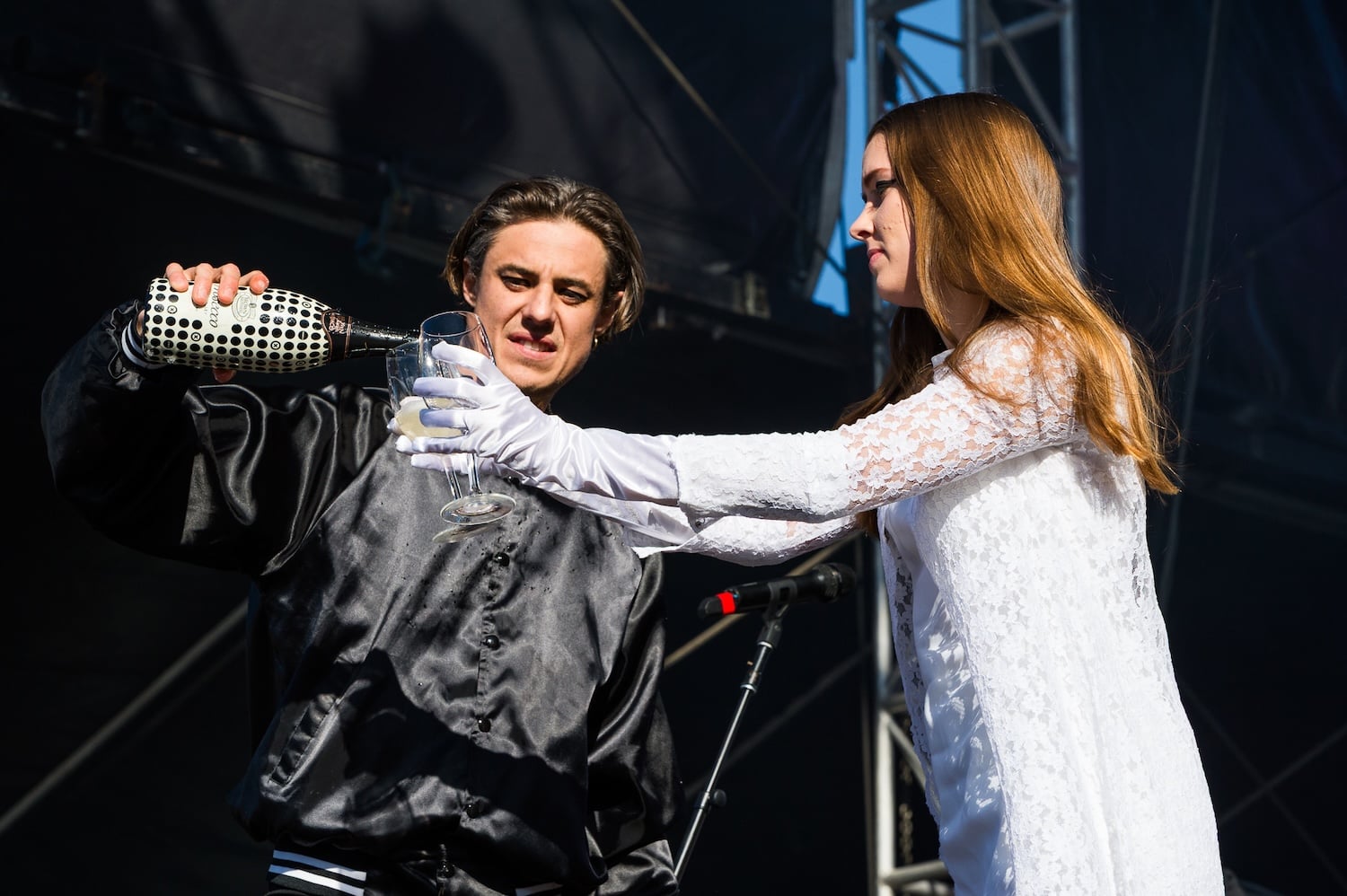
Confidence Man (2017)
Do you think it’s rarer now to have that kind of ‘taken aback’ moment, given how much information is available before you even walk in?
Fifteen or twenty years ago, information on artists just wasn’t as accessible, so discovering something cold hit harder. I don’t deliberately avoid learning about an artist to preserve that feeling – it’s really just down to what I happen to be listening to at any given time. You can’t listen to everything, and different days call for different energy. That’s why I love music, why I love the arts – they fill different parts of us at different times. Live music specifically is uncanny; nothing else replicates that combination of visual and aural stimulation happening right in front of you.
That’s exactly why a diverse festival lineup matters to me. I’m not walking into a bill of twenty artists I already know – I’m walking into sixty or seventy, of which I might know twenty percent. That’s the brilliance of it, because it’s on me to go and find the rest. Magdalena Bay is a good example – I’d never heard them before last year, until a friend of mine on the photography team told me to check them out. I stood there and thought, ‘This is absolutely incredible. It’s fun, pop, theatrical.’ I never would have found that on my own.
It’s interesting how many of these discoveries of yours are artists doing something quite different.
Olivia Dean is a great example – a modern spin on an older genre entirely, and it’s incredible precisely because it isn’t chasing whatever’s trending. It’s an artist going, ‘This is what feels natural to me, and it’s beautiful’. I never would have picked any of these artists to resonate with me the way they did, and the fact I still get that rush of excitement discovering something new – even after doing this for so long – matters to me. It would be easy to get jaded by repetition in this industry. Stepping back and realising how much genuine difference exists out there, and appreciating every artist’s creativity on their own terms, is important. Especially considering that if someone asked me to get up on a stage and perform in front of a crowd, the answer would be an immediate, absolute no.
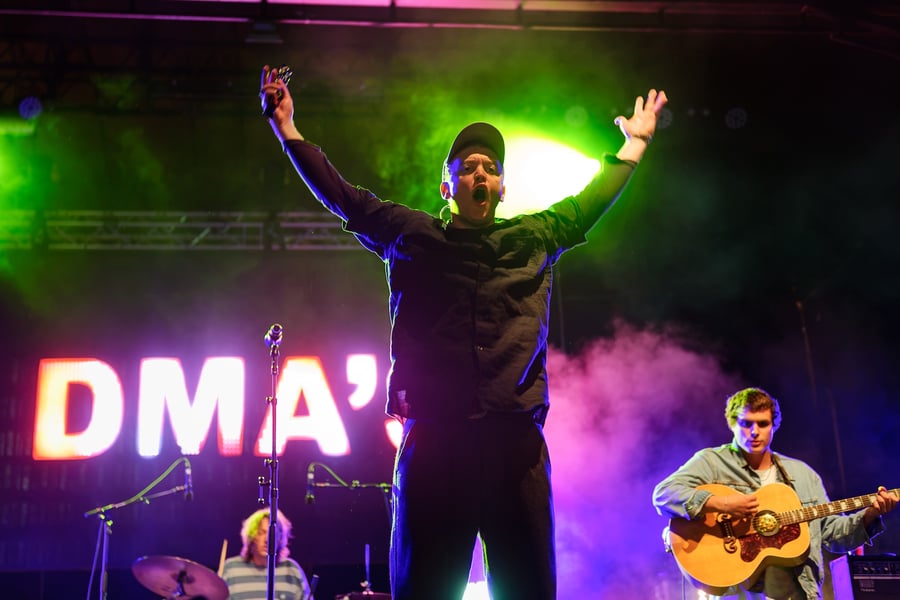
That’s what makes an artist’s confidence to step out and put their work in front of people, to be judged however people choose, so remarkable. It takes real boldness, especially for young artists doing it on a major festival stage surrounded by bigger names, nerves and all. That’s where everyone starts. Ball Park Music, DMA’S, G Flip – they all lived through that same emerging-artist trajectory once.
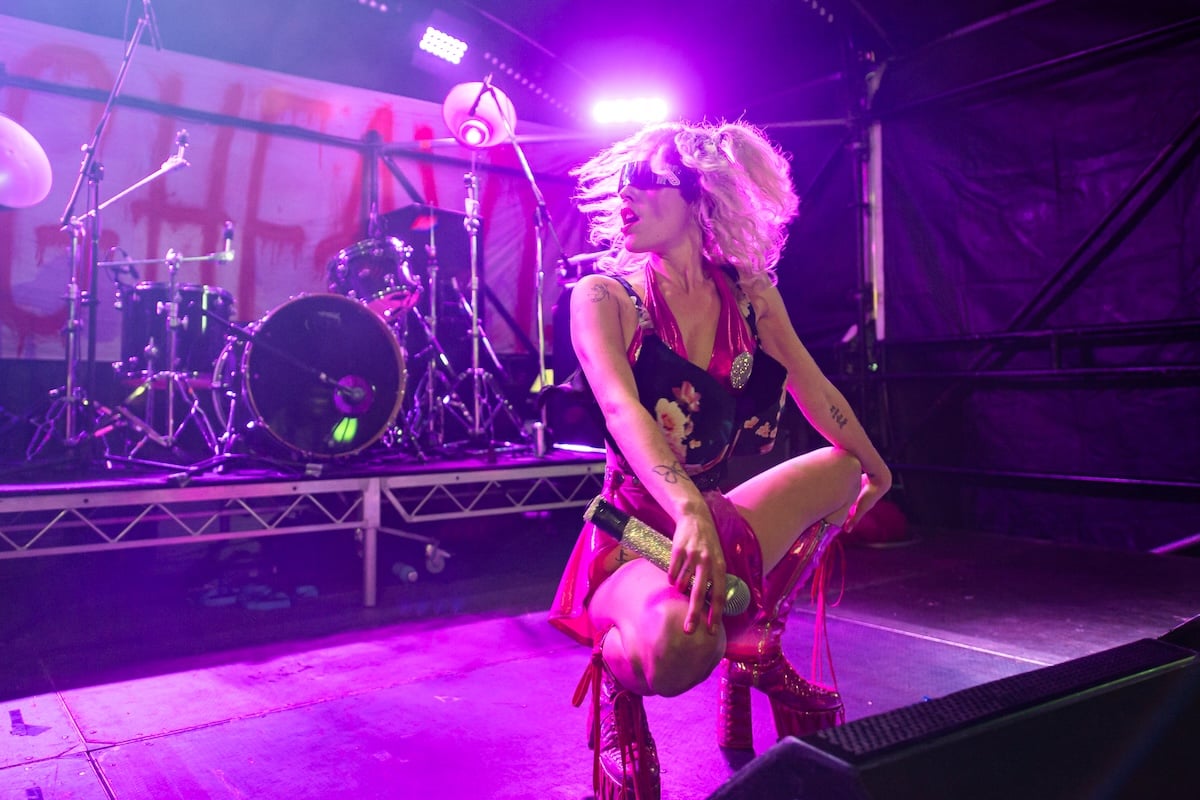
Big Wett (2025)
What does this festival mean to you, beyond the photography?
I feel a version of what those artists feel, even though my face isn’t the one on stage and people don’t know what I look like – and that’s fine by me. Documenting the culture, the music scene, and the talent this country has produced for so long is genuinely important to me. And doing it in the town I was born in, alongside friends of mine, makes it even more special.
I’m hoping for great weather, a sell-out crowd, and people travelling in from all over the country. I mean, there aren’t many festivals in Australia with a setting as idyllic as Wollongong. I remember standing on site with the Fontaines D.C. guys last year and telling them, ‘I grew up in this town’, and they just said, ‘This place is incredible’.
But it’s the energy and the love put into a festival that shows it’s not just there to flog tickets and leave. Sustainability matters because keeping culture and the arts alive in this country matters. When touring is harder, and the cost of living limits what people can afford to go and see, a festival that gives you two days and seventy-five bands for the price of typically just a couple of shows is enormously valuable. It gives audiences the chance to see artists they’d otherwise never have thought to check out, and that’s exactly what turns a festival set into the kind that lives in people’s memories for years afterwards.
I never want to see this festival end. Looking back at the 2014 lineup I shot, and comparing them to what’s happened to festivals like Big Day Out, Stereosonic, Falls and Bluesfest since – festivals I genuinely cut my teeth on – it’s a shame they’re gone. But it’s just as important that other festivals have come through to keep that touring cycle alive.
I’ll keep coming back for as long as I physically can, because it’s about the spirit of this community – young artists, emerging artists, established and international names, all coming together in this beautiful little pocket I was lucky enough to be born into. I’m incredibly proud of what the team has built here for Wollongong over the past decade, and I’ll be there with bells on.
For complete festival and ticket information, see here.
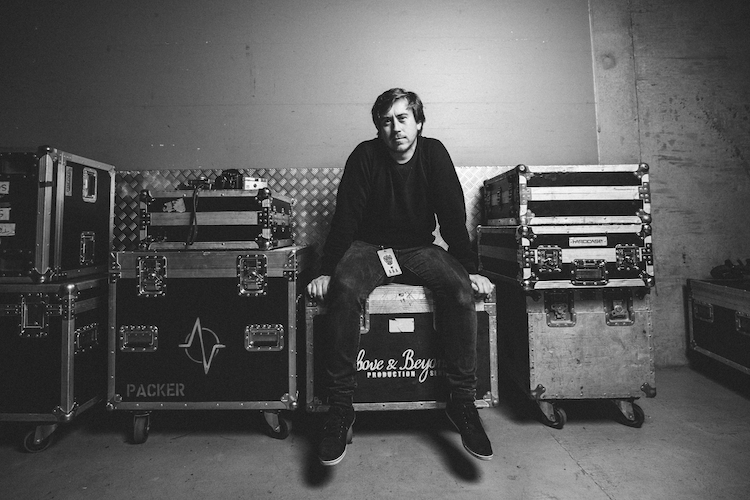
Ian Laidlaw
YOURS & OWLS 2026
Saturday, October 3rd-Sunday, October 4th
Wollongong Foreshore, South Beach & Wollongong City, NSW
Lineup:
BBNO$ (Aus Exclusive) || G FLIP
BALL PARK MUSIC || DMA’S || GENESIS OWUSU || HIATUS KAIYOTE
LUUDE || MIDDLE KIDS || PNAU || THE DRONES || TKAY MAIDZA
1TBSP || C.FRIM || COSMO’S MIDNIGHT || FANNY LUMSDEN
FIRST DAY BACK || FOLK BITCH TRIO|| FURNACE & THE FUNDAMENTALS
GEORGIA MAQ || MIETZE CONTE || MOKTAR || PLAYLUNCH
PRINCESS CHELSEA || RONA. || WAAX || YES BOONE || ZACH STEPHENSON
BOOTLEG RASCAL || DUST || FOOL NELSON || FUKHED || MID DRIFT || MINI SKIRT
MUDRAT || NERVE || RADIUM DOLLS || SPIKE FUCK || SURF TRASH
ANTENNA || ANY YOUNG MECHANIC || BLIND GIRLS || CARLA GENEVE || COLD/HEAT || DELIVERY || DEM MOB
DOWN AND OUT || EGOISM || FEEL THE PAIN || HORSE || KRYSTAL RIVVERS || LOOSE CONTENT || LUCKY
MAC THE KNIFE || MEL BLUE || NICE BISCUIT || SECRET WORLD || SEX MASK || SILKY ROADS || SLIM KRUSTY
SPECIAL FEATURES || SUPERNEW || THE CHEAKS || THE GNOMES || THE GOOD KIDS || THE VANDASTRUTS
VLADS || VOLATILE WAYS
AIRLINE || ALIENIST || CHELSEA DAGHITA || COURTESY BUS || CREEPING JENNY || DROPPING HONEY || HOLIDAY
HOT PURSUIT || LIOTTA RAIL || LOCAL TOUGH GUY || MIRAN.DA || PROXY DIVER || SHAKAMOTO || SILVAS
SMARTCASUAL || SORT IT OUT || SULTANS OF SPIN || THE CHORDROYS || THE MIDNIGHT TIDES

