





























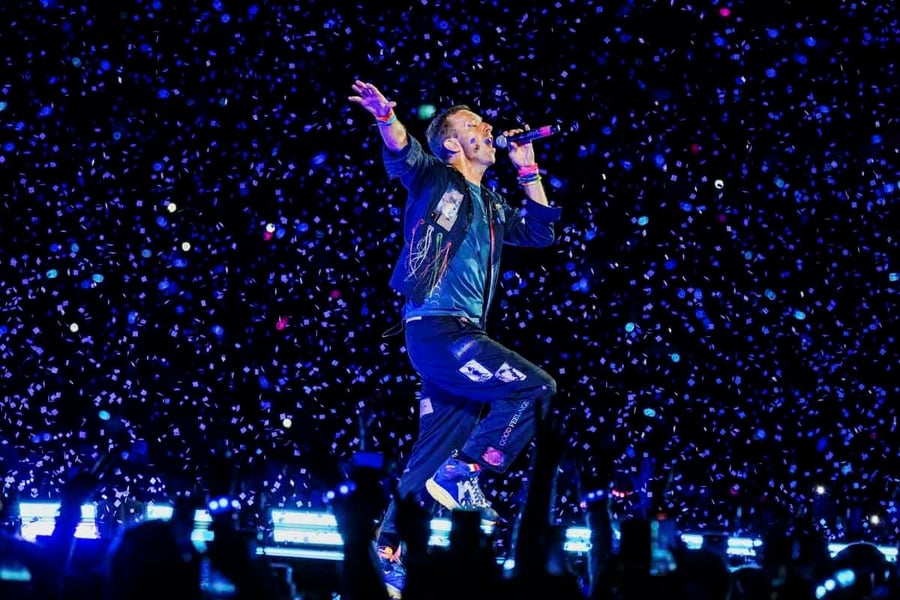
At 4pm, the first sign that something was amiss. Not a slap in the face, just a chin-stroke moment. Guitarist Jonny Buckland and drummer Will Champion are always present at soundcheck. Chris Martin, sometimes. Guy Berryman, however, can always be counted on to test his bass guitar in a big space.
Berryman, we would later find out, was so unwell he was vomiting. He didn’t even make it to the venue.
Then, the lights went out. At 5pm, power drained from Melbourne’s Marvel Stadium. The sound of silence, just as fans began pouring in, desperate to secure the best spots for the show.
A major tour rarely gets away glitch-free. New country, new venue, new everything. When the Australian leg of Coldplay’s ‘Music of the Spheres World Tour’ kicked off October 30th, the spikes were sprayed out, and a few tyres were punctured.
This could’ve been a car crash of epic proportions.
Two hours before showtime, a sense of calm despite staff and crew running into Coldplay’s exclusive backstage area, like ambulances arriving on scene. Something serious was up.
The Coldplay experience starts at 8:45pm. The bell tolls, John Williams’ ET soundtrack as the big screens fire up, the excitement builds. Martin broke the spell when he took the mic and broke the news. “Guy is very, very sick,” he remarked. “He’s not going to be able to play today.”
Love Music?
Get your daily dose of everything happening in Australian/New Zealand music and globally.

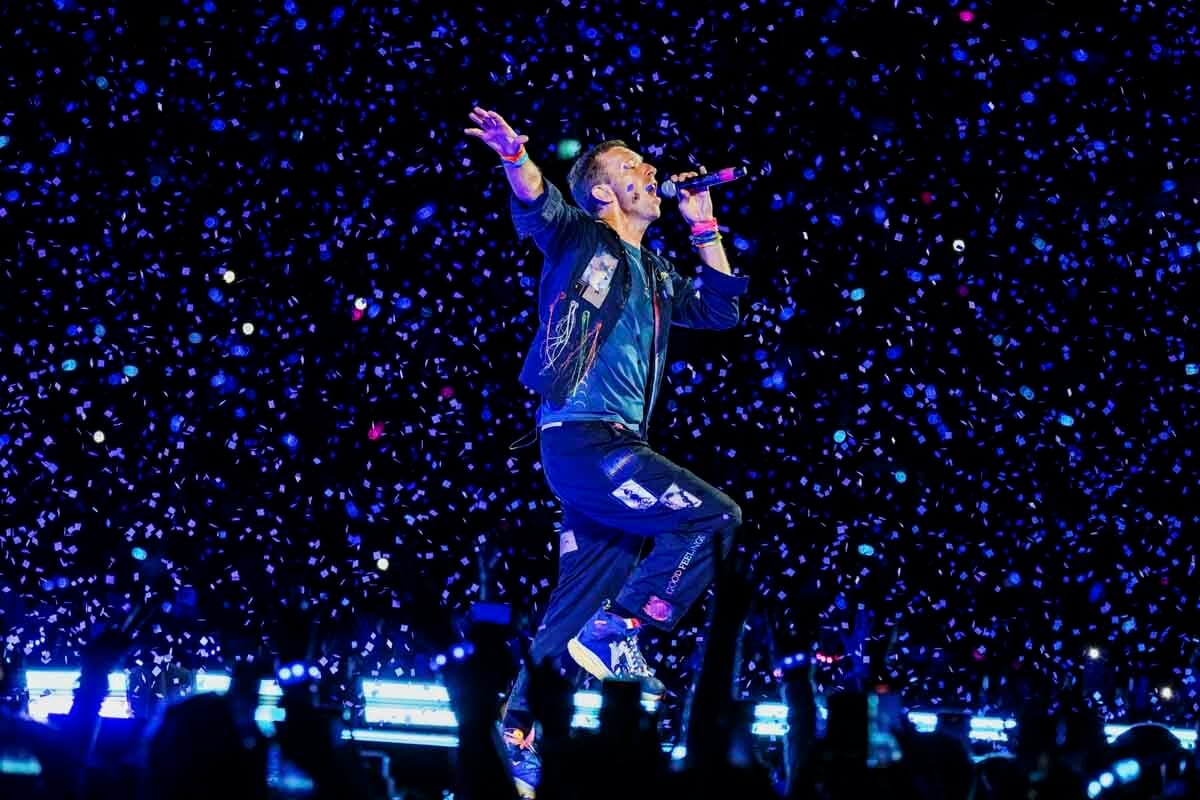
For the first time in Coldplay’s history, the four-piece went on stage without Berryman.
Instead, an “alien” would take his spot, Bill Rakho, the band’s co-producer and engineer, who played along to Berryman’s pre-recorded stems. The lights and sound, not a problem.
Coldplay’s tour of Australia, a section of one of history’s all-time box-office blockbusters, could’ve fallen apart before it got underway.
How did it stay on track? Cool heads, smart planning.
When Berryman went down, no one panicked. Crew walked with purpose, but never a sense of “we’re fucked.”
Every person on this trek had a specific role, including Coldplay’s “vibes coordinator”, a bright Californian woman who sets up a comfortable space for family and friends, then switches roles as the afterparty master – an event so secretive, even the support acts are asked to apply stickers to the cameras of their smartphones.
Blunders happen, but this team comes prepared. Coldplay has a backup for everything, including a second piano for Chris Martin, and a specialist tuner to ensure those keys twinkle every night. Nevermind that the keyboard is essentially a controller. Only Chris would hear any bum notes.
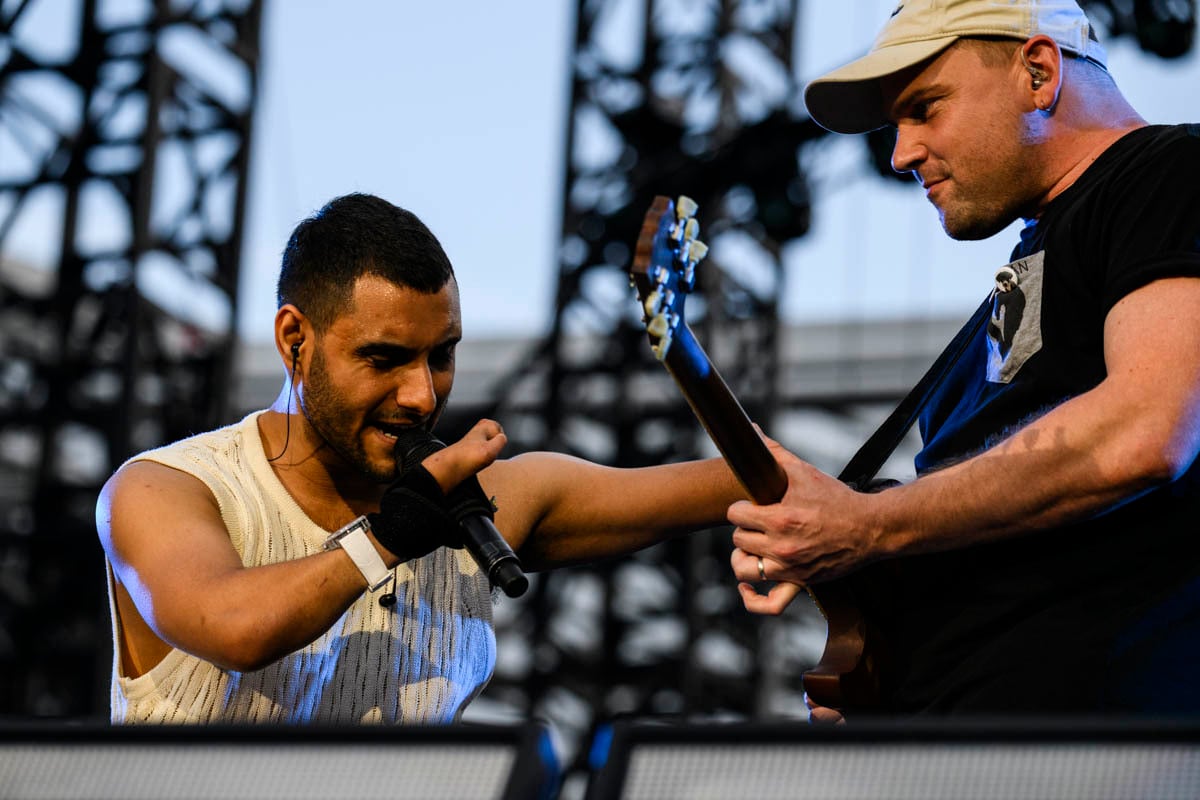
The music industry is a small village. Everyone, it seems, knows everyone. Most people wear multiple hats, myself included. As CEO of Vinyl Group, publishers of Rolling Stone AU/NZ, I oversee a company with 60 staff ,a piddling number compared with the squad that brings Coldplay to their fans each night. I was willingly dragged out of semi-retirement to play guitar with Emmanuel Kelly, one of the support acts on tour, to perform on “My Sky”, a song I co-produced. The Vinyl Group company Vampr distributes and publishes Kelly’s latest music, including his new EP No Zodiac. This stadium experience has been an eye-opener.
On the road with Coldplay, everyone runs their race for the team. Everyone has just one job. That’s a great way to run a business.
For an outfit less organised, this tour would’ve derailed. We’ve seen it happen before, though the truth often gets lost in the retelling.
By the time Coldplay finished their four shows in Melbourne, a venue record for a band was established at Marvel Stadium (227,000). But not before more drama.
For a band with such a strong spiritual connection, some strange juju was floating about.
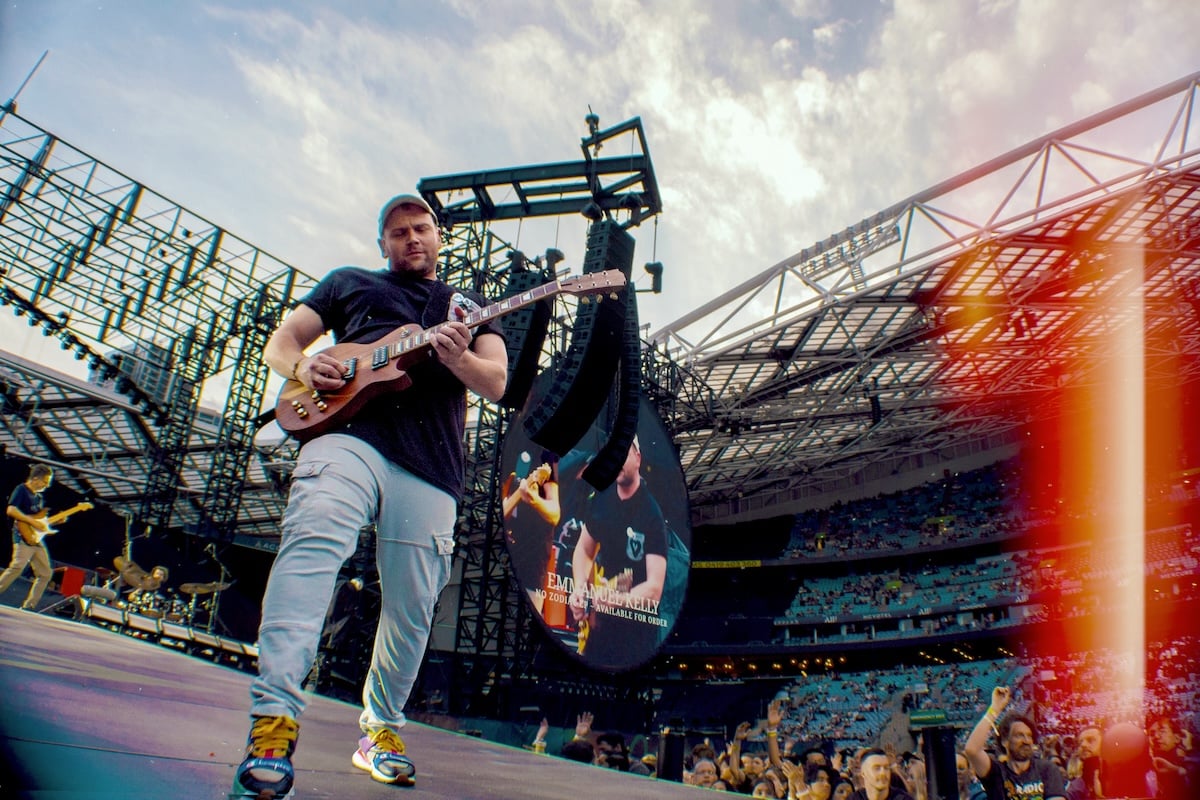
On the good side of the ledger, an assistant of the band announced midday ahead of show two that Guy was ok. “He’s back.” Whatever bug he had caught, it spread. I was floored and missed the third show on Saturday, November 2nd. Chris Martin, too, got floored. During the final show the following night, Martin, while walking backwards down the catwalk, found the trap door from which EK was meant to emerge. Martin fell. The moment was caught on camera, and will live a second life on social media.
What the audience didn’t see was the speed at which our tour manager saved EK from being crushed, and two members of Coldplay’s production team leapt in to catch Martin.
The shaft was treacherous enough for Martin to have broken several bones if he hadn’t been caught.
Teamwork.
Operating a business is, at times, like running a band. Consider Champion snapped the image on Coldplay’s breakthrough debut Parachutes, an album released on a major label (Parlophone, then part of EMI). As business grows, you adapt, you hone in on the strengths of your people, each of whom has a very clear purpose.
Walking out on a stage as grand as this is surreal. Everything is huge. And with Coldplay, multiple projects are running concurrently. A crew was on hand to film “All My Love,” using Marvel Stadium as the setting. And the appearance of Ralph Macchio for a performance of “The Karate Kid,” which appears on the deluxe edition of their latest album, ‘Moon Music,’ was caught for the cameras. Of course.
Those moving pieces fit together because everyone has a job to do.
Running with Coldplay, you’d best check your ego at the turnstiles. When security pushes you away from a friendly downtime chat with Chris Martin and his dad, the “don’t you know who I am” line is best kept in your pocket.
Put aside for a moment the hits, the charm and the nostalgia (yes, “Yellow” will turn 25 next year), Coldplay found a unique way to connect with their fans, and they never let go. For Coldplay’s 2012 tour, each punter was handed a Xyoloband, which enabled the band’s music to trigger lights on your wrist. Today, the wristband and glasses tether fans to the band, and the “We Pray” competition invited fans to collaborate online with lyrics, and get their moment in the spotlight. In their homeland, the U.K., Coldplay has the rare distinction of seeing all 10 of their studio albums hit No. 1. Seven of them have summited in Australia.
It’s all down to teamwork. And it works.

