






























Created In Partnership With Quit
Ben Searle is trying to quit vaping. Like many millennials, the comedian, podcaster and music fan first picked up a vape as a “harmless alternative” to cigarettes. One that meant he could still get his nicotine hit when out at gigs.
“During a headliner band, I’d be thinking about going out to vape instead of enjoying it, [which was] the whole reason I came to the show,” Ben shares.
The host of Oblivious Maximus believes the environment of gigs and shows bolstered his vaping cravings over time. From having something to hold in your hands and a reason to head outside for a quick hit, vaping can often act as a security blanket for music punters. But it’s false security. Vaping harms your health.
“The cravings are definitely a social anxiety response,” says Ben. “You’re not always at a local show where you know people – the nerves set in.” In social situations like this, Ben looks for something to “take the edge off” and is more likely to reach for a vape.
“I find it’s really hard not to give in when your anxiety might already be heightened. Recently, at a gig where I was performing, I was working with acts I didn’t really know. Vaping when other people are can be a reason to feel like you’re meant to be in the same area and strike up a conversation.”
View this post on InstagramLove Music?
Get your daily dose of everything happening in Australian/New Zealand music and globally.

Rachael Andersen is the director of Quit, Australia’s national health organisation supporting people to stop smoking and vaping. She recognises that environments like gigs – where socialising and alcohol are flowing – can make it harder to abstain.
“Vaping is often tied to social routines, settings and emotions. Alcohol can also lower your inhibitions, so you may be more likely to say yes to vaping or other risk-taking behaviours when your guard is down,” Rachael tells Rolling Stone AU/NZ.
“Everyone will have different triggers for cravings, so it’s about knowing yourself, your routines and when your cravings hit and preparing appropriately so you can best manage how to handle these.”
Rachael also notes how quickly a casual vape at a show or on a weekend can descend into addiction.
“Vaping can quickly escalate into addiction in a matter of days, as nicotine is a very powerful drug. If you find yourself reaching for a vape within 30 minutes of waking up, that’s a key sign you may be addicted. Even casual vaping has bad health implications.”
When you vape, you inhale an aerosol cocktail of many different chemicals. Vaping can cause seizures, lung damage, and may impede brain development for people aged under 25. Vaping can lead to headaches, nausea and vomiting, and may also exacerbate anxiety and depression. They also contain chemicals linked to cancer, with concerns they may increase the risk of lung and mouth cancers.
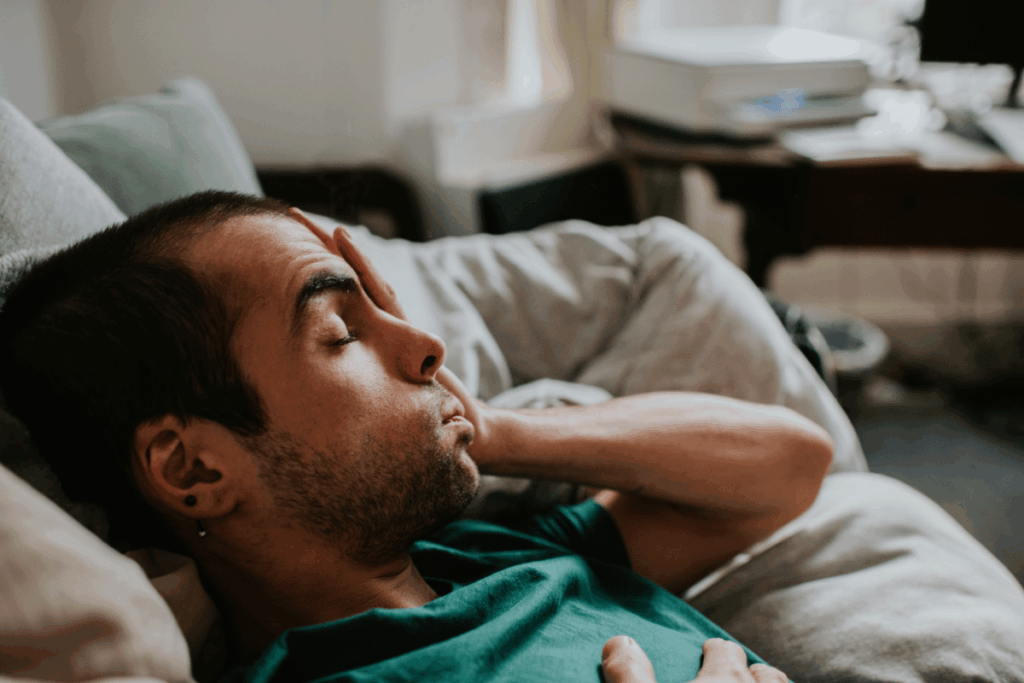
For Ben, it was shortness of breath, intense cravings and reliance on vaping that made him realise he had to quit. “When you’re in bed late at night, and the only thing lighting up your bedroom is the vape, you know things can’t keep going like that.”
Getty Images
How To Quit Vaping
If, like Ben, you want to quit vaping, there are tangible tips and tactics that can help you cut back. For Ben, the language around his behaviour was a powerful way to check in with himself and his goals.
“Decide you are not going to be vaping ahead of time and use language with people like ‘I don’t vape or I don’t vape anymore’ over ‘I’m trying to quit’. So much of this is about identity, and I think identifying as someone who doesn’t vape is powerful for yourself, and most people won’t even second-guess it.”
In loud, high-energy environments like gigs, Rachael recommends finding something to do with your hands. “A fidget toy or a glass of soda water could help. There’s not one ‘right way’ to quit, so find what’s useful for you and get support from your loved ones and health professionals to keep you on track,” says Rachael. Resources like Quit can also provide you with tangible advice, tips, and support.
“For me,” says Ben “it’s simple stuff like chewing gum, choosing to engage with my friends or other punters at the gig, and talking about what I was enjoying about certain bands rather than getting caught up in thinking about vaping.”
While Ben hasn’t managed to quit entirely, he shares that each time he decides not to vape it’s a win. “After a while, the mindset starts to shift. Every time I think about it and choose not to vape, there is a feeling of pride and self-assuredness. It starts to be something where the time without vaping is something I can be proud of.”
Rachael shares that slip-ups are normal when embarking on a quitting journey, and it can take someone several attempts before they quit for good. “The thing we like to remind people is that each time you make the decision to quit, you learn about what works or doesn’t work for you. So each time you try again, you have one more tool to try or avoid.”
“You just need to get through this one gig,” says Ben, “and if you slip up, give yourself the grace to start again at the next gig.”
Quitting vaping when you’re around gigs and music events can be tough, but by breaking your addiction, you can be more present and stop thinking about your next nicotine hit. By stopping, Rachael notes, the focus of a night out shifts back to the music, the event and the people you’re with. Plus, less vaping equals more money for the next gig.
For free information, tools and support to quit vaping or smoking, head to quit.org.au and try the Cost Calculator tool to find out what vaping is costing you.

