





























Created in Partnership with KEVIN.MURPHY
Long before a track drops or a guitar hits its first note, an artist’s hairstyle can set the tone of what music to expect and whether or not you’ll be headbanging by the encore. From the moptops popularised by The Beatles to mohawks and Jheri curls, hair signifies subculture, taste and genre.
Australian celebrity hairstylist, Kevin Murphy, whose work has spanned editorial spreads, runways and film sets for decades, agrees. “Hair is identity. It creates a world and invites people into it. Hair helps people recognise themselves in something bigger.”
To see hair’s impact on popular culture, we’re charting some of the most influential hairstyles in music history.
Sotheby’s
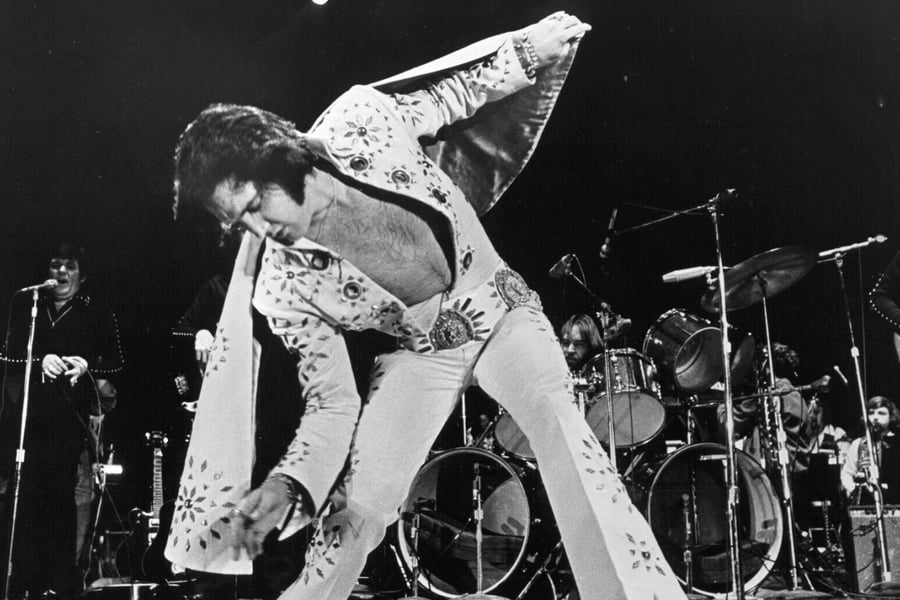
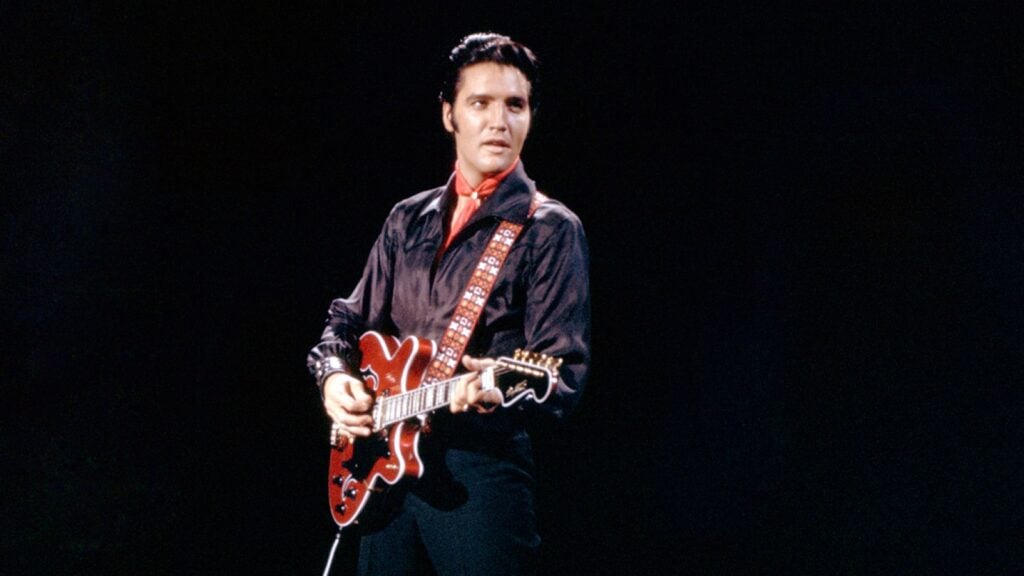
Pompadour
The year is 1954, and a young Elvis Presley is about to change music forever. The king of rock ‘n’ roll created a new era of music not just with his blues-inspired voice but with his infamous pompadour hairstyle. Its identifier is a quiff of hair pulled up off the forehead into a roll. Featuring loads of volume, gel and height, the pompadour became a signature look for the young star and inspired kids across the nation to rebel against their parents and listen to the “devil’s music”.
While it may be known as the Elvis cut now, the origins of the pompadour actually go back to Madame de Pompadour, a mistress of the French king Louis XV. Alongside Elvis, other artists, including Johnny Cash and, more recently, Arctic Monkeys’ Alex Turner, have adopted the quiff that’s associated with country, rockabilly and rock ‘n’ roll genres. Kevin Murphy puts the pompadour’s longevity down to authenticity. “When a look feels natural to the person wearing it, it lasts. When it’s forced, it fades.”
AP Photo
Moptops
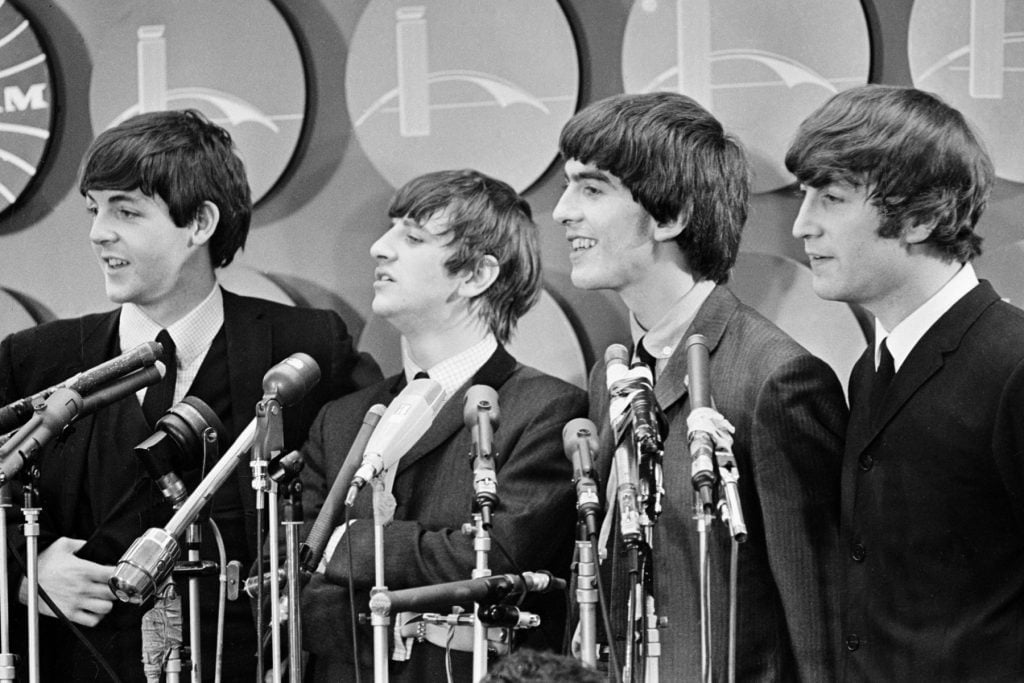
Few hairstyles in popular culture are as instantly recognisable as the moptop. The look is a soft, rounded cut that fell just over the ears and collar, worn uniformly by The Beatles at the height of Beatlemania in the early ’60s. The look was simple, but its impact was seismic.
The band were inspired by German photographer Jürgen Vollmer, whom they befriended in Hamburg. Vollmer cut the moptops for Paul McCartney and John Lennon in a Parisian hotel room. When The Beatles brought the look back to England,and Beatlemania exploded, a brand new music genre and subculture emerged — all associated with the moptop.
Love Music?
Get your daily dose of everything happening in Australian/New Zealand music and globally.

Gijsbert Hanekroot/Redferns
Glam Mullet
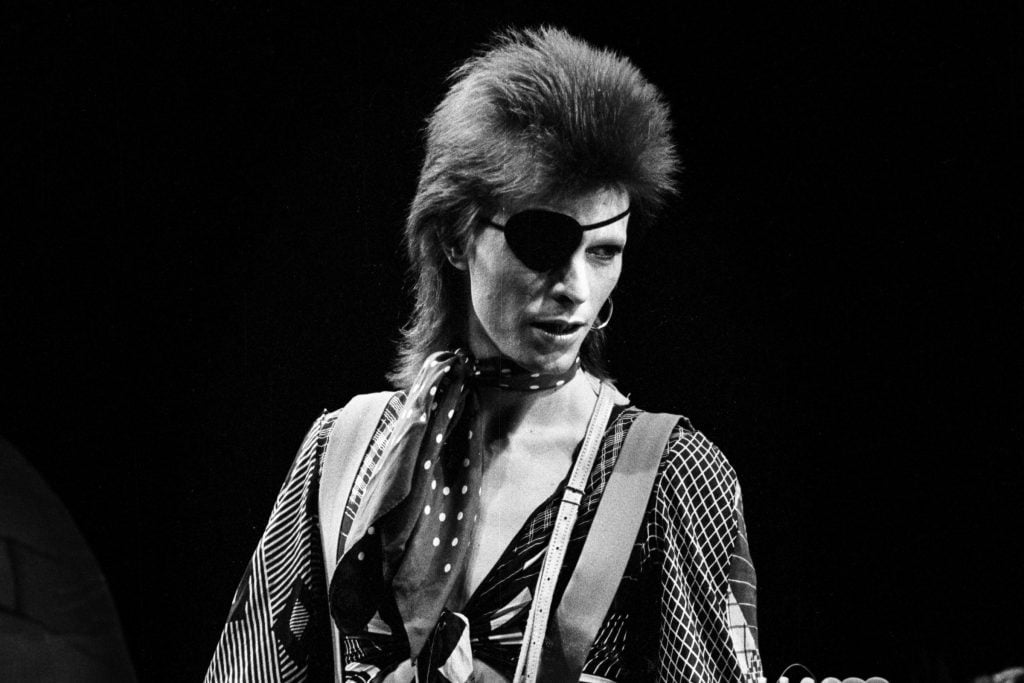
The ‘70s brought about a new era of rock ‘n’ roll. Hair grew longer, and musicians were experimenting with androgynous looks. Most famously, David Bowie’s stage persona Ziggy Stardust popularised the shaggy glam mullet: both long and short in one, maybe with some glitter and a jumpsuit thrown in. British performer Rod Stewart also popularised the glam mullet along with T. Rex and New York Dolls. The look also went on to create the ‘80s music genre, Hair Metal (or Glam Metal), which was signified by backcombed hair and a heap of hairspray. In the modern day, artists, including Australian Amy Taylor of Amyl and the Sniffers, have been influenced by the Glam Mullet and now rock a shag cut.
Ian Gavan/Getty Images for MTV
Mohawk
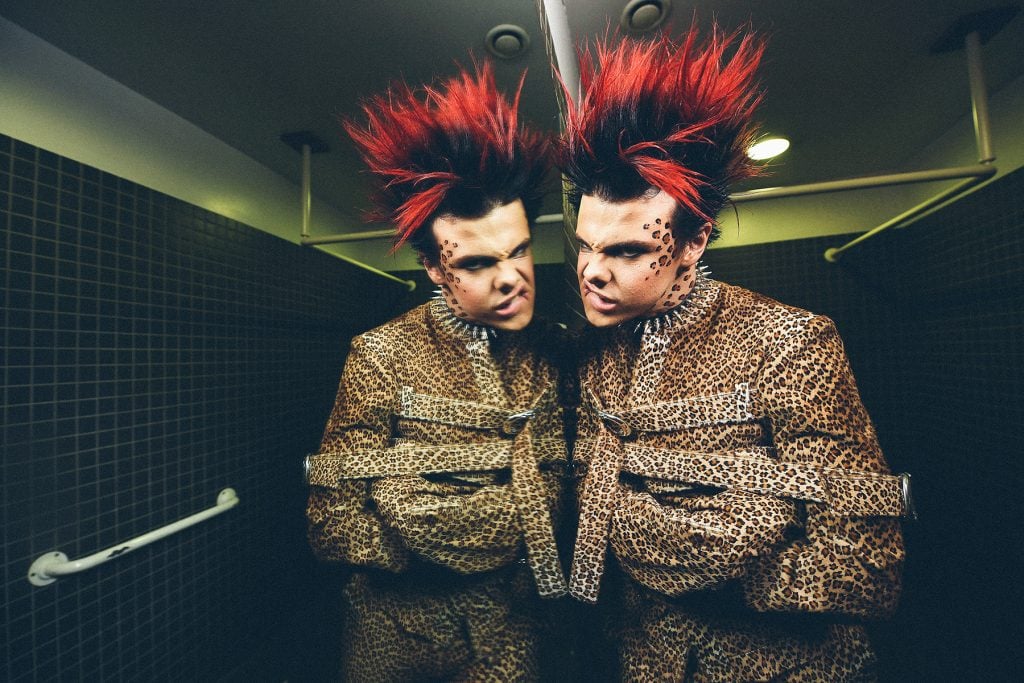
If punk had a uniform, it was the mohawk. With shaved sides and a strip of hair down the middle, styled sky-high, the mohawk remains a symbol of rebellion to this day. Popularised in the late ‘70s and ‘80s, bands such as the Sex Pistols and Joe Strummer of The Clash styled their hair as a rejection of the status quo and Britain’s Thatcher-era politics.
“Rebellion used to be about pushing against something,” says Murphy. “Now it’s often about defining yourself. Hair is still one of the fastest ways to communicate that. Every time an artist changes direction, the hair shifts with it.” A modern take on the mohawk can be seen on artists including Lil Uzi Vert and British rock artist, Yungblud.
Kevin Mazur/WireImage
Jheri Curl
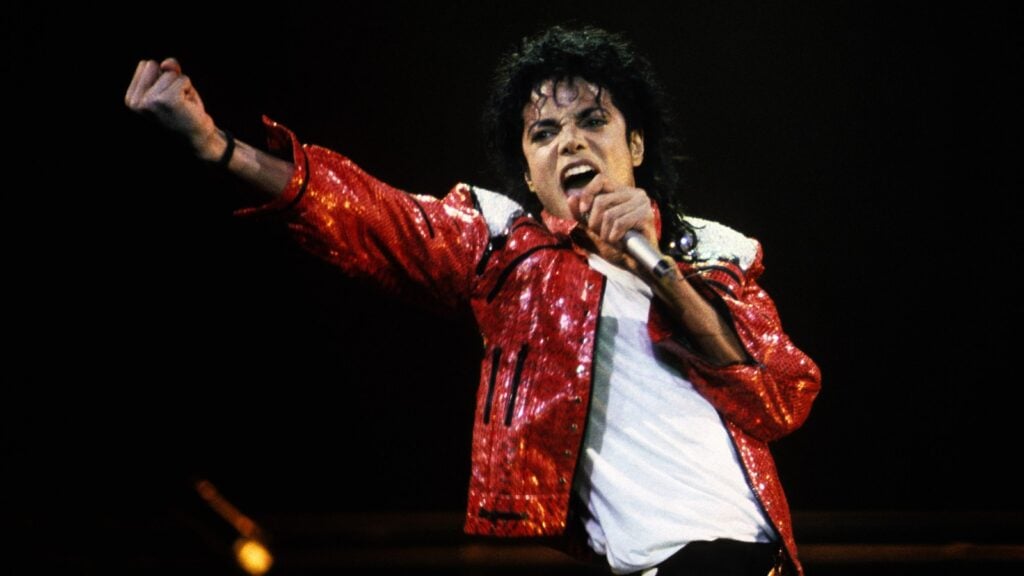
Invented by the hairdresser Jheri Redding, the Jheri curl is a defining look of ‘80s and ‘90s R&B and hip hop. Known for its glossy “wet” look, the Jheri Curl was worn by groundbreaking artists including Michael Jackson (most notably seen on the cover of Thriller in 1982), Prince, Lionel Richie and Ice Cube. The perm blended the mullet with the big hair of the ‘80s, creating a defining look in pop, electro punk and R&B subcultures.
Supplied
What’s next?
According to Kevin Murphy, hairstyles are evolving just as quickly as the culture that shapes them.
“Working between salon and session, you’re constantly around artists and ideas before they fully form. You start to understand that hair isn’t about following trends, it moves with culture.” Kevin notes that the looks that stay are the ones rooted in a musicians’ identity. “You can see it in artists who evolve slowly. Someone like Sabrina Carpenter is interesting because her hair is deliberate, almost exaggerated and overdone, but it’s completely aligned with her identity. That quiet consistency cuts through more than constant reinvention.”
Looking to recreate your favourite artists’ famous hairstyle? Kevin Murphy says the key to nailing the look is interpretation, not imitation.
“The strongest work comes from understanding the mood of a moment and translating it in your own way. Sometimes that’s texture, sometimes it’s polish, sometimes it’s restraint.” Products like Kevin Murphy’s BEDROOM.HAIR or FREE.HOLD exist for that reason, giving you flexibility to interpret artists’ hairstyles, not just replicate.
Whether you’re trying to recreate Sabrina Carpenter’s bouncy blowout, David Bowie’s glam mullet, or Amy Taylor’s shag cut, musicians’ impact on hairstyles will continue to be one of culture’s largest influencers for decades to come.

