





























This Deep Dive is part of a new Scene Report on Dunedin. Check out the series here.
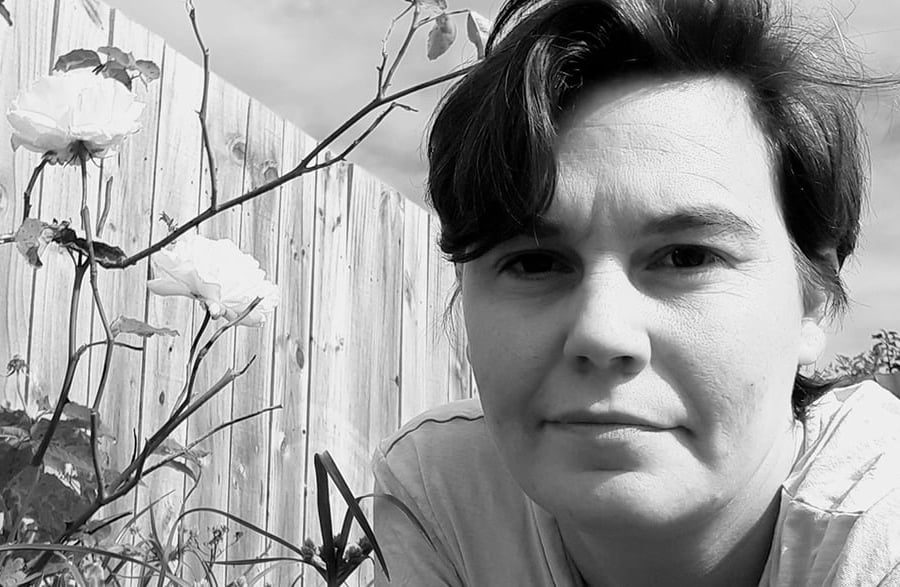
Since 2008, Funke has conjured up a multiverse of singles, EPs, albums, and collaborations, many of which have been favourably compared to the work of influential UK, European and American folk luminaries such as Vashti Bunyan, Sibylle Baier, and Liz Harris. As well as impressing critics, community radio hosts, and record store clerks across the planet, she has won over music peers like Big Thief, HTRK, and Maria Somerville with her vivid command of interiority, psychedelic dreamscapes, and ambience.
There’s a flipside to her inviting quietude. In a sense, it’s the stillness that emerges after a storm. Coming of age in Dunedin in the late 1990s and early 2000s, Funke got her start singing and playing electric guitar in two angular post-punk and rock bands, The Beaters and The Snares, followed by a stint improvising in The $100 Band with the experimental musician Alastair Galbraith, before charting her own course.
In the wake of Funke’s debut solo release, Lace, listeners began to weave myths around the music, presenting her as an enigmatic figure, toiling away in isolation at the ends of the earth. Uniting fans of homespun, private-press folk music, lovers of the lo-fi sensibilities associated with the Flying Nun label, and the D.I.Y. experimental music scenes that congregate around performance spaces like London’s Cafe OTO, her music earned her a cult fanbase from Otago to Ireland.
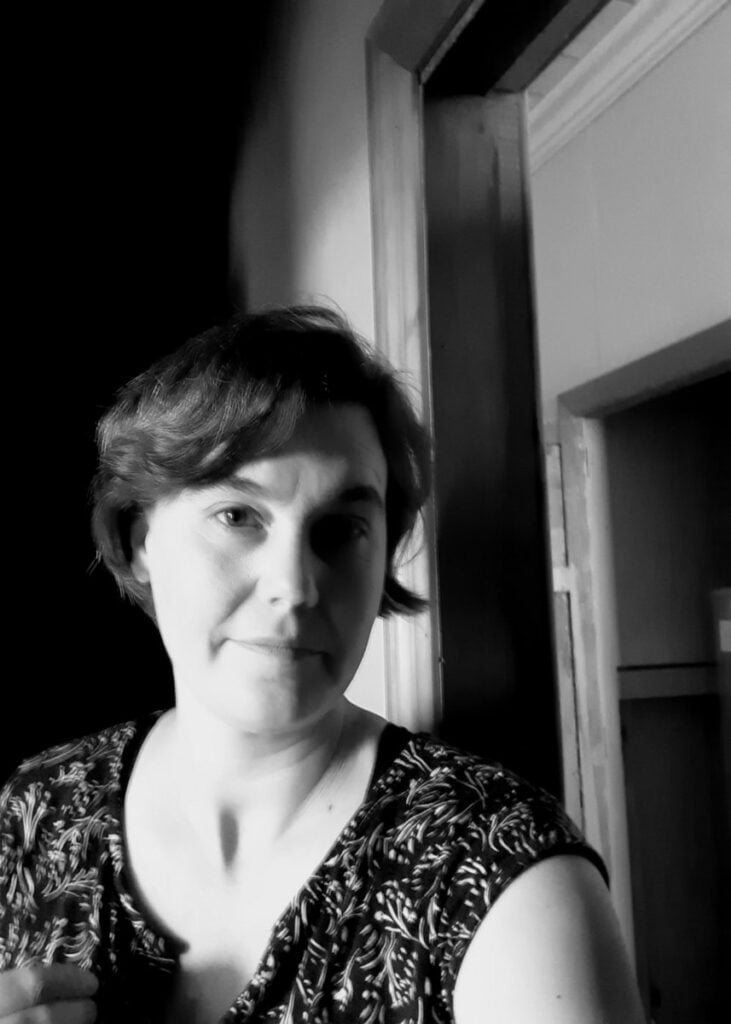
Credit: Supplied
In conversation, it quickly becomes clear that Funke doesn’t worry much about the specifics of legacy, impact, and audience. As the critic Tony Stamp observed on RNZ’s Music 101 show in 2025, “She’s the kind of musician with complete apathy toward traditional markers of success, but whose need to create is a crucial part of life.”
When I listen to Funke’s work, I think about the creative value of detaching yourself from the outcome and truly revelling in the process. I also think about the distance between the images we create of artists in our minds and the visceral realities of their lives. Funke isn’t a riddle, wrapped inside an enigma. She’s a human being, just like the rest of us. In a similar tradition to the late, great American short story writer Raymond Carver, we’re contending with a close observer. She understands how we live with ourselves, how we live with those around us, and what it means to be haunted by ghosts. Sometimes, in the tradition of the English gothic fantasy author Joan Aitken, the ghosts aren’t just figurative, they’re literal as well.
Carver traded in stark realism and life’s fractures. Aitken took the mundane moments that make up much of our lives and pushed them through the looking glass. Funke can do her versions of Carver, but while shimmering in a similar multiverse to Aitken, her songs evoke the grandeur of landscapes where the veil between realms feels thin enough to cross. If there’s any mystery to be solved here, it’s the mystery of life. But sometimes it’s enough to simply savour a moment and really sit in it. Therein lies the energy that makes her songcraft so potent, calm, and healing.
Love Music?
Get your daily dose of everything happening in Australian/New Zealand music and globally.

Here’s our guide to ten of Maxine Funke’s albums, compilations and singles for you to dive into.
Lace (New Best Way, 2008)
Originally issued as a CD-R with a hand-painted sleeve through Alastair Galbraith’s Next Best Way label, Funke’s solo debut is a haunting collection of vignettes set against dreamy guitar, violin, and piano. Enshrouded in tape hiss, bird song, and the sounds of everyday life, the music feels as thoroughly lived in as your favourite secondhand jumper. Fittingly, Funke spent four years writing Lace before recording it with Galbraith, who assisted with accompaniment and production. In a testament to the album’s atmosphere and resonance, it was reissued on vinyl in 2016 by the bespoke American label Time-Lag Records.
Felt (Epic Sweep, 2012)
Four years later, Funke built on Lace’s hazy, bedsit intimacy in subtle but powerful ways with Felt. Alternating between enveloping storytelling and instrumental interludes, the album features “secondhand store”, a meditation on the relationship between the joys of thrift shopping and her reservations about marriage. Funke recorded Felt on a 4-track tape recorder in her bedroom while living in a small fishing village near Dunedin. It arrived in a run of 100 copies through the D.I.Y.-minded Wellington label, Epic Sweep Records, before being reissued by Time-Lag Records and Digital Regress in 2016 and 2019, respectively.
Silk (Feeding Tube Records, 2018)
I think of Silk as the third act of Funke’s fabrics trilogy. In a similar mode to Felt, the album toggles between introspective songwriting intertwined with acoustic guitar figures, and brief but oddly retrofuturistic instrumental sketches composed on an old synthesiser. In a review for NPR’s All Songs Considered’s Vikings Choice segment, Lars Gotrich described her songs as, “…for the quiet corners of your dreams and fears, where her whispers float upward like warm air.” Throughout Silk, Funke is occasionally accompanied by Galbraith on glass harmonium and drums, and motem on beats.
Eternity (I Dischi Del Barone, 2018)
Released the same year as Silk, Eternity is a tight 4-track EP which originally arrived as a 7” record for Swedish sound artist Matthias Andersson’s I Dischi Del Barone label. It opens with the acoustic singer-songwriter-slanted title track, across which Funke describes a person, a coastal setting, and a house in a vividly realised stream-of-consciousness style. Across the rest of the EP, she mixes seaside field recordings with programmed beats (via motem), then offers sentimental but unadorned reflections on making dreams, eating nice things like zucchini cake, and the surprising complexity of living a simple life.
home fi (brierfield flood press, 2018)
As you may have surmised by now, 2018 was a busy year for Funke. Alongside Silk and Eternity, she embarked on a short Australian tour. To accompany those shows, brierfield flood press sold a cassette of intimate demos, home fi. On the title track, an eerie organ accompanies her ethereal voice and delicate, autumnal guitarwork. The combination is magic. If you need a soundtrack for wandering over mountains or gazing out to sea, this is the collection. Funke even has her Twin Peaks moment on “Icelandic”. In 2019, home fi was repressed on vinyl by the US label Feeding Tube Records.
Seance (A Colourful Storm, 2021)
When I listen to Seance, I often imagine surveying the landscape around me in the morning after a fierce storm. Every nook and cranny of the album is stuffed with elements redolent of Funke’s previous work, while simultaneously feeling like a fresh start after a private apocalypse. Seance also seems to signpost a turning point in her visibility. On release, it was celebrated by Pitchfork, PopMatters, and the Sydney Morning Herald. Ostensibly, these are gentle, confessional songs, but when you listen closer, Funke’s memories pack some serious punch. Be careful with the windswept brilliance of display here, it may well leave you winded.
Pieces of Driftwood (Disciples, 2022)
Released through the Warp Records imprint Disciples, Pieces of Driftwood is a collection of non-album singles, compilation tracks, and previously unreleased material from Funke. In a sense, calling it a collection or compilation is a disservice. In reality, it feels closer to a mixtape you’d record to convince a friend of the merits of one of your favourite artists. Across fifteen tracks, her signature acoustic singer-storyteller stylings sit alongside moments of drum-machine improv, chopped-up tape loops, and haunted cello-meets-synthesiser lounge music. On “South Dunedin”, Funke sings with a sleepy tone and the optimism of a perfect pink sunrise.
River Said (Disciples, 2023)
A year after Pieces of Driftwood, Funke followed up with one of the most refined and concise albums in her discography, River Said. Again pressed by Disciples, the LP is a game of two halves. On the A-side, she offers up some of the most delicate folk songs she’s committed to wax, like the simultaneously intimate and expansive “Willow White”. On the flip, she treats us to two avant-garde-minded pieces driven by cello, field recordings, and delay effects. “Long Beach” evokes a dreamlike coastal sunset. Meanwhile, “Oblivion” lands in an art-pop zone that sits nicely alongside Arthur Russell.
“Clear” / “Saturdays” (World of Echo, 2024)
“Clear” / “Saturdays” is a double single Funke signed to the London record store World of Echo’s label. Issued as a 10” lathe cut, the songs were accompanied by a hand-stamped sleeve and a risograph insert sheet. It’s a genuine collector’s item, but what really animates the magic here is the combination of her voice, acoustic guitar and keyboards. On “Clear”, Funke recalls working a night shift and being overwhelmed by the scale of the stars above. From there, the song unfolds as a maze of memories. On the b-side, “Saturdays” reframes the sixth day of the week as a mystical realm.
Timeless Town (Kashual Plastik, 2025)
Across Timeless Town, Funke puts down the acoustic guitar, swapping her pastoral sensibilities for a new-age synth soundscape that recalls Beverley Glenn Copeland’s Keyboard Fantasies or Julee Cruise’s Twin Peaks-era work. On a practical level, her shift from acoustic guitar to keyboard was due to an RSI in her shoulder. That said, necessity is often the mother of invention. Although in this scenario, her injury offered a powerful way forward, the results are still imbued with a gossamer quality. Funke is fragile when she needs to be, but she’s firm as well. Let her music sweep you away.

