



























At a time when Australian music festivals are increasingly spoken about in the past tense — an “extinction event” that’s already claimed heavyweights like Splendour in the Grass and Groovin the Moo — Byron Bay Bluesfest stands as something of an outlier.
Not just a survivor, but a thriving one.
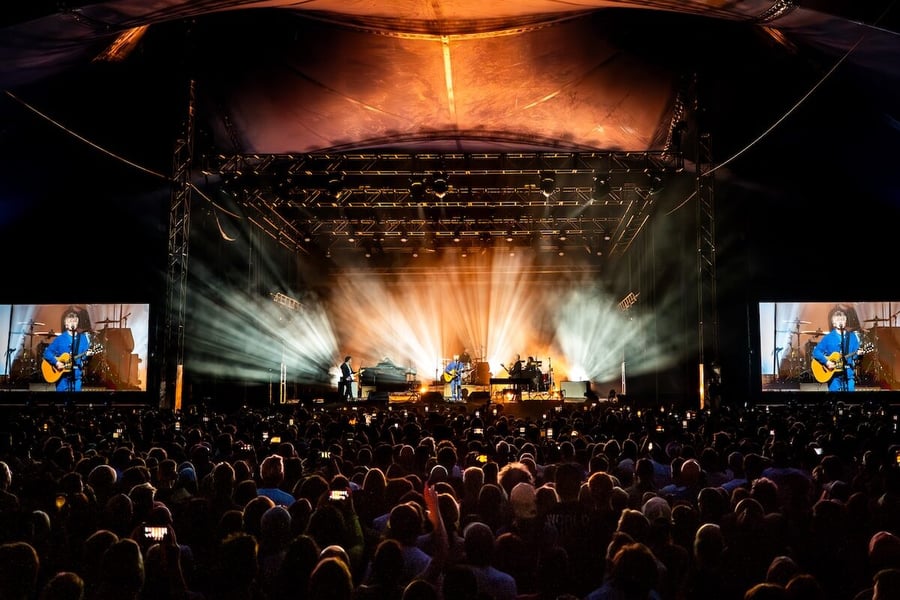
The 2025 edition didn’t limp over the line. It roared. Across the Easter long weekend, Bluesfest welcomed 109,000 punters through its gates; its third-highest attendance ever, and the strongest showing since before COVID reshaped the live music landscape.
While many of the so-called “party festivals”, built on youth hype, EDM drops and social-media spectacle, have struggled under the combined pressure of rising costs and changing habits, Bluesfest has quietly proven that a different model still works. One built on legacy, musicianship and community.
The key to its longevity — running annually since 1990 (aside from 2020 and 2021’s COVID-restricted cancellations) — lies in what it hasn’t chased. Where other festivals narrowed their focus to a youth demographic and “Instagrammable” moments, Bluesfest has stayed deliberately multi-generational. Young families, retirees, first-timers and seasoned gig-goers all roam the same paddocks, drawn by the music rather than the scene around it.
That “music first” philosophy shapes everything. It creates a relaxed, safe atmosphere that’s largely insulated from the volatility of youth culture, while the lineup itself forms a bridge between eras. Blues legends like Buddy Guy sit comfortably on the bill alongside contemporary roots, rock and soul artists — sometimes even hip hop acts like Hilltop Hoods — ensuring the crowd reflects the breadth of the billing.
Then there’s ownership, an increasingly rare point of difference in a festival market dominated by global operators. Bluesfest remains fiercely independent and Australian-owned, something Festival Director Peter Noble OAM has long made clear.
Love Music?
Get your daily dose of everything happening in Australian/New Zealand music and globally.

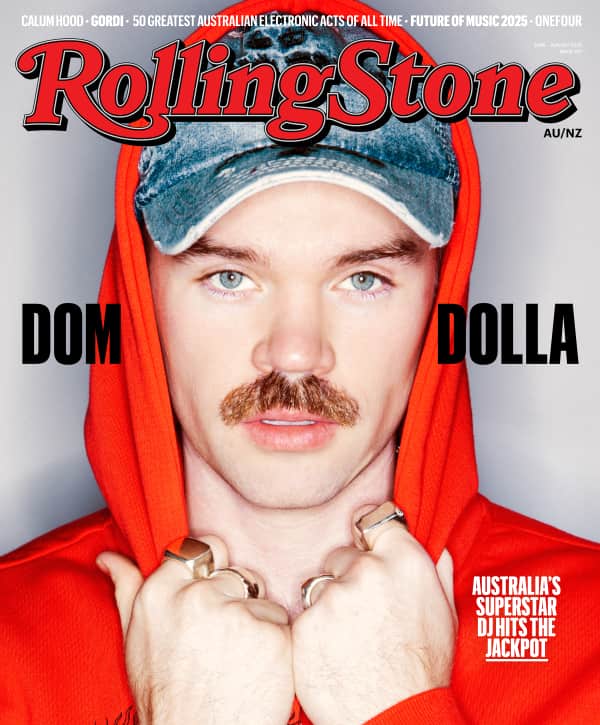
That independence matters. It allows for decisions and pivots that corporatised festivals might shy away from. In 2023, as others were scaling back or cancelling altogether, Bluesfest chose to expand, announcing metro events in Melbourne and Perth with partners Mellen Events and The Prestige Presents. “If you’re living in the past, or you’re living in the future, you’re not living in the now,” Noble told Rolling Stone AU/NZ. The sentiment speaks to an adaptability that’s helped keep the brand relevant while others stalled.
Beyond the headline acts, Bluesfest also offers a depth of cultural engagement that sets it apart. The Boomerang Festival, held within the Bluesfest precinct, provides a dedicated space for Indigenous music, dance and arts. It turns the weekend into more than just a series of concerts, offering a meaningful connection to Country that’s often absent from the mainstream festival circuit.
Reflecting on the 2025 turnout, which was initially touted as the event’s final year, Noble said simply: “We’re the top-selling festival in the country, and we’ve worked hard to get here.” The numbers back him up: from two consecutive years of 70,000 attendees post-COVID to 109,000 in 2025. While the “party festival” may be heading into hibernation, the appetite for genuine, community-driven live music is clearly still there.
Bluesfest isn’t just surviving the extinction event, it’s evolving through it, quietly proving that in the Australian festival market, authenticity still counts for everything.

