
























Home Music Music Lists

The Best Australian & New Zealand Songs of the 21st Century So Far

Presenting our favourite Australian and New Zealand songs of the 21st century so far, featuring Lorde, Kylie, Powderfinger, Stan Walker, and more

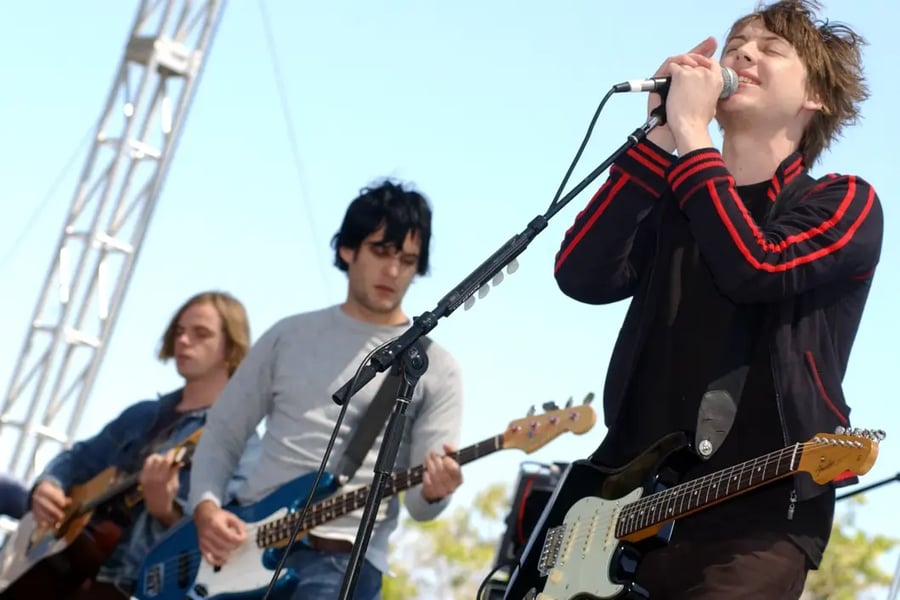
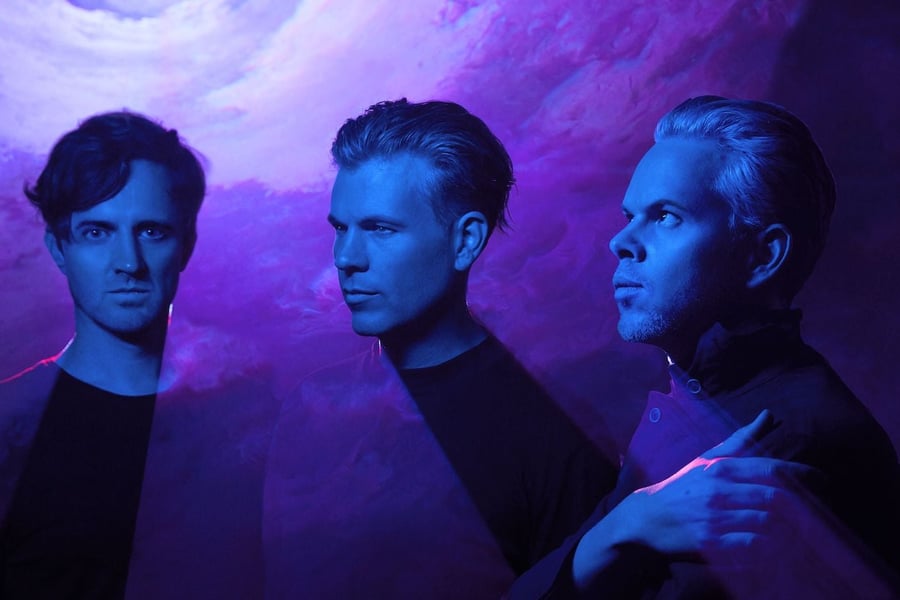
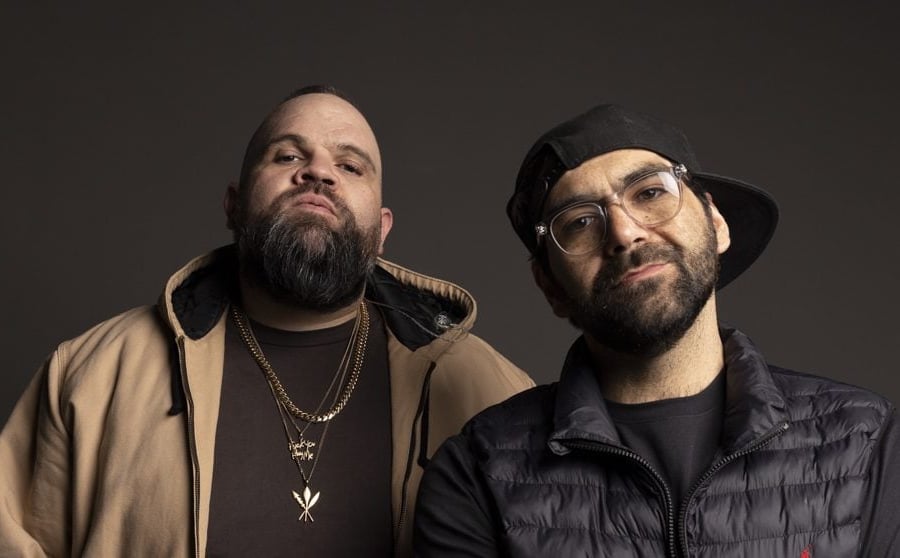
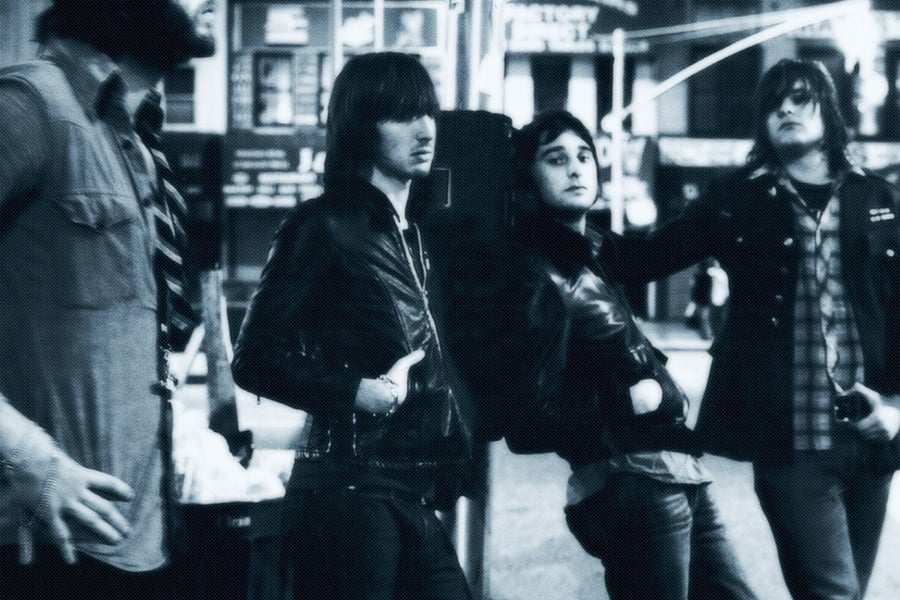
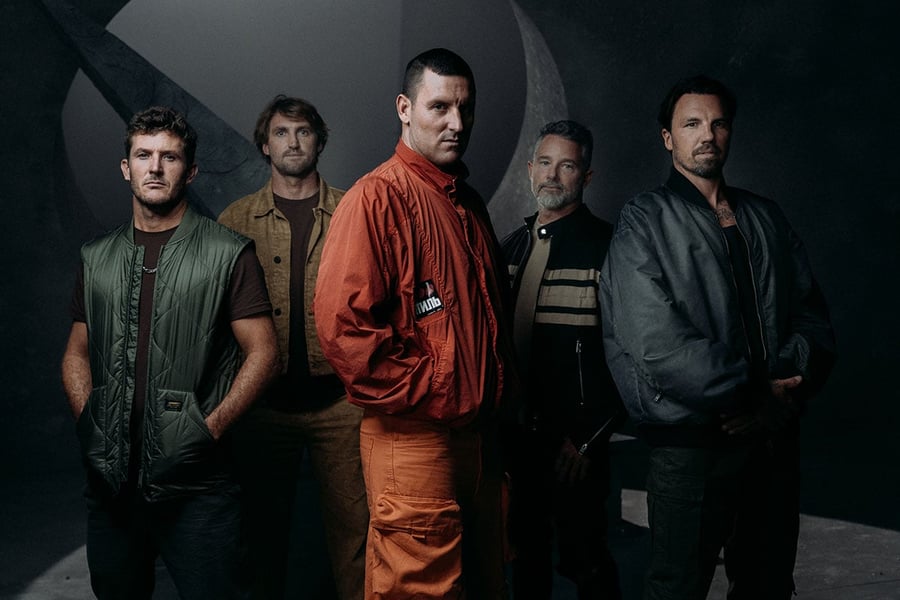
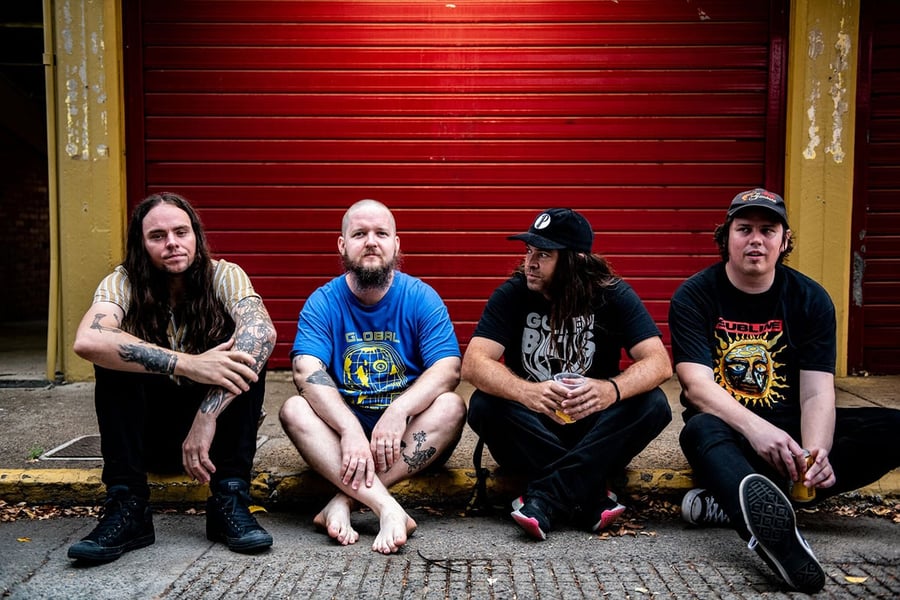
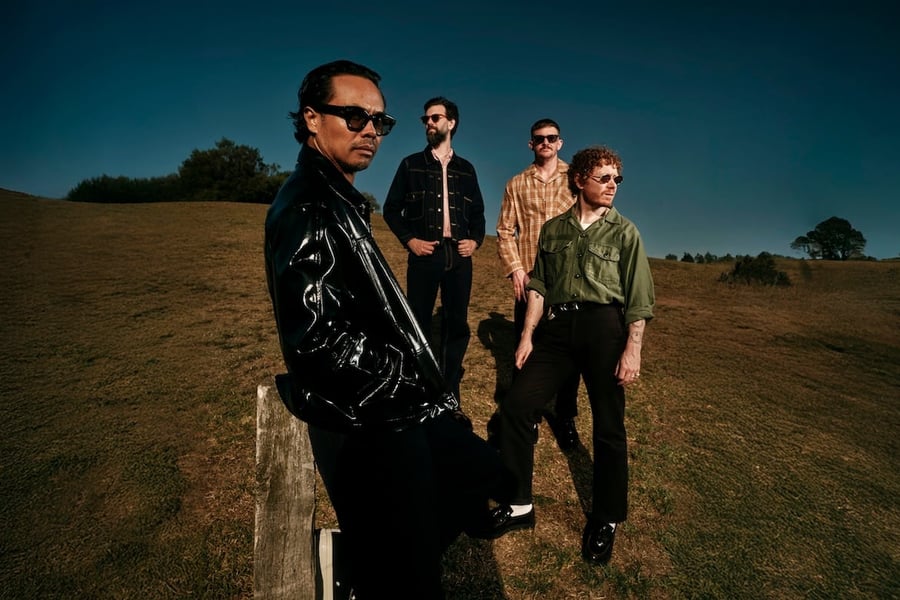
Photo illustration featuring Australian and New Zealand artists

Presenting the best Australian and New Zealand songs of the 21st century so far.

Our editorial team spent the past few months locked in debate, listening to as much music from across our two countries as possible.

After consulting with key industry figures and artists, we finally settled on a top 300.

“Curating a list of 300 from the past 25 years has been a wonderfully nostalgic and challenging feat for the team, and that is a testament to the incredible music Australian and New Zealand artists have produced this century,” says our Editor-in-Chief Neil Griffiths.

“From music royalty, to genre favourites, to the best up-and-coming talent, there’s something in this list for every Australia and New Zealand music fan.”

There were only a few rules, so as to keep the list as flexible as possible. We capped the number of songs per artist at three, in the interests of fairness; Kylie, Tame Impala, and The Beths, to name just a few, could have filled up the top 300 on their own. Artists had to be born in Australia and New Zealand, or based in either country for at least five years

The most important thing we kept in mind was the following: entry was not subject to popularity or airplay, but rather musical brilliance and originality.

Love Music?

Get your daily dose of everything happening in Australian/New Zealand music and globally.

This is not a countdown of the biggest commercial hits of the century; far from it. There are lots of chart-topping singles, of course, but there are just as many indie and underground songs that we think sound as good as anything from the mainstream.

It’s important to note, for any keyboard warriors currently cracking their fingers in anticipation, that we know our list isn’t definitive: like comparing Maradona with Messi, Jordan with LeBron, working out if a streaming behemoth from 2021 is better or worse than a radio mainstay from 2002 is near-impossible.

But we think our top 300 does an excellent job of representing the incredible diversity of Australian and New Zealand music since the turn of the century.

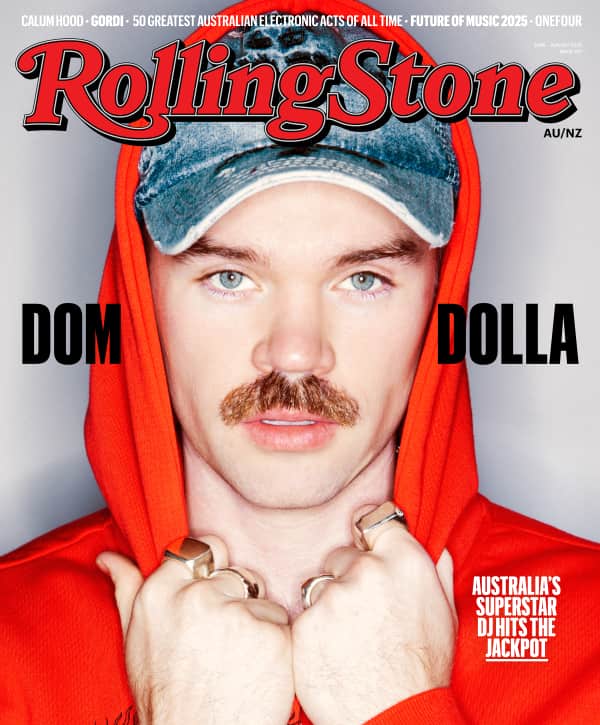
You can trace, for example, the development of electronic music on these shores, from the early Modular acts to modern superstars like Dom Dolla and Alison Wonderland. You can compare the strengths of Aussie and Aotearoa hip-hop, from the old masters to new stars.

Some of our most seminal record labels are represented — think Milk!, Chapter, Dawn Raid — as are the genres and movements that defined the past few decades — think the pub-rock resurgence, the increased domination of drum and bass, and the underrated and maligned ‘dolewave’.

What we hope you get out of our list, more than anything, is a renewed love of music discovery — that’s what putting it together did for us. We hope you find a song by your new favourite artist and then support them the next time they play a show in your town; we hope you remember just how good that old band your family used to play constantly on car journeys actually are. In this era of stan culture and algorithmic playlists, breaking out of our bubbles and listening to new songs has never been more important.

In other words, have fun! Read on, turn up the music, and explore to your heart’s content. —Conor Lochrie

Blurbs written by Neil Griffiths, Conor Lochrie, James Jennings, Jade Kennedy, Lauren McNamara, Alec Jones, Andrew Mast
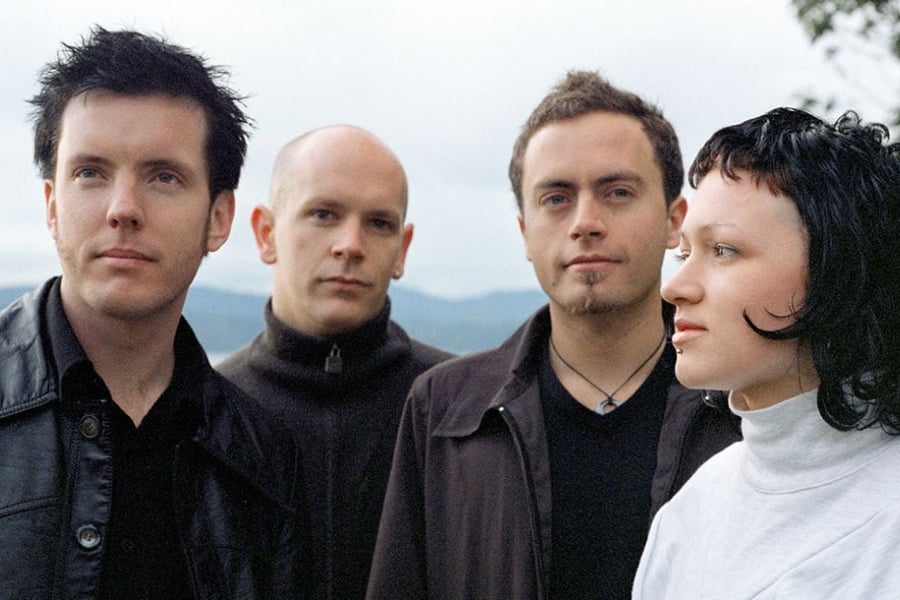
The Naked and Famous
44

The Naked and Famous, ‘Young Blood’ (2010)

If you want to know exactly what 2010 sounded like, “Young Blood” from New Zealand’s The Naked and Famous is a good place to start.

Featuring abundant synths, a heady mix of youthful exuberance blended with wistful nostalgia and a shout-along chorus, “Young Blood”, the second single from the band’s debut album Passive Me, Aggressive You, confidently channels the same vibe that world-beaters like MGMT and M83 made their names on.

Proving just how zeitgeist-grabbing “Young Blood” was, it debuted at No. 1 on the New Zealand Singles Chart and received the 2010 Silver Scroll Award for Song of the Year.

“Young Blood” was also used in countless commercials, movies and TV shows, including the iconic Gossip Girl, but its true measure of success is the fact that it sounds just as fresh and joyful 15 years on.  —James Jennings

Savage
43

Savage, ‘Swing’ (2005)

If you were hitting dancefloors in the 2000s and didn’t partake in the “Savage, where the chorus at?” cry, you were at the wrong place.

After hitting No.1 in New Zealand following its release in 2005, the South Auckland artist’s song enjoyed US success after featuring in the 2008 comedy film, Knocked Up, and a 2008-released remix with US rapper Soulja Boy. —Neil Griffiths

Lorde

Joseph Okpako/WireImage

42

Lorde, ‘Ribs’ (2013)

Taken from Lorde’s 2013 debut album Pure Heroine, “Ribs” remains a firm fan favourite for good reason.

A stalwart of her live sets, “Ribs” pushed the Kiwi singer into indietronica territory. Building from its quiet chorale intro, a pulsing bass pushes Lorde’s vocal delivery from forlorn to almost-manic as lost youth is mourned and the future is anxiously contemplated. —Andrew Mast
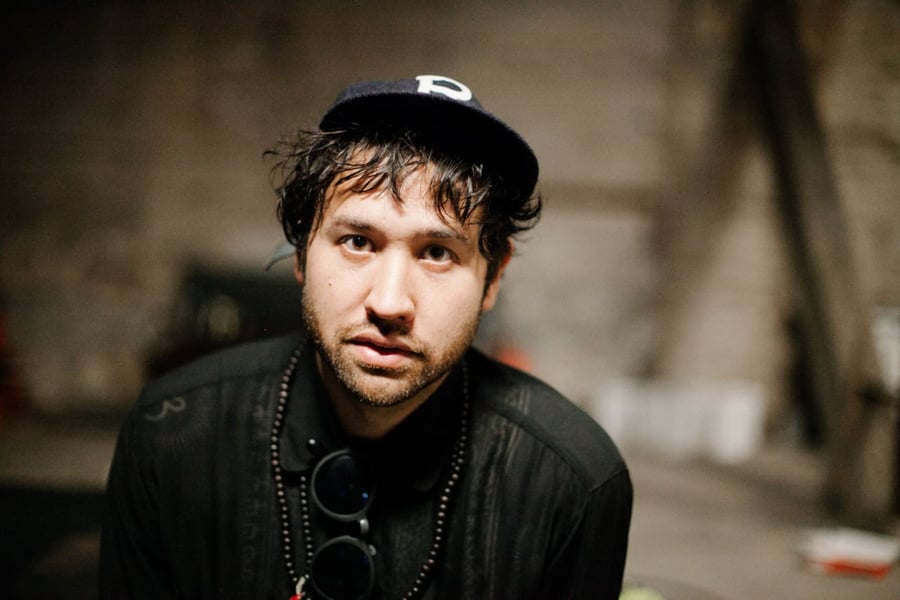
Julia Jacklin

Derek Henderson*

41

Julia Jacklin, ‘Don’t Know How to Keep Loving You’ (2019)

Truly heartbreaking indie-folk. Jacklin holds nothing back on one of her most vulnerable songs yet, questioning her love for an unnamed partner. Jacklin’s song makes us keenly aware of the desperation that comes with falling out love with someone. —Conor Lochrie

Silverchair

Tony Mott

40

Silverchair, ‘Straight Lines’ (2007)

After a five-year hiatus, Silverchair returned with “Straight Lines”, a song that simultaneously honoured their past genius while forging an exciting new future.

The lead single from their final album, Young Modern — co-written with The Presets’ Julian Hamilton — the song is a massive, soaring anthem built on a driving new-wave bass and a stadium-sized orchestral arrangement.

Its colossal success — dominating the charts and sweeping the ARIA Awards — proved that Silverchair’s power to define the sound of Australian rock remained absolutely untouchable. —Jade Kennedy

Thelma Plum

Supplied

39

Thelma Plum, ‘Better in Blak’ (2019)

The title track from Plum’s ARIA-winning debut album is a defiant, emotionally rich anthem about reclaiming Indigenous identity, finding strength in self-acceptance, and rising above racist criticism.

Built on a massive, soaring chorus and Plum’s clear, resolute vocal delivery, the song resonated deeply across the nation.

Its overwhelming success, including a massive presence in the triple j Hottest 100, cemented its status as one of the most vital, empowering, and necessary Australian songs of the 21st century. —Jade Kennedy

King Gizzard & the Lizard Wizard

Maclay Heriot

38

King Gizzard & the Lizard Wizard, ‘Gamma Knife’ (2016)

Recorded in New York’s Daptone Studios, “Gamma Knife” was included on King Gizz’s eighth studio album, Nonagon Infinity.

This is King Gizzard stripped back to basics — a straight-up bar-room boogie rhythm, a raucously catchy chorus, and raw guitar riffing. It’s a psychedelic garage rock classic for a reason, and remains one of the band’s most played live songs to this day. —Andrew Mast

Princess Chelsea
37

Princess Chelsea, ‘I Love My Boyfriend’ (2018)

A deceptively clever indie-pop song that fooled hundreds and thousands of young listeners carried away by its intoxicating art concept and music video.

Princess Chelsea’s best song to date is much deeper than the surface-level readings it’s afforded: dig under the sugar-coated pop instrumentation and you’ll find mordant lyrics about the difficulties of modern romance. —Conor Lochrie

Vance Joy

Celina Martins

36

Vance Joy, ‘Riptide’ (2013)

What hasn’t “Riptide” achieved? Released in 2013, Vance Joy’s ukulele-led single went on to become the first ever Unearthed track to win a Hottest 100 countdown and holds the title for the longest-charting song in ARIA chart history at a whopping 360 consecutive weeks.

Throw in a few APRA Awards and over one billion streams — “Riptide” is secured in Australian music history as one of the most beloved and enduring songs. —Neil Griffiths

Wolfmother
35

Wolfmother, ‘Woman’ (2006)

In a time dominated by indie rock, Wolfmother launched a massive, successful offensive with a pure, unapologetic shot of ‘70s psychedelic hard rock.

“Woman”, taken from their blockbuster debut, is built around one of the best guitar riffs of the century, coupled with Andrew Stockdale’s signature vocal delivery.

The song earned them a 2007 Grammy Award for Best Hard Rock Performance and became a global phenomenon through relentless sync licensing, cementing its place as a crucial and universally loved modern rock classic. —Jade Kennedy

The Vines
34

The Vines, ‘Get Free’ (2002)

For those who weren’t privy to the buzz around The Vines’ live sets and early singles, “Get Free” appeared like a bolt from the blue.

It may not have been the band’s biggest hit at the time but it has lived on as a defining anthem of its era. “Get Free” revelled in the dirty rock sound that dominated the early part of the century’s first decade, and The Vines were hailed alongside the likes of The Strokes, White Stripes, Jet, and The Hives as a result.

A short, sharp blast of scuzzy energy, singer Craig Nichols screams the house down on “Get Free” as his bandmates serve him up scorching guitar licks and a manic bass and drums combo. —Andrew Mast
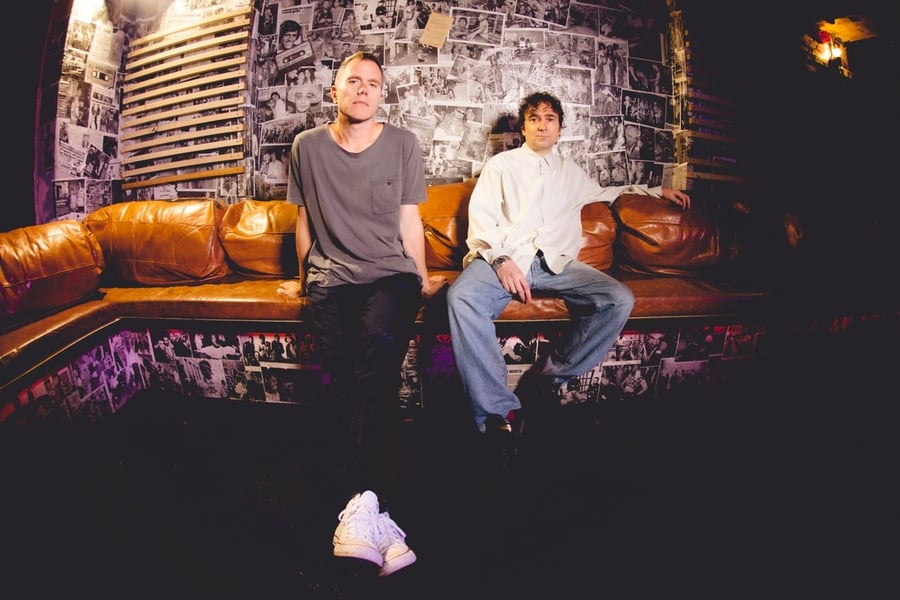
PNAU
33

PNAU, ‘Chameleon’ (2016)

PNAU were already considered major dance pioneers by the time that “Chameleon” dropped in 2017, but it helped stamp their place as one of the country’s most legendary acts.

The first single from fifth album, Changa, “Chameleon”, featuring Kira Devine, became their highest-charted song in Australia (No. 4) and won the ARIA Award for Best Dance Release. —Neil Griffiths

Che Fu
32

Che Fu, ‘Fade Away’ (2001)

Che Fu’s best song (unless you’re partial to “Misty Frequencies”).

Taken from his second album Navigator (2001), “Fade Away” stayed in the New Zealand charts for months on end, peaking at No. 2. It showed up well during awards season too, winning Single of the Year and Best Music Video at the 2002 NZ Music Awards. —Conor Lochrie

A.B. Original
31

A.B. Original, ‘January 26’ (2016)

One of the most significant and important songs in Australian music history, “January 26” sparked a national conversation that was long overdue.

Released in August 2016, the fifth and final single from Briggs and Trials’ debut album, Reclaim Australia, made such an impact that the following year’s Hottest 100 was the last time that the countdown took place on January 26th. “If you want to be let in the house, you lower your voice and you speak softly. You have the different cup,” Trials told Rolling Stone AU/NZ.

“And we say, ‘Fuck your house and fuck your cup,’” Briggs said. “We’re gonna build our own house on our own street and allow other fellas to have dreams as well. And they’ll understand their worth is as good as anyone’s.” —Neil Griffiths

Jet

Live Nation

30

Jet, ‘Are You Gonna Be My Girl’ (2003)

The lead single from Jet’s multi-platinum debut Get Born, this song is pure, unadulterated rock and roll swagger.

“Are You Gonna Be My Girl” hits with an immediate, raw urgency, a perfect three-and-a-half minute blast of attitude, catchy hooks, and youthful exuberance.

The song is a masterclass in minimalist rhythm, proving that simplicity, combined with undeniable charisma, can conquer the world. —Jade Kennedy

The Mint Chicks
29

The Mint Chicks, ‘Crazy? Yes! Dumb? No!’ (2006)

A seminal slice of New Zealand indie music.

Before their Unknown Mortal Orchestra era, Ruban and Kody Nielson formed beloved noise-rock band The Mint Chicks, a distinctly DIY unit who revelled in being unpredictable and a little bit unhinged.

They built up a cult following thanks to songs like the title track from their acclaimed second album, Crazy? Yes! Dumb? No!, which was all the proof that was needed that the Nielson brothers had the writing and rhythmic chops to stand alongside any other band in 2000’s guitar music. The title track sounds as ecstatic as it did almost 20 years ago. —Conor Lochrie

Hilltop Hoods

Ashlee Jones

28

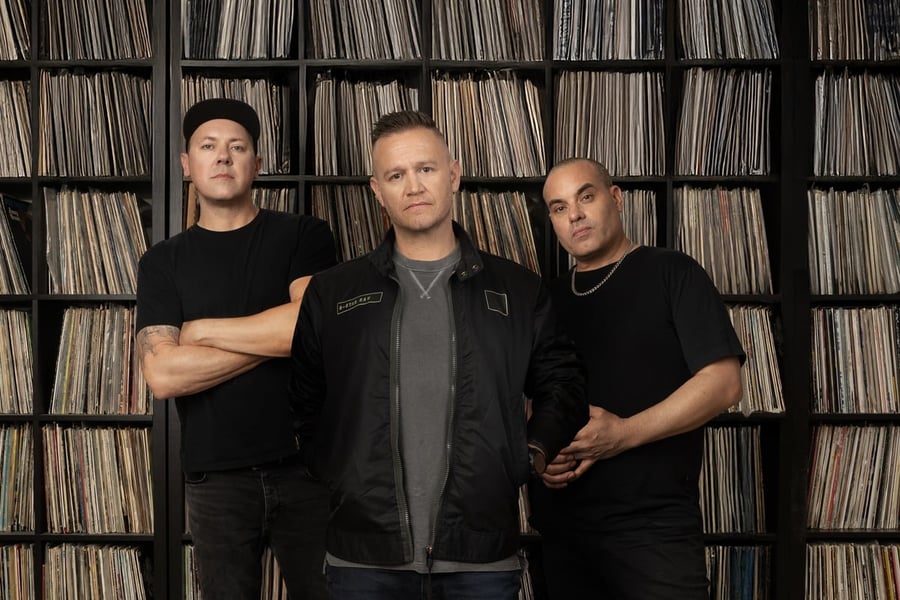
Hilltop Hoods, ‘The Nosebleed Section’ (2003)

Before 2003, Australian hip-hop existed largely outside the mainstream; after “The Nosebleed Section”, all of that changed.

This song is the definitive breakthrough anthem that proved local hip-hop could be both lyrically insightful and commercially massive.

Built on a perfect, laid-back Melanie Safka sample and sharp, sincere storytelling, the song serves as a dedication to their loyal fanbase, who have been debating the definition of “nosebleed section” (Is it the back of the crowd? Or the front?) since its release.

Its massive success legitimised Australian hip-hop and set the stage for the genre’s — and band’s — dominance for the next two decades. —Jade Kennedy

Gang of Youths

Ed Cooke*

27

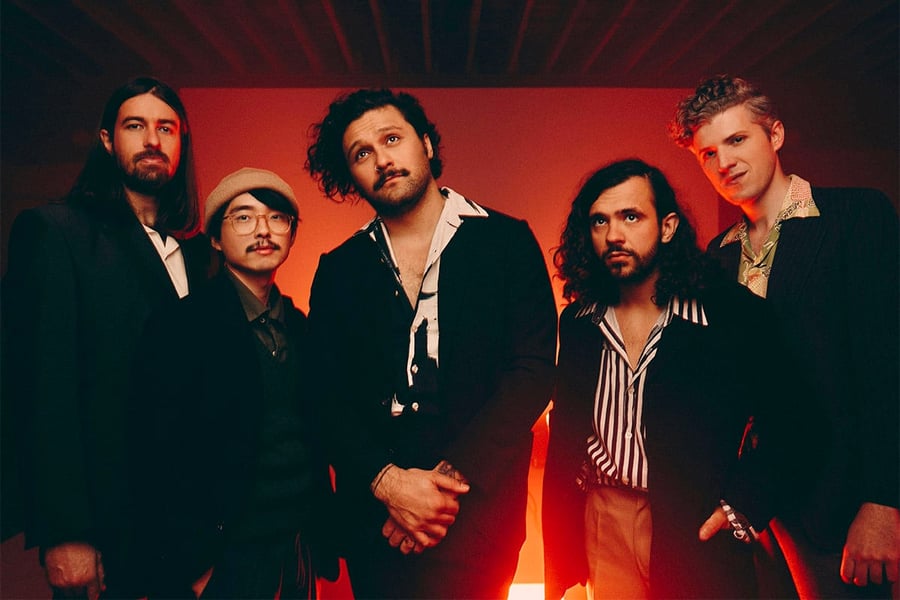
Gang of Youths, ‘Magnolia’ (2015)

Written by frontman Dave Le’aupepe following a week-long bender and a suicide attempt, “Magnolia” doesn’t just tell you about pain and devotion, it truly makes you feel it.

Le’aupepe’s raw vocals turn a personal crisis into a universal anthem, and the emotional honesty really connected hard with listeners — the song landed at No. 21 in triple j’s Hottest 100 in 2015 and later placed No. 6 in the Hottest 100 of the Decade.

It became the breakout hit from The Positions (2015), propelling the album to three ARIA Award nominations and establishing Gang of Youths as one of Australia’s most compelling bands. —Lauren McNamara

Kasey Chambers

Chloe Isaac

26

Kasey Chambers, ‘Not Pretty Enough’ (2002)

Kasey Chambers delivered one of the most honest and universally relatable anthems of the century with this self-deprecating masterpiece.

The song, taken from her blockbuster album Barricades & Brickwalls, is a driving piece of alt-country that turned the personal anxieties of self-doubt and media scrutiny into a massive, unifying singalong.

Its infectious country-rock rhythm and the raw, conversational honesty of the lyric — addressing the struggle between authenticity and image — resonated across all genres, cementing her status as a genuine Australian superstar and a vital storyteller. —Jade Kennedy

Ladyhawke
25

Ladyhawke, ‘My Delirium’ (2008)

Bringing the energy of her garage-rock roots to a post-electroclash era, Ladyhawke, aka Pip Brown, landed at just the right time with a song that evoked the ’80s new wave sound that DJs were crate-digging for in 2008.

“My Delirium” exudes an urgency through its driving beats while Brown delivers a straight-to-the-guts vocal punch as the song swirls to a giddy climax. And there’s that breakdown with the soothing guitar and mellow keys that suddenly give way to an all-out glam stomp. —Andrew Mast
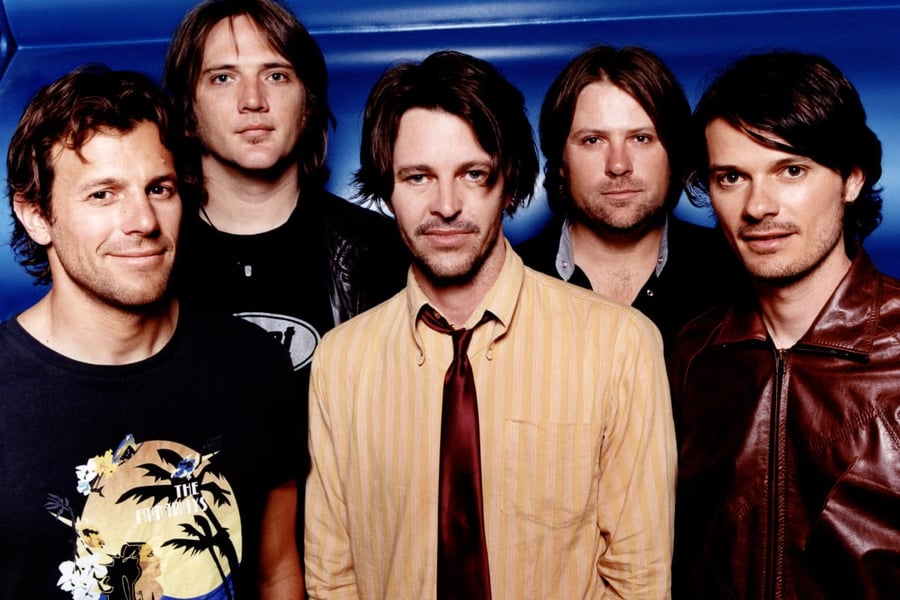
Parkway Drive

Third Eye Visuals

24

Parkway Drive, ‘Vice Grip’ (2015)

Parkway Drive quickly established themselves as the biggest band in metalcore in the 2000s, but today they are one of Australia’s biggest bands in any genre, and “Vice Grip” is a perfect example why.

Featured on their 2015 album, Ire, the track about facing your fears has a bit of everything: heavy metal, rock, anthemic chants, and a guitar riff you can’t get out of your head.

Parkway Drive have previously said “Vice Grip” was a turning point for the band, and they’re not wrong. They just forgot to mention it was a turning point for metalcore in Australia, too. —Neil Griffiths

Violent Soho

Ian Laidlaw*

23

Violent Soho, ‘Covered in Chrome’ (2013)

Although they preferred to describe their music as “stoner pop”, the consensus is that Brisbane quartet Violent Soho were, redundant genre labels aside, a (very good) grunge band. Their platinum 2013 hot “Covered in Chrome” makes an iron-clad case for the grunge tag being correct.

It’s all there in the J Mascis-style vocals, the Soundgarden-heavy guitars, and a quiet-loud-quiet dynamic — see that explosive “[y]eah yeah yeah!” chorus that’s custom built for live singalongs — that would make Pixies’ Black Francis weep with envy.

The band may be on an indefinite hiatus, but if they ever decide to come back and play live gigs again, they can rest assured that people will forevermore be up for banging their heads and moshing to this classic. —James Jennings

Ruban Nielson of Unknown Mortal Orchestra
22

Unknown Mortal Orchestra, ‘Multi-Love’ (2015)

The best song on Unknown Mortal Orchestra’s best album to date.

Ruban Nielson held nothing back on his third album and its title track — how could he, when much of it is to do with a polyamorous relationship he had with his wife and a younger woman for a year.

“Multi-Love has got me on my knee / We were one, then become three / Mama what have you done to me / I’m half crazy,” he sings, effectively making us their fourth (thanks).

“Multi-Love’ is notable for its honest narrative, evidently, but it also stands as a seminal song in psych-rock; perhaps only Kevin Parker was more influential than Nielson in the genre’s development in the 2010s. —Conor Lochrie

Kylie Minogue

Edward Cooke*

21

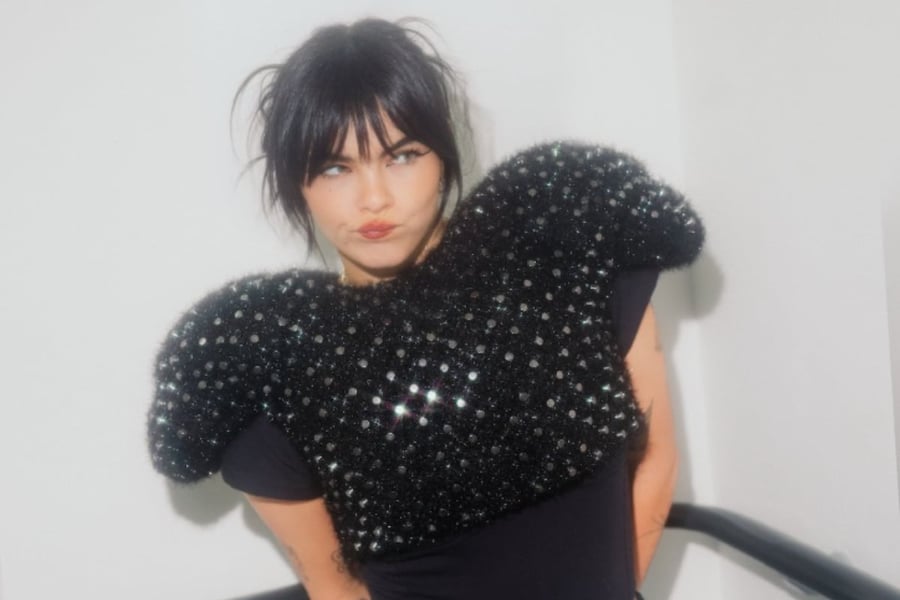
Kylie Minogue, ‘Padam Padam’ (2023)

Not many artists produce a career-defining song 16 albums deep into their catalogue.

With Kylie dropping “Padam Padam” just months before Troye Sivan dropped “Rush”, there’s no doubt the two Aussie artists owned the gay songs of the summer competition that year.

“Padam Padam” proves that Kylie just gets it, recalibrating her dance styles with every shift in club evolution. “Padam” serves slinky, sensual synth squelches over a clean, almost-marching beat and Moroder-esque bassline. The deep wonky “Padam” you hear in that first second is your call to the dancefloor — Kylie’s cut-through vocal ensures you never want to leave. —Andrew Mast
The Presets
20

The Presets, ‘My People’ (2007)

The Presets can be credited for helping bring electronic music to the Australian mainstream, and “My People” is one of their key songs.

The first single from 2008’s near-flawless album, Apocalypso, the opening drum beat of “My People” heralds a now-iconic anthem widely considered to be one of Australia’s best dance songs. “My People” spent over six straight months in the ARIA top 50, a simply ridiculous chart feat. —Neil Griffiths

Powderfinger

Ian Jennings*

19

Powderfinger, ‘My Happiness’ (2000)

When Powderfinger released “My Happiness”, they delivered a song that transcends genre and became an Australian cultural property.

This soaring, melancholic masterpiece — the lead single from their seminal album Odyssey Number Five — is an unforgettable anthem about the pain of a long-distance relationship and unwavering devotion on tour.

The song dominated the airwaves, won the ARIA for Single of the Year, and drove Odyssey Number Five to become one of the biggest-selling Australian albums of all time.

It remains the essential Australian singalong and the very definition of a modern rock classic. —Jade Kennedy

BENEE

Christina Bryson

18

BENEE ft. Gus Dapperton, ‘Supalonely’ (2019)

BENEE’s collaboration with Gus Dapperton broke the internet, and confirmed, if more proof was needed, that New Zealand had a pop artist destined for global superstardom just like Lorde.

One of the earliest TikTok sensations, BENEE’s breakout hit also made the top 40 on charts around the world, including in Australia, New Zealand, and the UK. Even without Dapperton’s guest turn, “Supalonely” would have been a monster of a hit. —Conor Lochrie

The Kid Laroi

Supplied

17

The Kid LAROI, ‘WITHOUT YOU’ (2020)

“WITHOUT YOU” is the song that put The Kid LAROI on the map, not only in Australia but globally.

Released in 2020 when he was just 17, the Sydney-raised rapper’s song about heartbreak was a worldwide hit, landing at No. 1 in Australia as well as hitting charts in the US, UK, and Europe. A 2021 remix by US star Miley Cyrus only boosted the song’s popularity and set LAROI up as one of Australia’s biggest musical exports. —Neil Griffiths

Eddy Current Suppression Ring

Supplied

16

Eddy Current Suppression Ring, ‘Wrapped Up’ (2008)

There’s a quote attributed to Brian Eno that goes like this: “The first Velvet Underground album only sold 30,000 copies, but everyone who bought one started a band.”

Here’s an altered Australian version of that statement: “The second Eddy Current Suppression Ring album never made the ARIA Albums Chart, but everyone who bought one started a band.”

That’s probably only a little hyperbolic. A little.

Eddy Current Suppression Ring have a reasonable claim to be the most influential Aussie rock band of this century (without even getting into lead guitarist Mikey Young’s eventual production work on so many great local albums), which is why they had to make the top 20 on our list.

Primary Colours didn’t make a dent on the ARIA Albums Chart but it did win the Australian Music Prize, which is altogether more prestigious. Their primal style of DIY guitar music wasn’t well-suited to commercial success, which is a good thing.

The band unleashed hook after hook after hook across 10 razor-sharp garage-rock anthems. It’s “Wrapped Up”, though, that is the best, if just by a small margin.

A magnetic, howled refrain and some buzzy guitar lines — that’s all a song really needs. If you listen to “Wrapped Up” and don’t want to immediately gather some mates and instruments to start making music, there’s something wrong with you. —Conor Lochrie

The Beths

Frances Carter

15

The Beths, ‘Expert in a Dying Field’ (2022)

Liz Stokes’s finest moment as a songwriter, which is saying something. The Beths’ primary songwriter has established herself as one of the best lyricists in indie music, and she reached world-class status on the Auckland band’s fourth and best album, Expert in a Dying Field (2022).

On the exhilarating title track, Stokes ponders the complexities of modern relationships, writing with her usual clarity. “And I can close the door on us / But the room still exists / And I know you’re in it,” she sings, unable to rid herself of the memories of a former flame out.

Behind Stokes, her bandmates are operating at the top of their game, particularly Jonathan Pearce and his superlative production. Power-pop has never sounded this good. —Conor Lochrie

Missy Higgins

Tajette O'Halloran

14

Missy Higgins, ‘Scar’ (2004)

Missy Higgins’ beloved debut album, The Sound of White, is littered with some of the ARIA Hall of Famer’s biggest hits, but lead single “Scar” still holds up as the fan favourite even today.

The song landed at No. 1 in Australia and also charted in New Zealand and the US. Its staying power was exemplified in 2025 when it came in at No. 4 on the Triple j Hottest 100 of Australian Songs. —Neil Griffiths

Amyl and the Sniffers

Supplied

13

Amyl and the Sniffers, ‘U Should Not Be Doing That’ (2024)

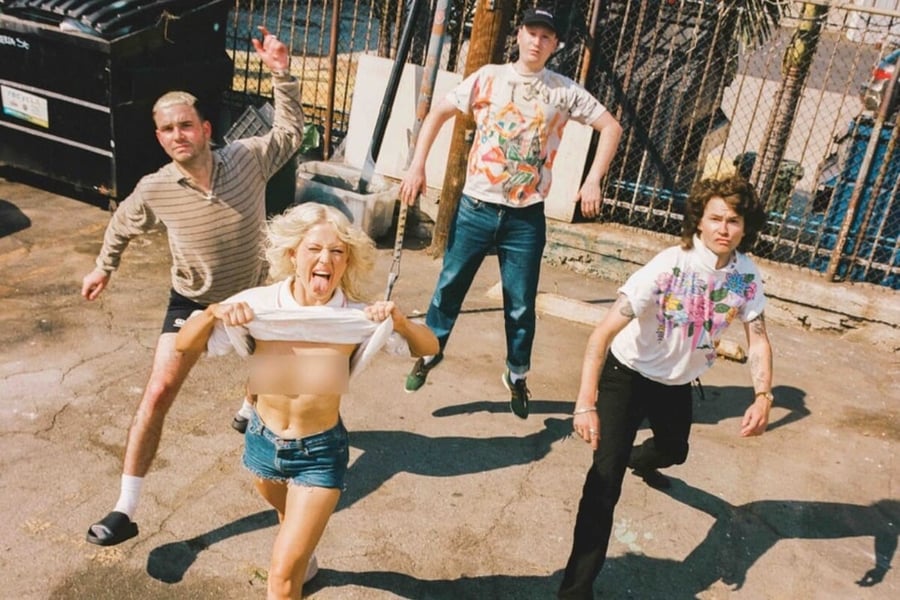
Amyl and the Sniffers just keep getting better with age. “U Should Not Be Doing That” is the Melbourne punks at the peak of their powers, particularly the ferocious Amy Taylor, leading from the front with personality as always.

“U Should Not Be Doing That” finds Taylor mocking the “bitchy high school way that the music community still is…” Typical of the person who proclaimed themself to be the new Australian Prime Minister at this year’s ARIA Awards, the messaging of this song is classic Taylor and Amyl: always express yourself as you please, naysayers be damned.

Their reward for speaking their mind was nominations across the board, including for Best Single at the 2025 Rolling Stone Australia Awards. —Conor Lochrie

Tame Impala

Mairo Cinquetti/SOPA Images/LightRocket/Getty Images

12

Tame Impala, ‘Let It Happen’ (2015)

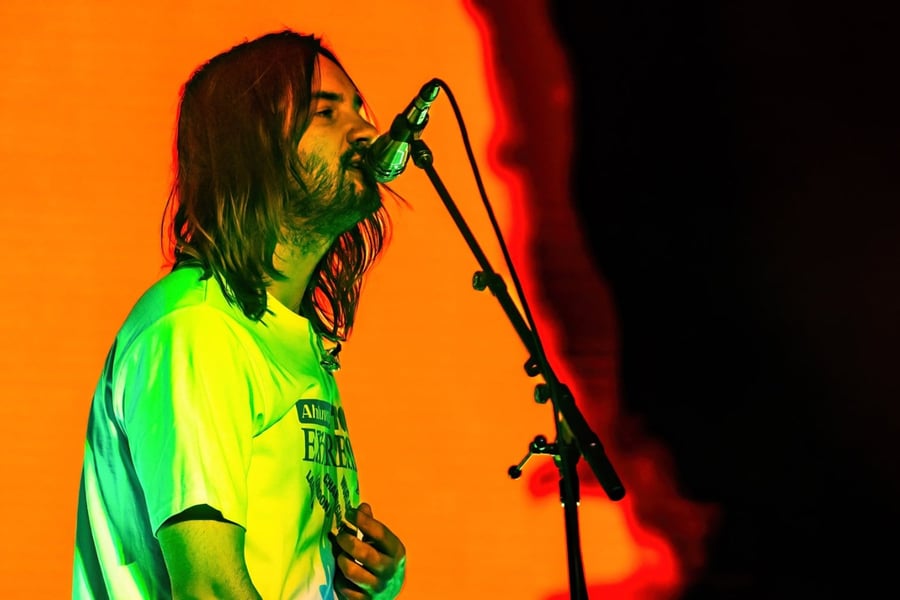
The first single from Tame Impala’s third album Currents signalled a shift in sound, one that let everyone know that Tame Impala was Kevin Parker, not a band. (It always was Parker’s project, of course, but it took media a while to get the hint.)

In a move away from the psych-rock of his earlier albums, this was the moment that Parker opened up his sound to a more meditative synth-pop style conjured up in his home studio.

The result? Parker blew up globally as he led a vanguard of indie artists embracing their inner pop. With his production chops at the forefront, he seemingly sang about the change he was going through musically: “I can’t fight it much longer / Something’s trying to get out.” —Andrew Mast

Scribe

John Ross

11

Scribe ft. Con-Psy & Savage, ‘Not Many — The Remix!’ (2003)

First, a provocation: New Zealand had to have the highest-placing hip-hop song on our list. Australian hip-hop has a long way to go to catch up.

And the highest-charting song just had to be “Not Many”. Scribe’s song was already great before Con-Psy and Savage jumped on the remix, and then it got a whole lot better. Three Kiwi music greats trading bars — a classic was born.

There can’t be many, if any, young Kiwi rappers who haven’t been influenced by Scribe, “Not Many”, and The Crusader. Even listening to the remix now, it gets you amped up; little wonder that MMA fighters like to use it as their entrance theme song.

—Conor Lochrie

The Veronicas

Supplied

10

The Veronicas, ‘Untouched’ (2007)

It was a hit then and it remains one of Australia’s biggest hits now, so much so that younger fans consider it the country’s unofficial national anthem.

Released locally as the second single from their 2007 LP, Hook Me Up, “Untouched” reached No. 2 on the Australian charts and broke the US charts to land at No. 17, their biggest song in the country to date.

“Untouched” was introduced to a whole new audience in 2019 when the duo joined local rapper Allday on stage at Splendour in the Grass to perform the electropop song.

From there, “Untouched” went viral all over again. As well as landing with younger audiences on TikTok, the single went back to the top spot on the Australian iTunes chart in 2024, was featured in the hugely successful 2025 horror film, Bring Her Back, and it ranked at No. 3 on triple j’s Hottest 100 of Australian Songs. Maybe there is a case for it being the Australian anthem after all? —Neil Griffiths

The Temper Trap

Alberto Zimmerman

9

The Temper Trap, ‘Sweet Disposition’ (2008)

The Temper Trap returned this year with their first taste of new music in nine years, but there is one song that has kept them comfortably in the conversation as one of Australia’s most important 21st century bands.

The lead single from their 2009-released debut album, Conditions, “Sweet Disposition” actually enjoyed a more successful introduction overseas, cracking the top 10 in the UK, Ireland and Belgium, while only peaking at No. 14 in Australia.

Believe it or not, it also only landed at No. 102 on the Hottest 100 of 2008. It did, however, pick up an ARIA Award nomination for Single of the Year in 2008 and scored Most Popular Australian Single the following year, but its impact only grew stronger over time.

It garnered US attention after being featured in the 2009 romcom classic, (500) Days of Summer, and was used in a number of advertisements all around the world.

Despite that slow start all those years ago, it now boasts over 1 billion streams, over 80 million views on YouTube, and in recent years has been used in over 100,000 TikTok videos. —Neil Griffiths

RÜFÜS DU SOL

Boaz Kroon

8

RÜFÜS DU SOL, ‘Innerbloom’ (2015)

“If you want me / If you need me / I’m yours.” Even with a near 10-minute run time, “Innerbloom”, as evidenced by their recent Australia and New Zealand tour, is the song RÜFÜS DU SOL fans hold most dear. As well as being one of Australia’s best dance songs, it undoubtedly sits amongst the country’s best songs, period.

Released as the third single from the Sydney trio’s 2015 third album, Bloom, frontman Tyrone Lindqvist called “Innerbloom” their most personal song they’d ever written, which could explain why it’s such a special song for fans. But it’s the blend of electronic, techno, synth, and deep house with Lindqvist’s mesmorising vocals that draw you in. 

“Innerbloom” didn’t smash local charts upon its debut, but its slow burn over the years has seen it land at No. 5 on triple’s Hottest 100 of the Decade in 2020 and No. 16 on the recent Hottest 100 of Australian Songs.

“We had a lot of chats with the label [and] radio people about how putting out a 9-minute song isn’t the usual done thing,” RÜFÜS DU SOL’s Jon George said in a recent interview. “But we stuck to our guns and we were very sure we didn’t want to change the arrangement. It needed to be a slow burn. I remember the first time we played it live, before it had been released, and seeing people cry as we were finishing playing the song.

“It was very special, to know that it had that sort of impact and its continued to have that impact, up until this day. We played it a couple nights ago, seeing people cry again as we finished that song. It’s a special song, it’s something very, very close to our hearts now.” —Neil Griffiths

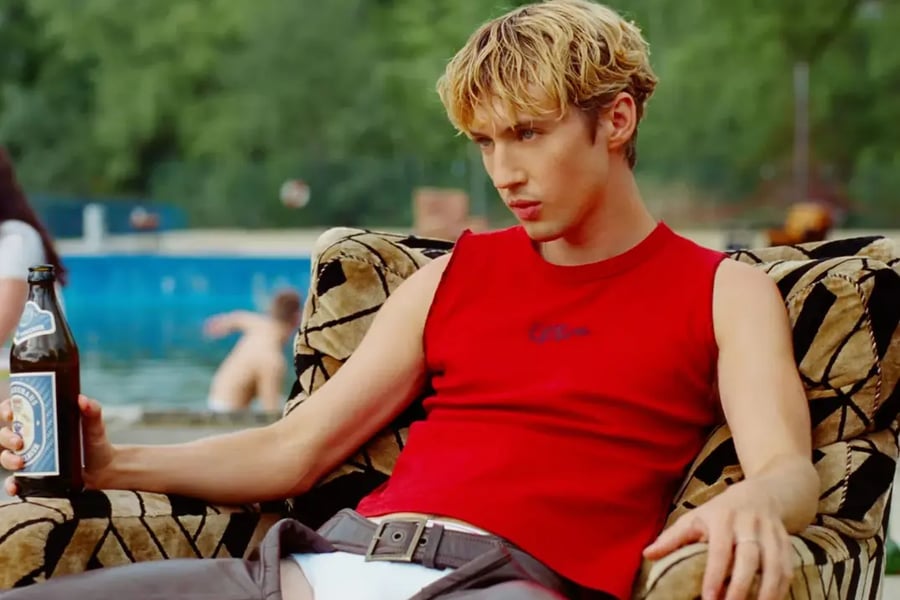
Troye Sivan Rush
7

Troye Sivan, ‘Rush’ (2023)

Anyone who has ever experienced a whiff of poppers on a rammed dancefloor knows exactly what “Rush” is about.

The opening beats mirror that expectant pulse rate increase, Troye Sivan’s breathy vocals mirroring the growing light-headedness building up to the explosive chorus where you become king and/or queen of the dancefloor — an untouchable, mass of raw, sensual joy.

Not since Stardust’s 1998 “Music Sounds Better with You” has a song so precisely captured the mood of a particular club/drug era (everyone back then knew exactly what it was that made the music sounded better).

“Rush” became a northern hemisphere summer anthem, its gay hedonism defiant in the face of a puritanical anti-LGBTQI undercurrent in the US political landscape.

In the southern hemisphere it became that rare beast of the streaming era, a local charting single — it’s one of six top 20 hits Sivan has scored in his home country.

“Rush” was the lead single from his third studio album Something to Give Each Other, which went on to become his first No. 1 album in Australia.

The song also dominated social media.

On TikTok, it inspired dance routines, started the #Rush Challenge, and soundtracked millions of lifestyle, fashion, and party clips. Six months after its release, Sivan-mania reached US network TV when SNL featured impersonations of Sivan by A-list film star Timothee Chalamet and boygenius musicians Phoebe Bridgers, Julien Baker, and Lucy Dacus.

With the wide reach “Rush” attained, it cannot be over-stated how important a role Sivan has played in bringing LGBTQI-issues into the conversation of pop culture. He has joined the likes of global stars such as Lil Nas X, Chappell Roan, and Kim Petras as a genuine household name. He’s been part of the biggest shift of queer music into the mainstream since the ‘80s charts boasted the likes of Bronski Beat, kd lang, Soft Cell, and Frankie Goes to Hollywood.

An accompanying video for “Rush” celebrated Sivan’s embrace of gay-clubbing hedonism: writhing bodies, drinking, smoking, flashes of jockstraps, and lots of bare arse.

It wasn’t without controversy, however, as the clip took a couple of hits for its lack of body diversity on display. Sivan didn’t shy away from the backlash and, in addressing it, sparked a conversation about his own insecurities with body image.

In the two and a half years since it first appeared, “Rush” has amassed 52 million views on YouTube and 500 million streams on Spotify. Sivan invited us to feel the rush of this throwback house rhythm infused with a thumping kick and crisp beats. We RSVP’d as a swaying sweaty mass. —Andrew Mast
The Avalanches
6

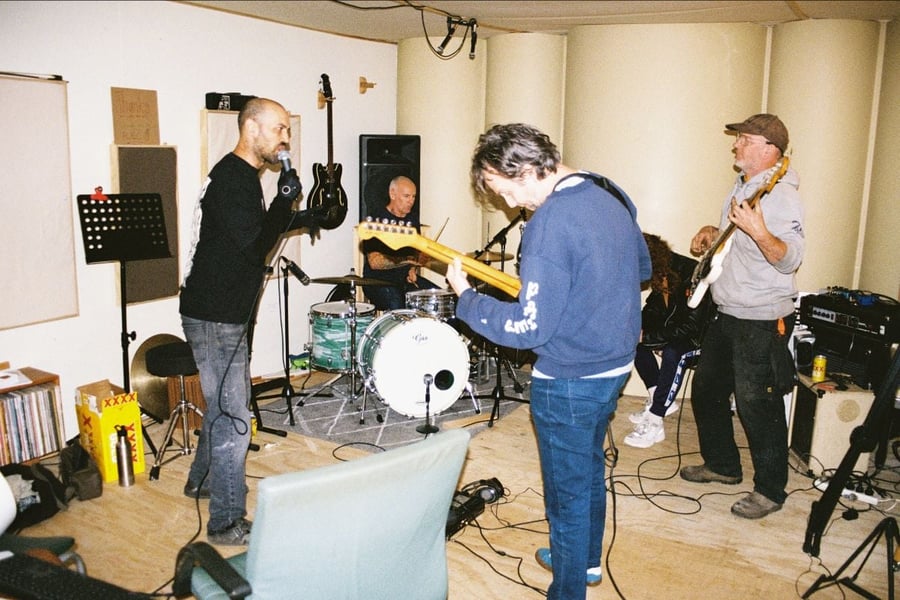
The Avalanches, ‘Since I Left You’ (2001)

The word “seminal” is overused in music, but it certainly applies in the case of The Avalanches’ debut album.

The headline of our recent retrospective on Since I Left You sums it up: “Nothing in the world sounded like The Avalanches’ Since I Left You. 25 years later, nothing still does.”

“The improbable result of lightning-in-a-bottle sonic alchemy achieved despite the technological limitations of the day, it’s a miracle of a record that stitches together somewhere in the vicinity of 3,500 samples into a cohesive, deeply satisfying body of work,” we wrote in the feature.

Like the rest of the album surrounding it, the title track relies on obscure samples that no other group would have thought to use. Because that’s the sense you get from listening to The Avalanches: these are real music lovers. Deep music lovers.

A genuine game-changing song and album. —Conor Lochrie

Courtney Barnett

Mia Mala McDonald

5

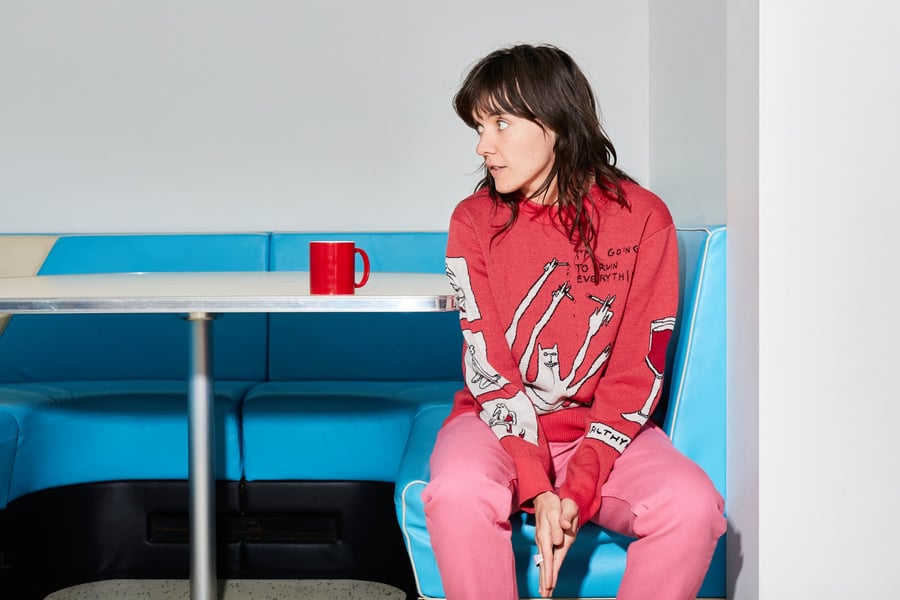
Courtney Barnett, ‘Depreston’ (2015)

There’s a popular social media activist in Australia who goes by the name of Purple Pingers. He’s concerned, gravely concerned, with the country’s housing crisis. He spends his days blasting the government for its failures on this front, calling out rogue landlords for despicable behaviour and poor rental conditions. Purple Pingers does good work, in other words, in what are increasingly troubling times to be a young adult trying to find a suitable home.

Exactly a decade ago, Courtney Barnett saw this coming.

After building her reputation thanks to wry, observational indie rock songs like “Avant Gardner” (also on our list) and “History Eraser”, she sounded much more sombre than usual in 2015 on “Depreston”.

The song finds Barnett at her most personal and pensive, using the Melbourne suburb of Preston to consider the plight of so many of her fellow young Australians facing up to rampant gentrification and exorbitant rental prices.

“You said we should look out further / I guess it wouldn’t hurt us,” she sings at the beginning of the downtempo number. “We don’t have to be around all these coffee shops.” 

Once she’s inside a house for what turns into a grim viewing, her naturalistic songwriting comes to the fore. She notices a “collection of those canisters for coffee, tea and flower” and “a photo of a young man in a van in Vietnam.” 

It’s all brutally existential. Barnett’s story is one familiar to any millennial who’s tried to find a new house in one of the big Australasian cities: you know you’re entering working-class neighbourhoods that won’t be working-class for much longer; you know you’re creeping in the rooms and hallways of a family now priced out of their home.

“Depreston” is the dismal anthem for a generation of Australians who know they’ll never be able to buy their own home. At least we’ll always have Barnett’s empathic songs to play. —Conor Lochrie

Gotye and Kimbra

YouTube

4

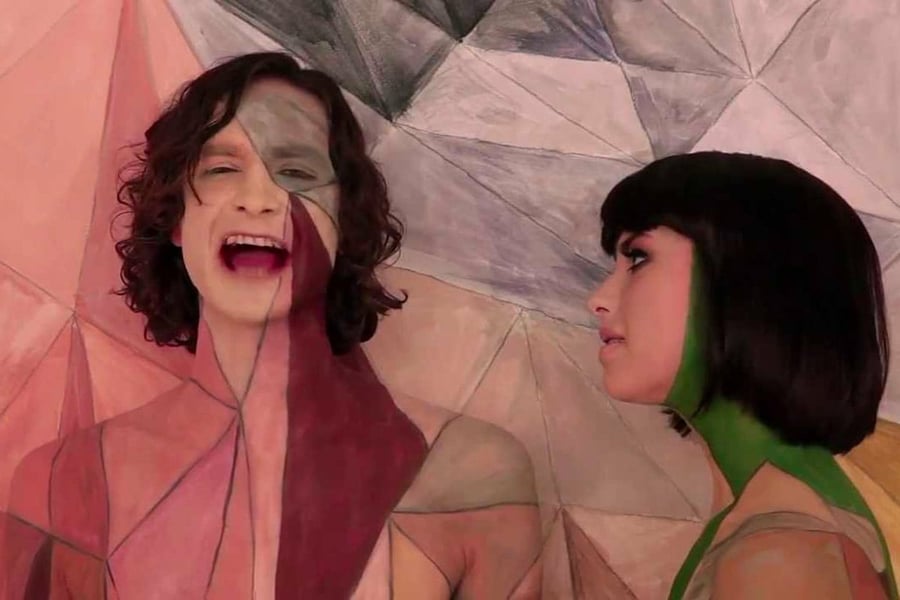
Gotye ft. Kimbra, ‘Somebody That I Used to Know’ (2011)

Released as the second single from his third studio album, 2011’s Making Mirrors, “Somebody That I Used to Know” remains Gotye’s biggest hit to date.

After it dropped in July 2011, the song was so big that it ensured the ensuing Hottest 100 countdown would have one of its most predictable No. 1 songs ever. 

Featuring New Zealand’s Kimbra, “Somebody That I Used to Know” was written at Gotye’s parents’ house in Victoria and drew on the Melbourne songwriter’s past relationships. It could make the case to be the most heartbreaking song led simply by a two-note guitar sample and xylophone.

It quickly hit No.1 in Australia and New Zealand and eventually made its way through the UK, US, and Europe. It went on to win a slew of Australian and international awards, including the ARIAs for Song of the Year and Best Video as well as the Grammy Awards for Record of the Year and Best Pop Duo/Group Performance. Gotye and Kimbra also scored the ARIA Awards for Best Male Artist and Best Female Artist, respectively.

The song was so dominant globally that it began scoring more airplay than Gotye’s more commercially-friendly pop hits. “It’s so soft by comparison,” Gotye told Rolling Stone in 2012. “But maybe that’s a good thing, because you need to turn it up. A lot of compressed, superloud radio formats, you’re not engaging at all. You’re just hearing the glittery end of high-hats and bullshit.” —Neil Griffiths

Empire of the Sun Walking on a Dream
3

Empire of the Sun, ‘Walking on a Dream’ (2008)

It’s the song that keeps on giving. A now-undeniable Australian anthem, released in August 2008 as the lead single from their debut album of the same name, “Walking on a Dream” proved to Australia and the world that the newly-formed duo of The Sleepy Jackson’s Luke Steele and PNAU’s Nick Littlemore weren’t going to be a quick side project.

Though they had been working together for a few years on other projects, and were hugely successful in their own lanes, “Walking on a Dream” was an early taste of what Empire of the Sun would become: a dazzling blend of synth, dance, electro, pop, and rock all rolled into one.

After a successful debut on local charts, the song went on to win Single of the Year at the 2009 ARIA Awards, but that was just the beginning.

“Walking on a Dream” featured in Hollywood films and video games in the following years, and was even sampled by rapper Wiz Khalifa. In 2016, after being used in a Honda Civic ad in US, it was given a new life. Seven years after its release, “Walking on a Dream” cracked the US charts which led to a live performance of the song on Ellen.

The staying power of the song has only been stamped by countless club remixes including Swedish House Mafia’s Axwell this year, who said the song has “always been special to me,” while a re-recording of the track for Tourism WA even scored a 2023 ARIA nomination.

Today, “Walking on a Dream” has surpassed one billion streams. “There was tremendous pressure after ‘Walking on a Dream’, because it sold millions. It was like trying to grip lava,” Littlemore told Rolling Stone AU/NZ in a 2024 interview. “You just couldn’t hold to the power that was going on.” —Neil Griffiths

Kylie Minogue Can't Get You of My Head
2

Kylie Minogue, ‘Can’t Get You Out of My Head’ (2001)

Two years into a new millennium and Kylie Minogue was on a tear.

Her 2000 album Light Years garnered five back-to-back hits, her biggest chart streak since the early ‘90s. And then came “Can’t Get You Out of My Head’ — a message from a dancefloor of the future, another hit in a streak that would eventually stretch across most of the decade, when “Wow” became her sixteenth Australian top 20 hit in a row in 2008.

As the first single from 2001’s Fever set, it signalled yet another shift in Kylie’s musical direction. Here she was serving sharpened club beats that wouldn’t have sounded out of place in a German electro cut from the ’80s, a style so ahead of its time it still seems futuristic now.

Co-penned and co-produced by former pop stars Cathy Dennis (her club credentials include 1989 house hit “C’mon and Get My Love”) and Rob Davis (his glam band Mud dominated the UK charts in the ‘70s), the single was never going to miss.

It’s hard to believe “Can’t Get You Out of My Head” was pitched to other artists first because it sounds tailor-made for Kylie. The song’s production tapped perfectly into Kylie’s signature vocal slink and gifted her the most memorable set of “la-la-la’s” of the century.

Dennis and Davis’ glorious mix of bleeping synths, hypnotic bass, and synthetic strings is a masterpiece of less-is-more production, and it led to a wider-than-usual appeal for Kylie’s music.

The song was not only at home on commercial radio but also slipped into hip techno sets. “Can’t Get You Out of My Head” flew to number one around the world — it was even the top song of 2001 in some territories such as Italy, Austria, and Switzerland — and remains her most streamed song to date with over 800 million listens on Spotify and over 600 million views on YouTube.

It also gave Kylie her first breakout hit in the US since “The Loco-Motion”. Although she was always popular in Stateside gay clubs, “Can’t Get You OutoOf My Head” landed the artist her first-ever No. 1 spot on the highly respected and influential US Billboard Dance Club Songs Chart. It was the first of fourteen number ones she would go on to achieve on that chart, a run which saw her eventually tie in tenth place for that chart’s record for most number ones.

The song took on a second life as mash-up tracks began to dominate DJ sets and “Can’t Get You Out of My Head” was spliced together with New Order’s “Blue Monday” (by producer Stuart Crichton), and Kylie’s performance of the mash-up at the 2002 Brit Awards was hailed by The Guardian as one of the Top 50 Key Events in Dance Music History.

The song continues to influence new generations of artists, having been covered by Amy Shark, Peking Duk, Jude York, Parcels, and more. Dua Lipa even performed the song when her recent Australian tour hit Melbourne. —Andrew Mast
Lorde Royals
1

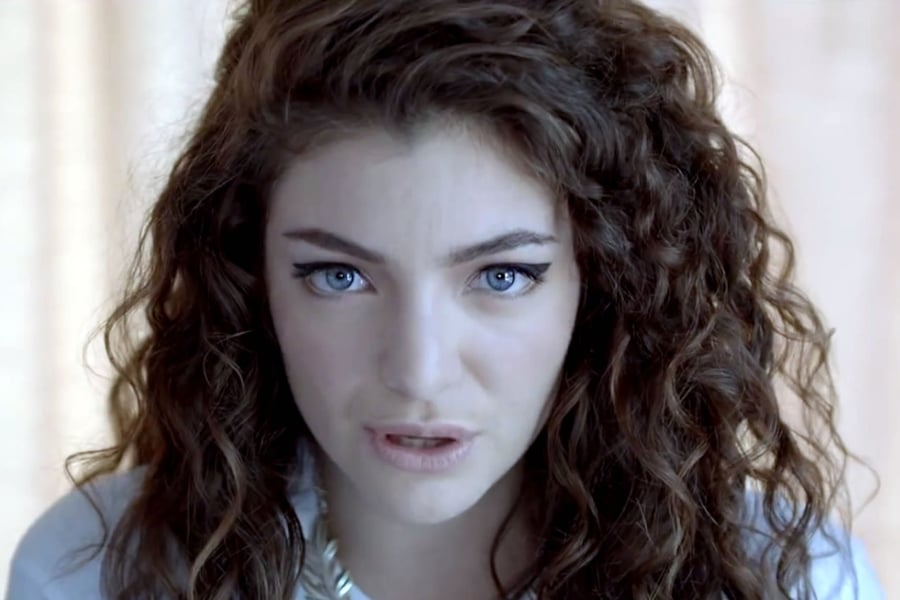
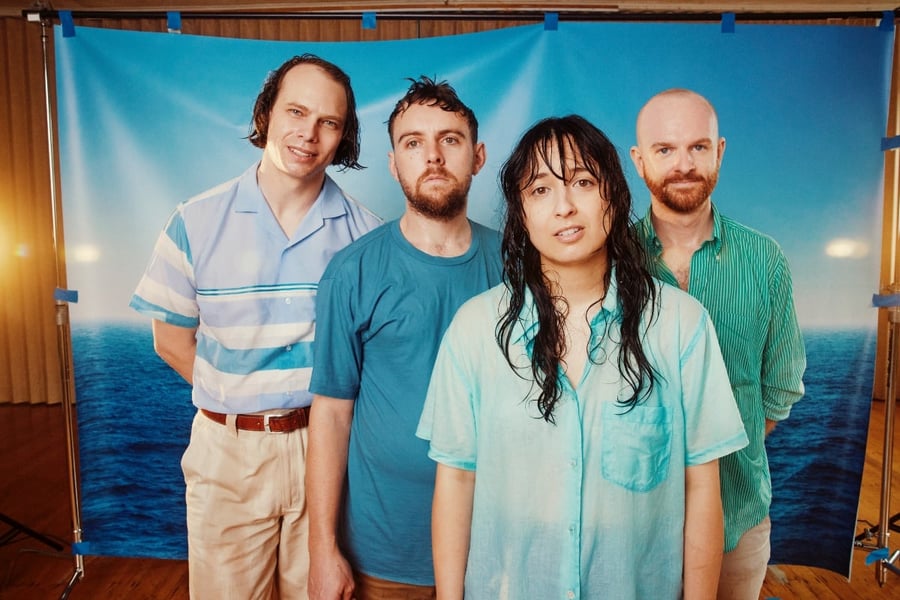
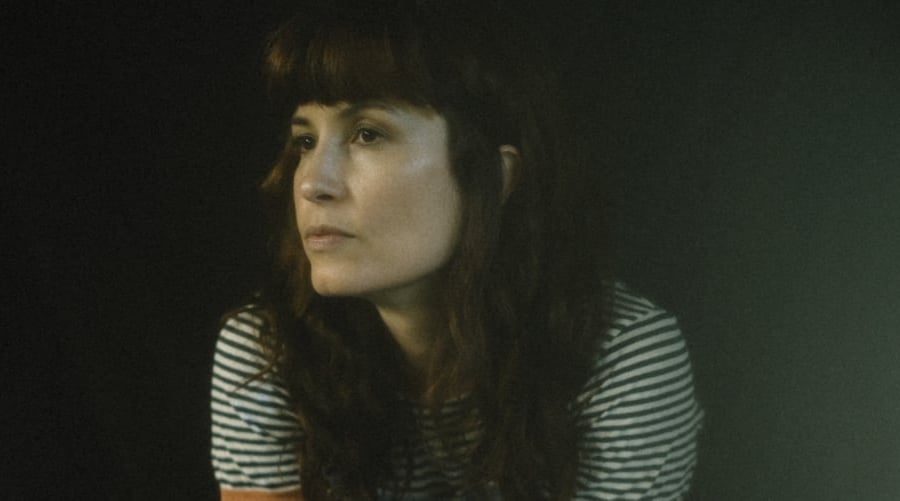
Lorde, ‘Royals’ (2013)

A zeitgeist-grabbing, history-making song from a new pop superstar.

It’s still astounding that “Royals” was Lorde’s debut single, released when she was just 16 years old. In a matter of weeks and months, the song became a phenomenon, seemingly born out of nowhere. Where did this preternaturally gifted artist come from? How did she write a song this mature at such a young age?

It’s always tempting to attach mythic qualities to a story like this, but Lorde was both an overnight sensation and not.

A Universal A&R rep spotted the talent of Ella Marija Lani Yelich-O’Connor when she was just 12, and she signed a development deal with the label when she was 13. Her team spent a while trying to pair her up with different songwriters and producers, to no avail.

There was no connection to be found, until Lorde met Joel Little.

The former Goodnight Nurse frontman was just starting out in his production career (a career that’s since soared) when he met Lorde, and the Kiwi pair clicked immediately. Instead of trying to imprint his own style and vision onto Lorde, Little recognised her songwriting ability — she’d been writing lyrics consistently since she was 13, after all.

One of the first songs they created together was “Royals”, which took its name from a photo Lorde seen of George Brett signing baseballs in the ’70s. “He was a baseball player, and his shirt said ‘Royals.’… It was just that word. It’s really cool,” she said.

“Royals” isn’t about baseball or Brett, of course. The song offers a critique of materialistic lifestyles, Lorde musing on the dangers of conspicuous consumption. She ridicules the luxury items beloved by pop and hip-hop stars of the day: “But everybody’s like / Cristal, Maybach, diamonds on your timepiece / Jet planes, islands, tigers on a gold leash,” she sings. An admonishment follows. “We don’t care / We aren’t caught up in your love affair.” 

How minimal the sound is, instantly standing out in an era of bombastic production and sonic excess. Lorde and Little pare everything back, relying on simple synth stabs and timid drum beats, leaving plentiful empty space for finger snaps and the former’s breathy vocals. Even when Lorde’s voice rises in volume in the chorus, the instrumentation barely rises with it; when it comes to pop music, the pair realised, less truly could be more.

As a result of this minimalism, “Royals” doesn’t transfix a listener upon first listen. Its full effects are felt afterwards, on the second or third or even fourth listen, its pointed lyrics and unprecedented production lingering in the mind.

It’s important to remember Lorde’s age when listening to “Royals”. The song’s observations are earnest and messy, a little pointed without being all that pointed. They are diaristic thoughts from an evolving young mind, waking up to the world around them. If Lorde sounds in danger of romanticising the very things she purports to be against, that’s because she’s a girl in her mid-teens; it comes with the territory.

“Royals” obviously topped the charts in New Zealand, but it spent an impressive nine weeks atop the US Billboard Hot 100.  The song won big at the 2024 Grammy Awards, winning Song of the Year and Best Pop Solo Performance; the Silver Scroll Award win in her home country was an inevitability; it also won Single of the Year at the 2013 New Zealand Music Awards. Most publications, including Rolling Stone, featured the song high up on their year-end lists in 2013, while it also made it to No. 2 on triple j’s Hottest 100 of 2012, only edged out by Vance Joy’s ubiquitous “Riptide”.

“Royals” catapulted this Auckland teenager to stardom, and she’s spent the past decade-and-a-bit attempting to deal with her growing fame. She’s always been the most reluctant of pop stars, evading the public spotlight when she can. One wonders what she thinks of her own debut song now — how prescient her own words must sound to her.
Lorde fans can debate her best song long into the night — one could make a strong pitch for “Ribs” or “Green Light”, which feature further back in our list, to take out the top spot — but “Royals”, for its unexpectedness and subsequent influence, is the only one that deserves the number one position. No other song can claim to have changed the landscape of pop music. —Conor Lochrie