

























Home Music Music Lists

The 50 Best New Zealand Albums of 2025

Our ranking of the best New Zealand albums of 2025, featuring Lorde, BENEE, The Beths, Kaylee Bell, and more

Photo collage featuring New Zealand music acts

It’s been a banner year for New Zealand music.

Our editorial team spent longer than usual debating our favourite local albums of 2025, such was the incredible output of Kiwi acts.

We eventually settled on a top 50, though the order changed multiple times and could have changed some more.

Some of the country’s biggest names returned with revelatory albums, from Lorde to The Beths. New acts emerged with career-best records, particularly a cohort of exciting rock bands based down in Dunedin.

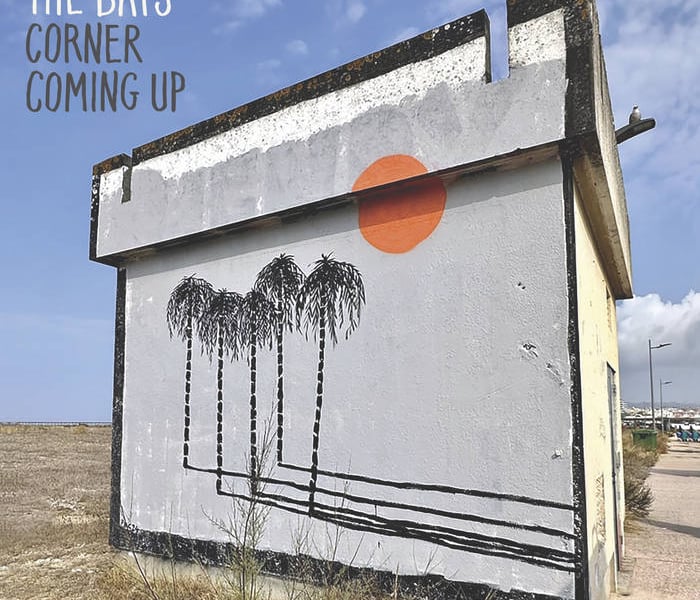
Some legends kept on going, such as The Bats with their excellent 11th album, while Scribe said goodbye to music with a stunning final collection.

Almost half of our top 10 is Māori acts, which feels notable.

At the end of 2024, the Hīkoi mō te Tiriti took over our country’s streets for one of New Zealand’s biggest-ever protest movements. The march united Kiwis of all different backgrounds against the current government’s regressive policies affecting Māori.

Love Music?

Get your daily dose of everything happening in Australian/New Zealand music and globally.

This year has seen Māori musicians respond in song — some in optimistic celebration of their identity, others unleashing their fury at the people attempting to infringe upon their rights.

Check out our top 50 Aotearoa albums of the year below. —Conor Lochrie

All blurbs written by Conor Lochrie
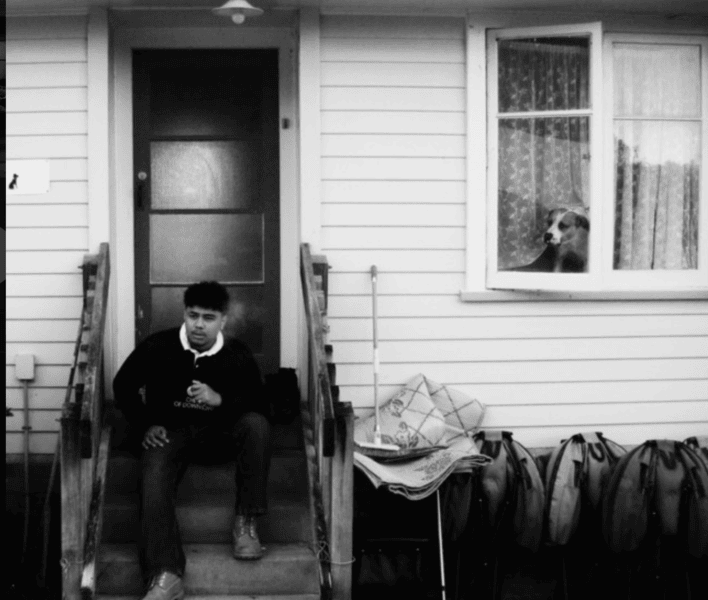
Geneva AM Pikipiki
4

Geneva AM, ‘Pikipiki’

The dancefloor is calling you, thanks to Geneva AM.
Geneva Alexander-Marsters is the producer and vocalist behind Geneva AM, who believes in the power of music.

“For Pikipiki I wanted to be in a healing space and sometimes that means seeking community, manifesting joy, creating space for renewal – you don’t have to do that alone… I feel like I’ve been crafting some kind of positive force field that I’m about to throw over everyone,” she told Under the Radar.

Her debut album as Geneva AM, Pikipiki, is one way to go about achieving that. Pikipiki is a joyous and uplifting celebration of Alexander-Marsters’ Māori identity; even when it’s dealing with thorny issues, as in “Urban Planning”, you can’t help but tap your feet.

What Pikipiki achieves recalls MOKOTRON’s dazzling work on his Taite Music Prize-winning 2024 album, WEAREA: Alexander-Marsters bends classic genres — chiefly disco and dance — to her own will, reframing and rejuvenating them, utilising them to explore and honour her heritage.

And there might not be a better song than “Urban Planning” in all of New Zealand music this year.

“The motorway was an awa [river] / In the museum they put my waka/ I feel at home in the city / I got my Tipuna [ancestors] with me,” Alexander-Marsters sombrely ponders, all while the most enticing electronic rhythm chugs along; nobody said that the best dance music couldn’t be contemplative.

The most wonderful individual moment, though, comes during “Meet Again”, when Alexander-Marsters gets meta.

“Everybody on the dancefloor is famous… and they’re just really going for it, you know?” she says matter-of-factly, out of nowhere, breaking the spell of her own vibrant composition. Listen to Pikipiki and you’ll find yourself just “going for it” too.

Start getting your Taite Music Prize outfit ready, Alexander-Marsters.

Theia Girl, in a Savage World album cover
3

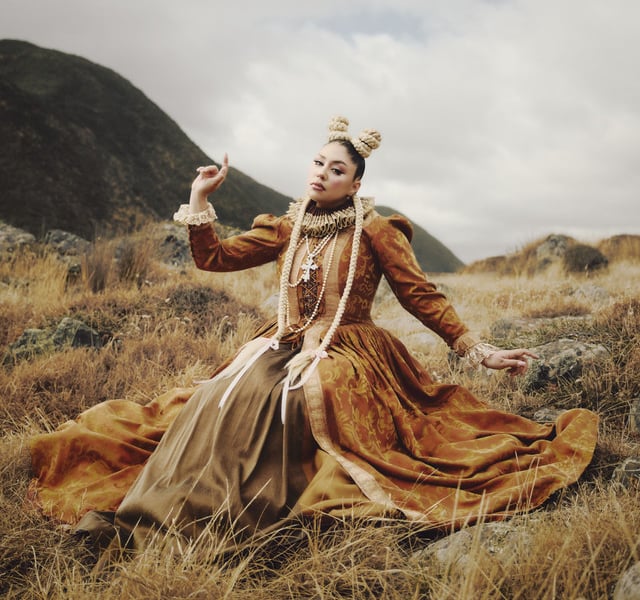
Theia, ‘Girl, in a Savage World’

To say that Theia’s debut album was highly anticipated would be an understatement.

An alt-pop star of note for almost a decade, Theia waited so long to release her first full-length for an important reason: if she’d rushed into her debut while still being on a major label, it would be have been a much poorer record.

Theia went independent around the turn of the 2020s, surrounding herself with a “beautiful female team” who had her best interests at heart. A venture into te reo Māori as TE KAAHU then strengthened her belief in her own art.

The result is Girl, in a Savage World, one of the most overtly political albums in recent New Zealand music. “I’m so proud that I trusted my gut and my vision, because I know it was a wacky freaking vibe!” she told us.

It feels like fate that Theia’s album arrived at this particular moment, with New Zealand’s current conservative government attempting to push back on Māori rights.

Now based in Los Angeles, where she’s found a supportive community of fellow Indigenous people, she had to watch from afar as events like last year’s Hīkoi mō Te Tiriti happened in her homeland.

“I just threw everything away and started afresh when that new government came into power, and [I] was just filled with fury and passion,” she said.

Befitting the incendiary lyrics, the former alt-pop artist has turned punk on Girl, in a Savage World. “My country, she burns, it’s a holy war / We cannot return where we were before / Let us look above to the parting skies / Look upon the face of our Jesus Christ,” she sings in “Holy War”. “You wield your guns, you shot our sons / You made us rot in all you’ve done / Cut down our trees, brought your disease / You will not bring us to our knees,” she sings in “Hoki Whenua Mai (Return the Land)”. The time to speak one’s mind, Theia shows on her debut, is now.

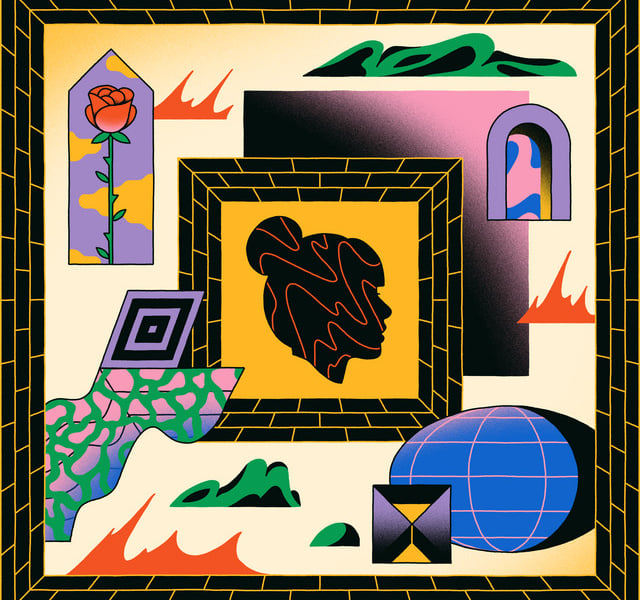
Dick Move Dream, Believe, Achieve album cover
2

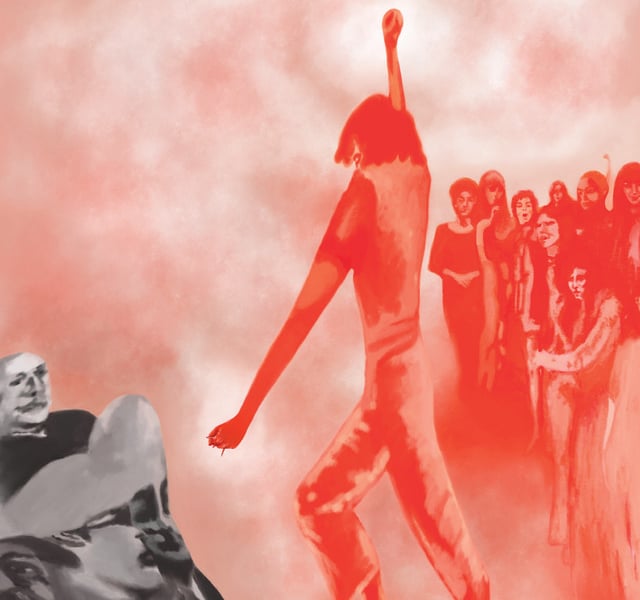
Dick Move, ‘Dream, Believe, Achieve’

Dick Move make pure punk music, no post or art or proto prefixes in sight.

The Auckland band have never sounded as angry or righteous as they do on new album Dream, Believe, Achieve — quite right, too, considering the current state of New Zealand government.

In a blistering sub-30 minutes, Dick Move, led from the front by the impassioned Lucy Suttor, take on toxic men, capitalist politics, and patriarchal systems with lacerating honesty.

Proper punks have always been defined by a fearless determination to speak truth to power, and Dick Move’s five members — Suttor alongside Lucy Macrae, Hariet Ellis, Justin Rendell, and Luke Boyes — take pride in their anti-authoritarianism on their latest record.

But don’t let the heavy subject matter fool you: as Suttor recently told us, Dream, Believe, Achieve is a hopeful album, the work of musicians and people who believe in the power of community to overcome systematic injustices. Up the nurses, up Dick Move!

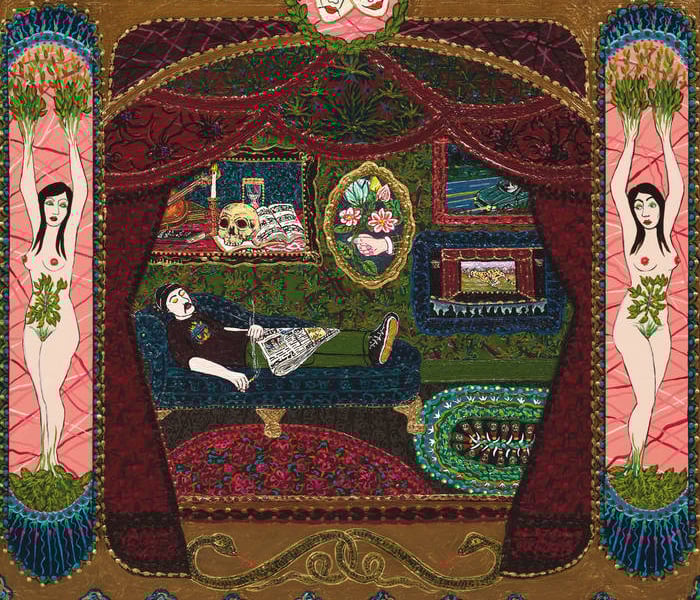
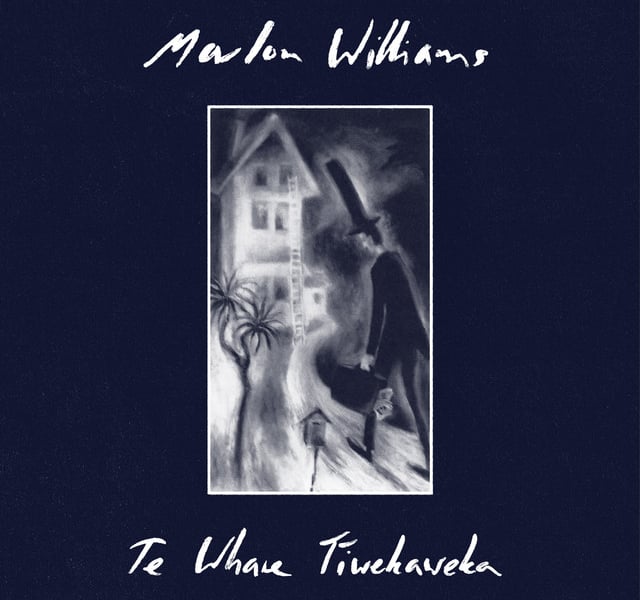
Marlon Williams Te Whare Tīwekaweka album cover
1

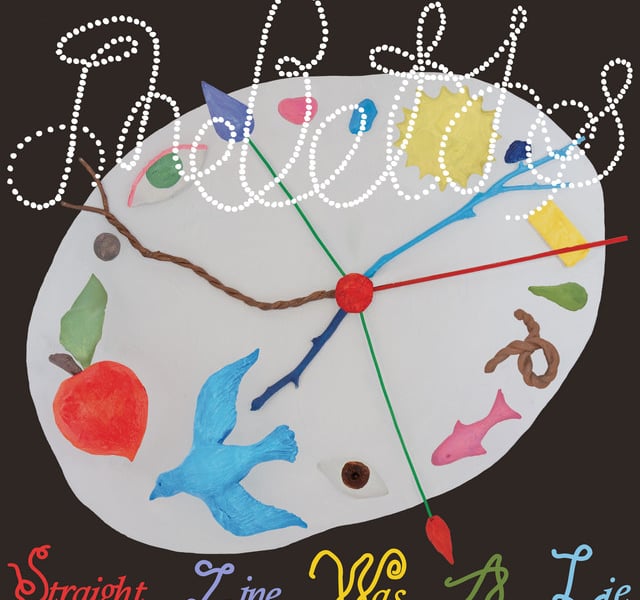
Marlon Williams, ‘Te Whare Tīwekaweka’

Where to begin with Marlon Williams’ profoundly personal fourth album? Perhaps with the opening line in our review:

“Te Whare Tīwekaweka is the album we’ve all been waiting for from Marlon Williams — a stunning ode to love, life, and connection, sung entirely in te reo Māori.”

As captured in an accompanying documentary, this album meant more to Williams than any record that came before — “Williams, as you’ve never heard him before,” the headline to our print interview with him read.

Williams could have taken the easy route after the success of 2022’s chart-topping My Boy, but Te Whare Tīwekaweka represented the more ambitious and meaningful path forward.

How it paid off: Williams’ first album of original songs written and performed entirely in te reo Māori is a wonderful example of celebrating one’s heritage.

From the opening notes of “E Maweha Ana Au” onwards, Williams invites the listener on his journey of self-discovery.

Because this album may be intensely personal but it’s also for everyone; Williams didn’t hole up in a recording studio himself, after all, instead working closely with his band, the Yarra Benders, and Lyttelton artist KOMMI.

You can hear Williams’ connection to the material with every te reo lyric, the sense of a higher purpose being channelled through his art.

“His voice packs a velvet punch, rolling over breezy country-bluegrass strums and simple, pop-tinged melodies. Williams’ album is indebted to the late Hirini Melbourne’s minimalist style. Add the rich choral harmonies of He Waka Kōtuia, and these waiata hit deep — like a warm embrace that calls you home to te ao Māori,” our review continued.

“The title, which translates to ‘A Messy House’, sums up the creative chaos perfectly — it’s where Māori and non-Māori voices come together to craft something fresh…. Te Whare Tīwekaweka is a celebration of Māori culture, but it’s also for anyone looking to reflect, heal, and feel.”

Te Whare Tīwekaweka is a modern Aotearoa classic, and a reminder to always follow your spirit.